Scientists develop method to turn plastic waste into hydrogen fuel
Scientists have introduced a process to turn plastic waste into clean fuel by transforming mixed, unsorted plastic waste directly into high-purity hydrogen fuel while storing carbon.
Intelligence analysis by Llama
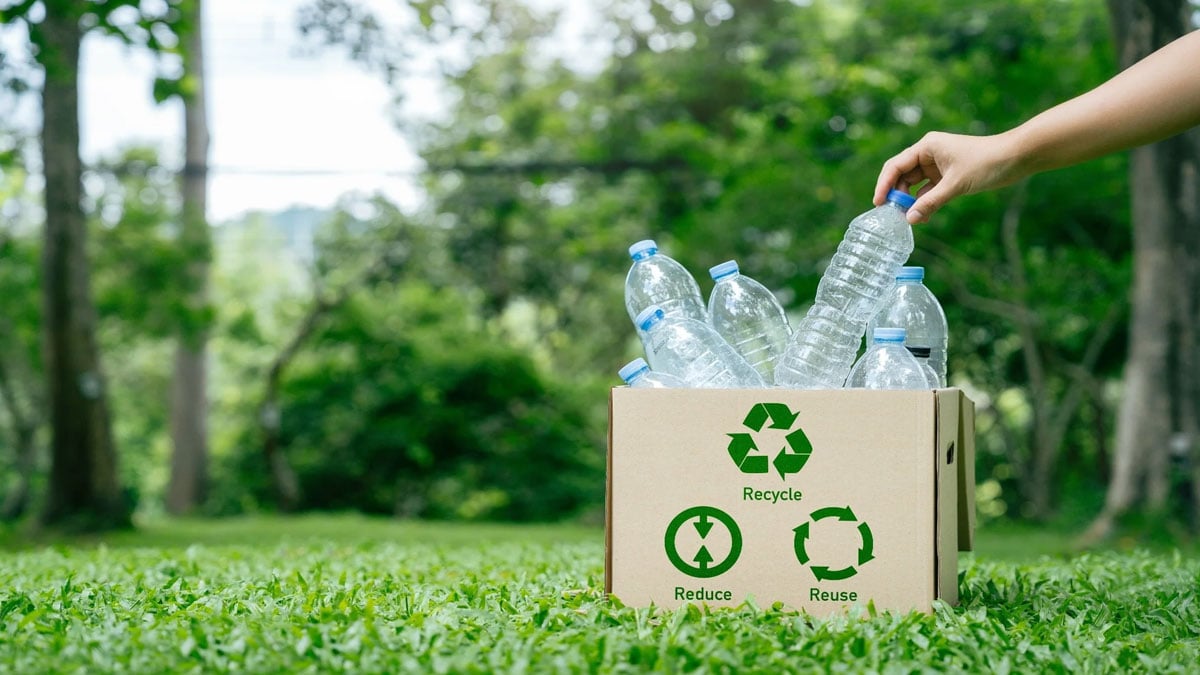
Researchers have developed a chemical process that transforms mixed plastic waste into high-purity hydrogen fuel while storing carbon, making it a cleaner alternative to traditional recycling methods.
Imagine a world where plastic waste is turned into clean fuel. Scientists have developed a way to do just that. They take mixed plastic waste and turn it into high-purity hydrogen fuel, which is a cleaner source of energy. This is like a magic trick that makes plastic waste disappear and turns it into something useful.
Analysis
A Breakthrough in Plastic Waste Management
Scientists have made a groundbreaking discovery in the field of plastic waste management. A team of researchers from the UCLA Samueli School of Engineering and Ewha Womans University in South Korea has developed a chemical process that transforms mixed, unsorted plastic waste directly into high-purity hydrogen fuel while storing carbon. This innovative method has the potential to revolutionize the way we manage plastic waste and provide a cleaner source of energy.
The Process
The technique successfully handles a mixture of the three most common consumer plastics, PET (polyethylene terephthalate), PE (polyethylene), and PP (polypropylene), together in a single reactor. The process operates at temperatures 300°C to 400°C lower than traditional steam gasification, making it a more energy-efficient option. The sodium hydroxide reagent traps the plastic's carbon, converting over 75% of it into stable solid carbonates or liquid residues to permanently lock it away.
Built-In Carbon Capture
Unlike burning or standard gasification, which spews carbon dioxide, the reaction's sodium hydroxide reagent traps the plastic's carbon, converting over 75% of it into stable solid carbonates or liquid residues to permanently lock it away. This means that the carbon is not released into the atmosphere, making the process a cleaner alternative to traditional recycling methods.
Implications for Pakistan
This development has significant implications for Pakistan, where plastic waste is a major environmental concern. The country generates a large amount of plastic waste, which is often not properly disposed of and ends up in landfills or oceans. The method developed by the researchers can potentially reduce plastic waste and provide a cleaner source of energy, making it an attractive option for Pakistan.
Key points
- Scientists have developed a process to turn plastic waste into clean fuel.
- The process transforms mixed, unsorted plastic waste directly into high-purity hydrogen fuel while storing carbon.
- The technique operates at temperatures 300°C to 400°C lower than traditional steam gasification.
- The process has the potential to reduce plastic waste and provide a cleaner source of energy.
If this development is implemented on a large scale, it could potentially reduce plastic waste in Pakistan and provide a cleaner source of energy. This could lead to a significant reduction in greenhouse gas emissions and improve the country's environmental health.
However, there are also potential risks associated with this development. For example, the process may require significant investment in infrastructure and technology, which could be a barrier to implementation. Additionally, there may be concerns about the safety and efficacy of the process, which could impact its widespread adoption.