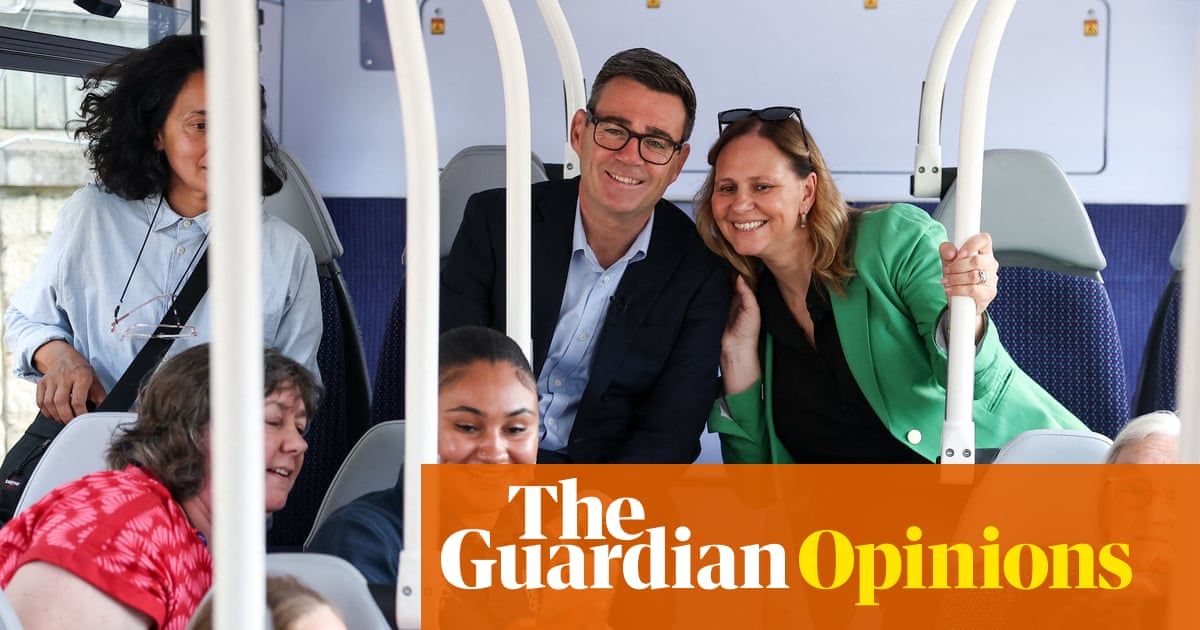
Scoff at cheaper bus fares and No 10 North if you like, but Andy Burnham knows what he’s doing
Andy Burnham's first policy move as prime minister is to cap single bus fares across England at £2, a move that echoes the Greater London Council's Fares Fair scheme in 1981. This is part of a series of small, practical measures designed to offer a little 'breathing space…
Intelligence analysis by Llama
Andy Burnham's premiership is off to a strong start with a series of practical measures, including capping single bus fares at £2. This move is reminiscent of the Greater London Council's Fares Fair scheme in 1981, which had a direct, positive impact on the lives of Londoners.
Imagine you're a kid, and you're trying to get to school. The bus fare is too expensive, so you can't afford to go. But then, the government says, 'Hey, we're going to make the bus fare cheaper, so you can get to school.' That's what Andy Burnham is doing as the new prime minister. He's making small changes to help people's lives, like making the bus fare cheaper. This is called 'retail politics,' where politicians focus on making small, practical changes that people can see and feel.
Analysis
A $60B Vote of Confidence
Burnham's first policy move as prime minister is to cap single bus fares across England at £2, a move that echoes the Greater London Council's Fares Fair scheme in 1981. This is part of a series of small, practical measures designed to offer a little 'breathing space' to a hard-pressed public. The Fares Fair scheme was a simple, clear offer to voters that had a direct, positive impact on their lives, one they would remember long after bigger, grander strategies had been lost to oblivion.
Why Cursor?
Burnham's view is that the key to Britain's future is allowing more and more places to repeat Manchester's experience. As he wrote in the Guardian: 'We built a city-region with twice the economic growth of anywhere else in the UK. What we did in Greater Manchester, we can do across the nation.' This is a core belief that devolution, giving more powers to cities and regions, is Britain's best shot at grabbing the prize that has proved so elusive for so long: economic growth.
The Road Ahead
Burnham's premiership is off to a strong start with a series of practical measures, including capping single bus fares at £2. This move is reminiscent of the Greater London Council's Fares Fair scheme in 1981, which had a direct, positive impact on the lives of Londoners. By empowering cities and regions to drive economic growth, Burnham is taking a bold step towards a more decentralised Britain.
Key points
- Andy Burnham's first policy move as prime minister is to cap single bus fares across England at £2.
- This move is reminiscent of the Greater London Council's Fares Fair scheme in 1981, which had a direct, positive impact on the lives of Londoners.
- Burnham's decentralisation plan, No 10 North, aims to empower cities and regions to drive economic growth.
- This is a bold step towards a more decentralised Britain, where cities and regions have more powers and resources to make their own decisions.
If Burnham's decentralisation plan is successful, it could lead to a more prosperous Britain, with cities and regions driving economic growth. This could also lead to a more equal distribution of wealth, as regions that were previously left behind start to thrive.
However, there are risks associated with Burnham's plan, including the potential for regional disparities to widen further. If some regions are given more powers and resources than others, it could lead to a more unequal Britain.