Seattle, home to Amazon and Microsoft, poised to pass moratorium on new datacenters
Seattle is close to approving a year-long pause on new datacenters, citing power costs and environmental concerns. Officials would use the time to write new rules for AI-scale facilities.
Intelligence analysis by GPT-5.4 Mini
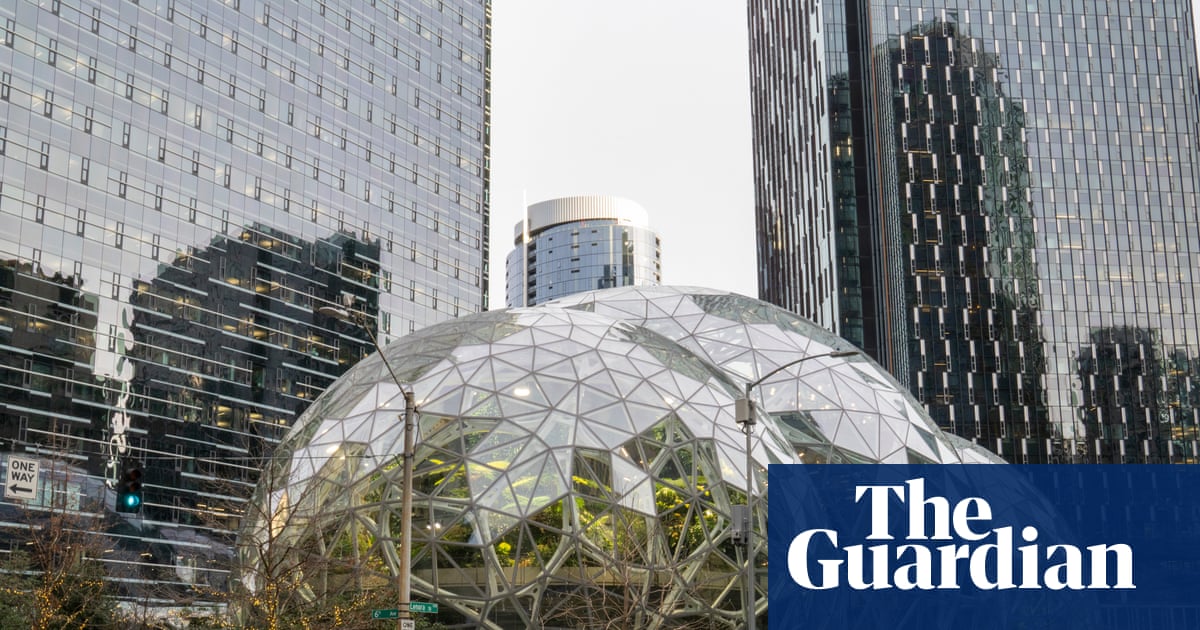
Seattle is set to become the largest U.S. city to freeze new datacenter construction for a year after unanimous committee approval. Supporters say the pause could protect residents from higher utility costs and give the city time to regulate AI infrastructure.
Seattle is thinking about pressing pause on giant computer warehouses that need lots of electricity and water. It is like a city deciding to stop adding more huge fridges until it knows who will pay the power bill and whether the fridges are worth the space.
Analysis
What Seattle is doing
Seattle city government is moving toward a one-year moratorium on new datacenters, after council committees unanimously backed the measure and an accompanying resolution. A full council vote is expected next Tuesday. The proposal comes after four companies sought permission to build five large datacenters in areas served by Seattle’s public utility, projects that officials said would have used about a third of the city’s current daily electricity demand.
Why the city says it matters
Lawmakers framed the pause as a way to protect residents from rising utility bills and environmental harm. During the moratorium, city officials plan to write rules tailored to datacenters, including pollution standards, power-connection requirements, contract terms, and labor standards. The resolution also lets the utility set separate rates for new “large load” customers, which includes large datacenters.
Mayor Katie Wilson said the city has to decide whether a large datacenter is even a good use of urban land. If Seattle decides that some are acceptable, officials could require public benefits such as investments in affordable housing and transit before approving them.
Local backlash and political context
The story has become a symbol of resistance inside one of America’s biggest tech centers. Seattle is home to Amazon and Microsoft, both of which have cut local jobs while investing heavily in AI. City officials and activists say thousands of residents, including tech workers, contacted lawmakers in support of the moratorium. Eddie Lin’s office said he received more than 10,000 supportive emails.
At a public comment meeting, more than 50 residents spoke for the pause and none against it. Critics raised concerns about fossil-fuel use, noise, air pollution, land use, and water pressure. Some Indigenous leaders also warned that datacenter water demand could threaten treaty and water rights.
The measure is being sold as a pause rather than a permanent ban because supporters believe that approach can build a broader coalition. Activists also argue that delay alone could stop the projects if the AI investment boom cools off before construction moves ahead.
Key points
- Seattle committees unanimously backed a one-year moratorium on new datacenters, with a full council vote expected next Tuesday.
- Officials say the proposed projects could have consumed about a third of the city’s current daily electricity demand.
- The city plans to use the pause to write datacenter-specific rules on pollution, power access, labor, and public benefits.
- Supporters say the move responds to rising utility costs, climate concerns, and the growing backlash to AI infrastructure.
- The debate is playing out in Amazon and Microsoft’s home city, where tech workers and activists have organized against the projects.
If the moratorium passes and leads to clear rules, Seattle could manage datacenter growth without pushing utility costs or environmental burdens onto residents. The pause could also give the city leverage to demand public benefits, like housing or transit investments, before approving any future projects.
The pause may only delay, not stop, the projects if developers return with revised plans once the year ends. If the city cannot agree on tighter language or durable regulations, Seattle could still end up with large datacenters and the same utility, land, and water conflicts later on.