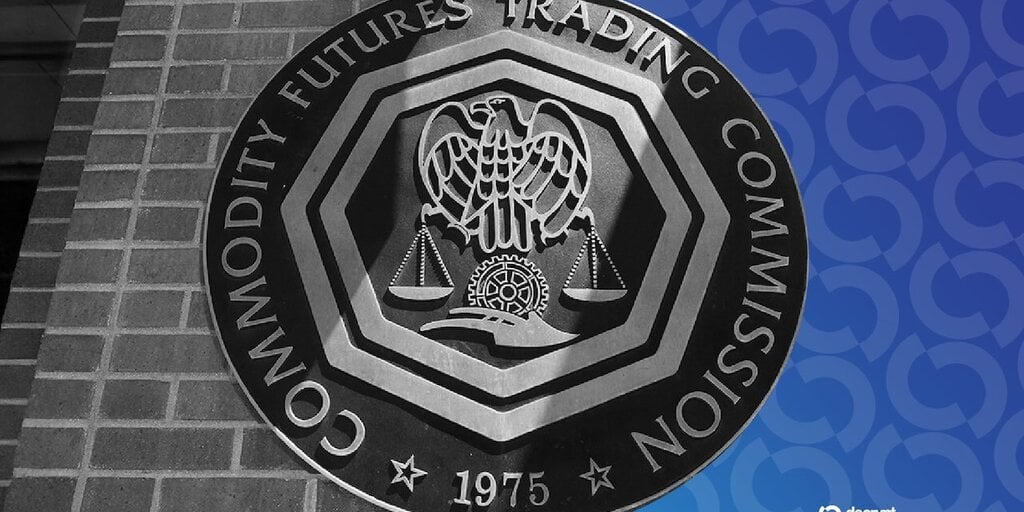
SEC, CFTC seek input on unified portfolio margin rules across securities and derivatives
The SEC and CFTC are seeking public feedback on aligning portfolio margin rules across securities and derivatives markets. The goal is to expand cross-margining and reduce market fragmentation.
Intelligence analysis by Llama 3.3 70B

The regulatory agencies aim to harmonize their frameworks to prevent jurisdictional overlap from limiting innovation and market efficiency. This move reflects the growing need for coordinated oversight as crypto exchanges and brokerages operate across both markets.
Imagine you have two separate accounts, one for stocks and one for futures. Currently, you need to keep a certain amount of money in each account to cover potential losses. But what if you could combine these accounts and use the money in one account to cover losses in the other? That's basically what cross-margining is, and it could help make markets more efficient.
Analysis
Introduction to Cross-Margining
The SEC and CFTC are exploring ways to align portfolio margin rules across securities and derivatives markets. This effort aims to reduce market fragmentation and improve efficiency. Cross-margining allows companies to offset positions across different products or markets, considering them together when calculating margin requirements.
Benefits of Harmonization
Harmonizing the agencies' frameworks could help prevent jurisdictional overlap from limiting innovation and market efficiency. According to SEC Chair Paul Atkins, cross-margining offers a clear opportunity to unlock liquidity that remains frozen in separate accounts. By recognizing these offsets, companies can often post less collateral against hedged positions because margin is based on the portfolio's overall risk rather than each position in isolation.
Regulatory Landscape
The SEC oversees securities and security-based swaps, while the CFTC regulates futures, swaps, and commodity derivatives. As crypto exchanges and brokerages increasingly operate across both markets, the agencies' joint review reflects the growing need for coordinated oversight. Recent regulatory approvals have paved the way for a broader expansion of crypto derivatives offerings, raising questions about whether existing regulatory frameworks remain appropriate across different markets.
Key points
- The SEC and CFTC are seeking public feedback on aligning portfolio margin rules
- The goal is to expand cross-margining and reduce market fragmentation
- Harmonizing regulations could help prevent jurisdictional overlap and improve market efficiency
If the SEC and CFTC can successfully align their portfolio margin rules, it could lead to increased liquidity and improved market efficiency. This, in turn, could attract more investors and participants to the crypto market, driving growth and innovation. Additionally, harmonized regulations could help prevent jurisdictional overlap and reduce the complexity of navigating multiple regulatory frameworks.
However, the process of aligning portfolio margin rules may be complex and time-consuming. There is a risk that the agencies may not be able to reach a consensus, or that the new rules may not be effective in reducing market fragmentation. Furthermore, the expansion of crypto derivatives offerings may also raise concerns about market volatility and the potential for excessive speculation.