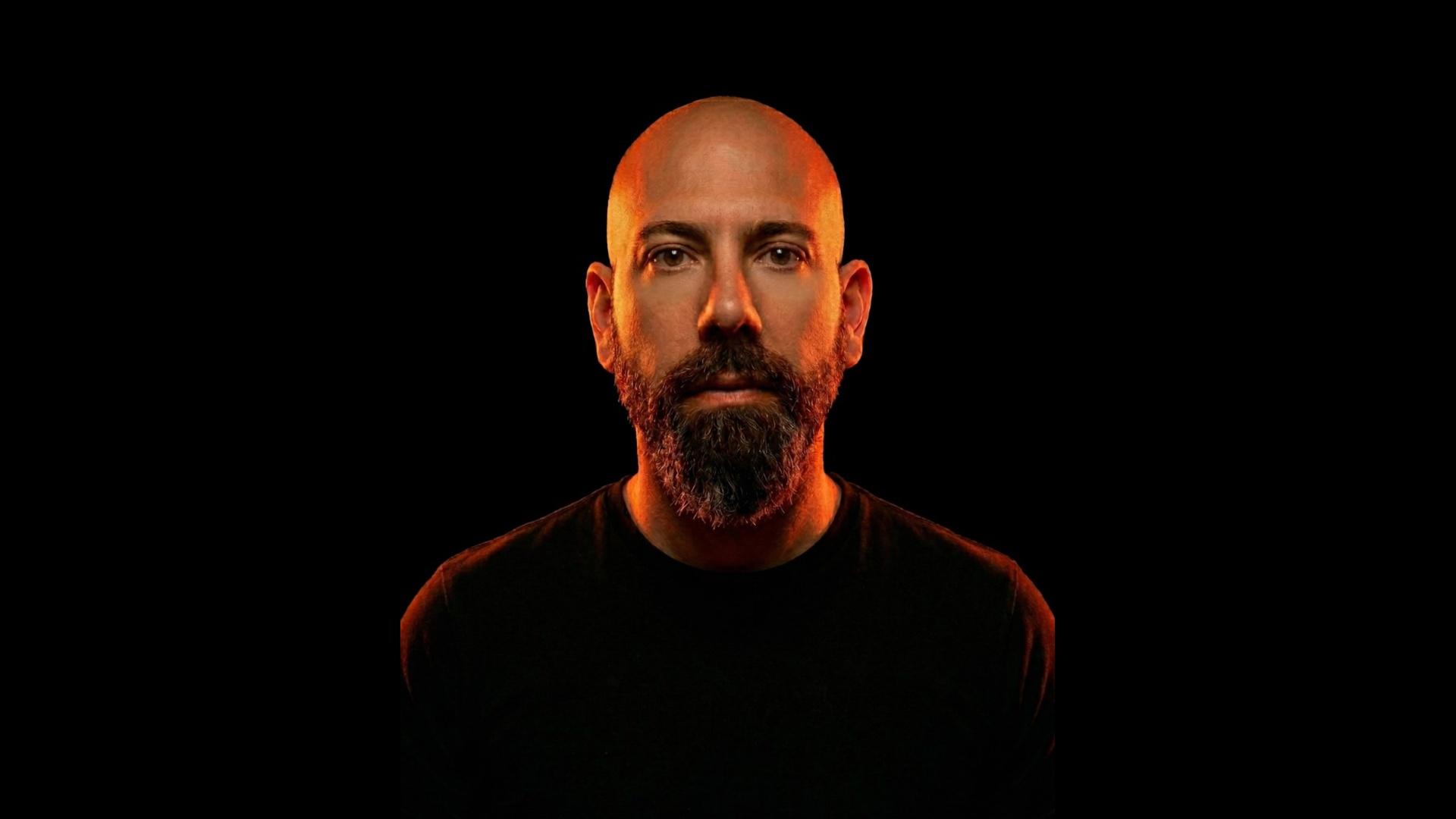
SEC Charges Texas Man With $12.3M Crypto Fraud Using Fake AI Trading Bots
The SEC says a Texas man raised $12.3 million from about 150 investors with fake AI trading bot claims and bogus guarantees.
Intelligence analysis by GPT-5.4 Mini

The SEC alleges Nathan Fuller used Privvy Investments and Gateway Digital Investments to pitch guaranteed crypto profits from AI bots that did not work as described. The complaint says he diverted millions for personal use and used earlier investor money to keep the scheme going.
A man told people he had smart computer robots that could make easy money with crypto. He said the money was safe and could grow very fast, but the SEC says that was not true.
It was like selling magic tickets to a show that did not exist. Some of the money was used for his own spending, and some was used to pay earlier investors so the scheme could keep going.
The SEC is trying to stop him and take back the money. The story warns that fancy words like “AI” can be used to make a bad deal sound exciting.
Analysis
What the SEC alleges
The Securities and Exchange Commission says Nathan Fuller, based in Cypress, Texas, ran a crypto fraud scheme from at least October 2022 through mid-2024 through Privvy Investments, LLC and the name Gateway Digital Investments. According to the complaint filed in the Southern District of Texas, he raised $12.3 million from roughly 150 investors.
The pitch
The SEC says Fuller promised unusually fast and large returns, including 40% to 50% in 30 to 45 days, and in some cases guaranteed profits of more than 100% in as little as 21 days. To support that pitch, he allegedly claimed investor money was protected by a surety bond, FDIC insurance, and a professional liability policy. The agency says none of those claims were true.
At the center of the sales pitch were supposed proprietary AI trading bots. Fuller said the bots would do high-frequency arbitrage across crypto exchanges. The SEC says the bots did not perform as represented.
Where the money went
The complaint says at least $6.2 million went to personal spending, while about $5.5 million was used for payments to earlier investors in a Ponzi-like pattern. The SEC also alleges Fuller sent fake account statements and fabricated messages from made-up entities to keep investors believing the story.
Broader pattern
The article places the case in a wider trend where AI branding is being used to lure retail investors into crypto schemes. The SEC is seeking permanent injunctions, disgorgement of ill-gotten gains, and civil penalties. The case adds to a growing list of enforcement actions tied to crypto promotions that lean on AI language but lack real product substance.
Key points
- The SEC says Nathan Fuller raised $12.3 million from about 150 investors.
- He allegedly used fake claims about AI trading bots, guaranteed returns, and insurance protection.
- The SEC says at least $6.2 million went to personal expenses.
- About $5.5 million allegedly went to earlier investors in a Ponzi-like pattern.
- The agency is seeking injunctions, disgorgement, and civil penalties.