SEC makes digital assets strategic priority through 2030
The SEC’s draft 2026-2030 plan elevates digital assets, tokenization and blockchain infrastructure as agency priorities.
Intelligence analysis by GPT-5.4 Mini
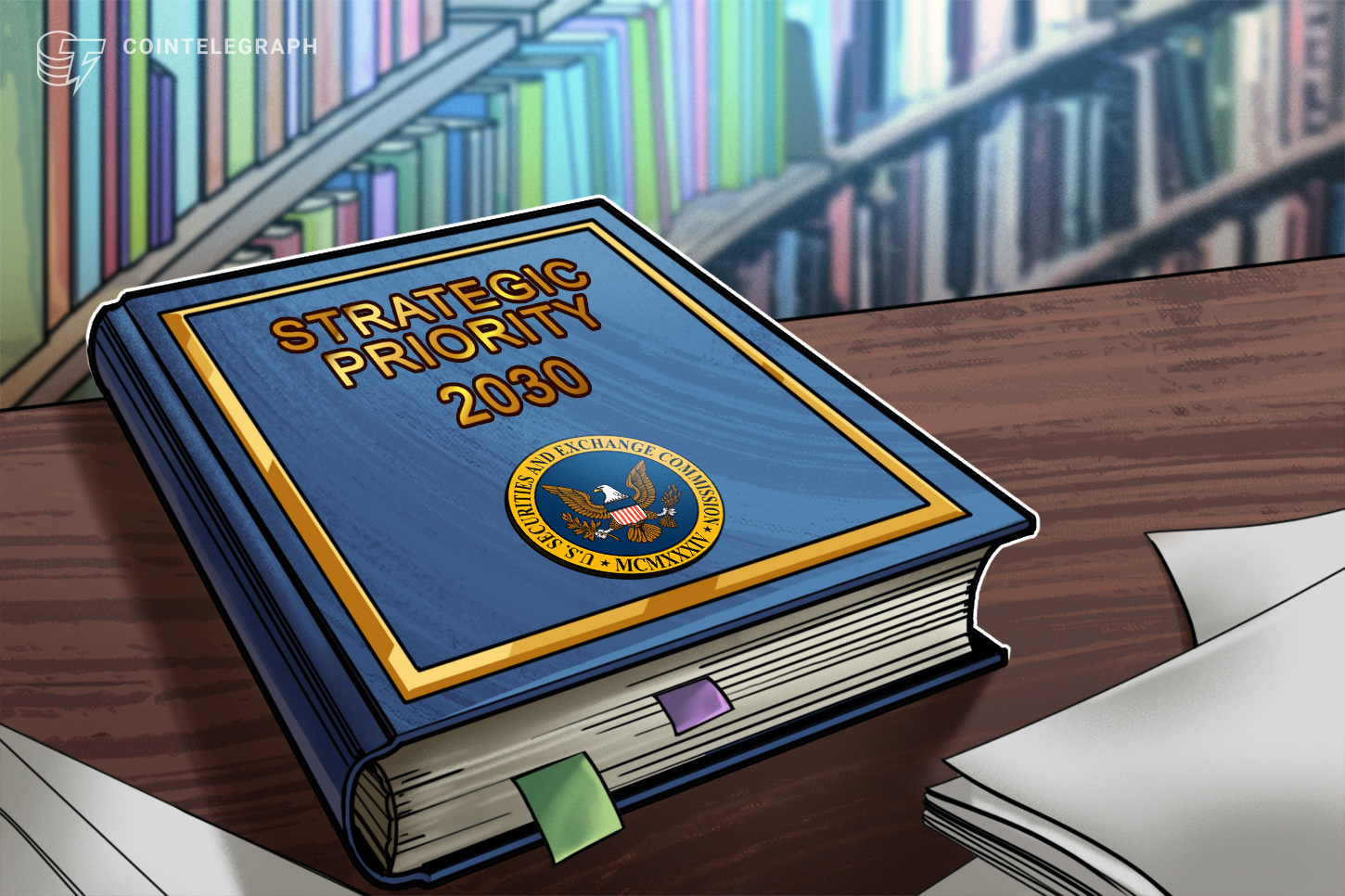
The SEC says it wants a clearer, more coherent framework for digital assets through 2030, with attention on tokenization, custody, trading and staking. The plan also points to a need for cleaner SEC-CFTC jurisdiction lines as Congress weighs market structure legislation.
The SEC is drawing a new map for crypto rules. It wants to decide who watches what, so things like digital coins, tokenized assets, and staking can work more like regular finance without so much confusion.
Analysis
What the SEC is saying
The SEC’s draft Strategic Plan for fiscal years 2026-2030 gives digital assets and distributed ledger technology their own objective, putting them alongside the agency’s broader goals of capital formation, investor protection and modernization. The agency says it wants to provide a "firm regulatory foundation" for digital assets through a rational and coherent approach.
Where the focus is
The plan highlights several areas that matter directly to crypto firms: tokenized offerings, onchain financial infrastructure, custody, trading and staking services. The SEC says these activities should be able to operate under appropriate oversight without overlapping or conflicting requirements that make compliance harder than it needs to be.
The document also suggests the agency sees digital asset growth as having moved faster than existing rules. That is the core problem the plan is trying to address: not whether crypto exists, but how it fits into a legal framework that was built before most of today’s products.
SEC and CFTC overlap
A second major theme is jurisdiction. The SEC says clearer rules also require clearer boundaries with the Commodity Futures Trading Commission. That issue is already central in Washington, including in the Digital Asset Market Clarity Act, which would expand the CFTC’s role over large parts of the market. The bill has moved through committee and is heading toward a Senate vote.
The two agencies have also already signed a memorandum of understanding to improve cooperation and information sharing. The strategic plan suggests the SEC wants that coordination to become part of a more durable regulatory structure, not just a temporary workaround.
Key points
- The SEC draft 2026-2030 strategic plan makes digital assets an explicit agency priority.
- The agency says it wants a coherent regulatory foundation for blockchain and crypto asset technologies.
- The plan highlights tokenization, custody, trading and staking as areas needing appropriate oversight.
- The SEC also wants clearer jurisdictional lines with the CFTC.
- Congress is already considering market structure legislation that could expand the CFTC’s role.
If the SEC follows through on this plan, crypto firms could get clearer rules for custody, trading, staking and tokenized products. That could make it easier to build compliant businesses and bring more onchain finance into the U.S. system.
A strategic plan is not the same as final rules, so the market may still face a long wait for clarity. Jurisdiction fights between the SEC and CFTC could also continue if Congress and the agencies do not settle the boundaries cleanly.