SEC postpones plan allowing 'innovation exemption' for tokenized stocks: Report
The SEC has reportedly delayed a tokenized-stock exemption after pushback over ownership, verification, and issuer consent.
Intelligence analysis by GPT-5.4 Mini
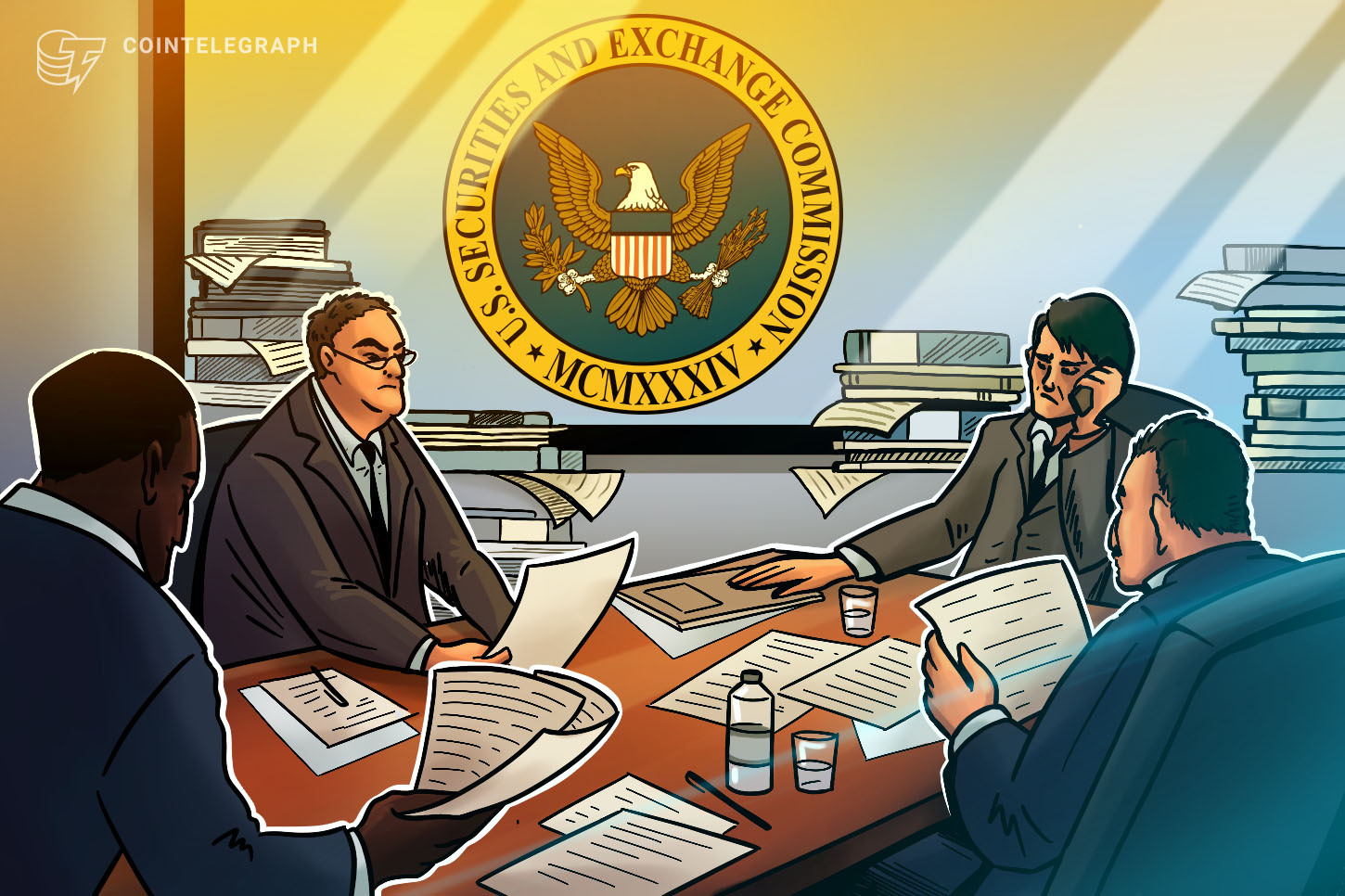
Bloomberg says the SEC paused a planned “innovation exemption” for tokenized stocks after market participants raised implementation concerns. The draft would have required tokenized-stock platforms to preserve shareholder rights, but critics worried about unauthorized issuance and proof of ownership on blockchains.
A U.S. regulator paused a plan that could have let some companies trade digital versions of stocks. The pause happened because people worried about who should be allowed to make those tokens and how to prove who really owns them.
It is a bit like putting a paper stock certificate into a special digital box. If the box is not built carefully, the wrong person might try to put a fake certificate inside.
The story matters because many companies want to turn real assets into digital tokens, but rules have to be clear first. Otherwise, investors could end up with products that do not work like real shares.
Analysis
What happened
Cointelegraph reports that the U.S. Securities and Exchange Commission delayed a proposed “innovation exemption” that could have allowed trading in tokenized stocks. Bloomberg, citing people familiar with the matter, said the proposal had been expected that week, but SEC staff had already reviewed concerns from industry participants.
Why the delay matters
The proposal would have required platforms offering tokenized stocks to ensure investors got the same core rights as shareholders in traditional markets, including dividends and voting rights. That point appears central to the pushback: market participants reportedly questioned how unauthorized third parties could issue tokens linked to public-company shares without consent, and how ownership would be verified on semi-pseudonymous blockchains.
Industry and regulatory context
The article says the SEC has become more open to crypto-related financial products under the Trump administration, while Wall Street interest in tokenization and stablecoins has grown. It also cites RWA.xyz data showing $34 billion in tokenized real-world assets, including $1.55 billion in tokenized equities, but says adoption has fallen short of earlier bullish forecasts from Citibank and McKinsey.
Some industry figures supported the delay. Securitize CEO Carlos Domingo said the exemption should apply to the right instruments, while Bullish CEO Tom Farley argued that public companies are the only entities that can issue tokens representing stock shares. SEC Commissioner Hester Peirce also said the exemption would likely be limited in scope and tied to digital representations of equity securities. The article adds that the SEC previously distinguished between custodial tokenized securities, which preserve shareholder rights, and synthetic versions that only track price exposure.
Key points
- The SEC reportedly delayed an “innovation exemption” for tokenized stocks after industry pushback.
- The proposed rules would have required tokenized-stock platforms to preserve rights like dividends and voting.
- Critics worried about unauthorized token issuance and how ownership would be verified on blockchain.
- Some crypto executives supported the delay and said the rules need to be precise.
- The article places the move in a broader trend of rising Wall Street interest in tokenization.