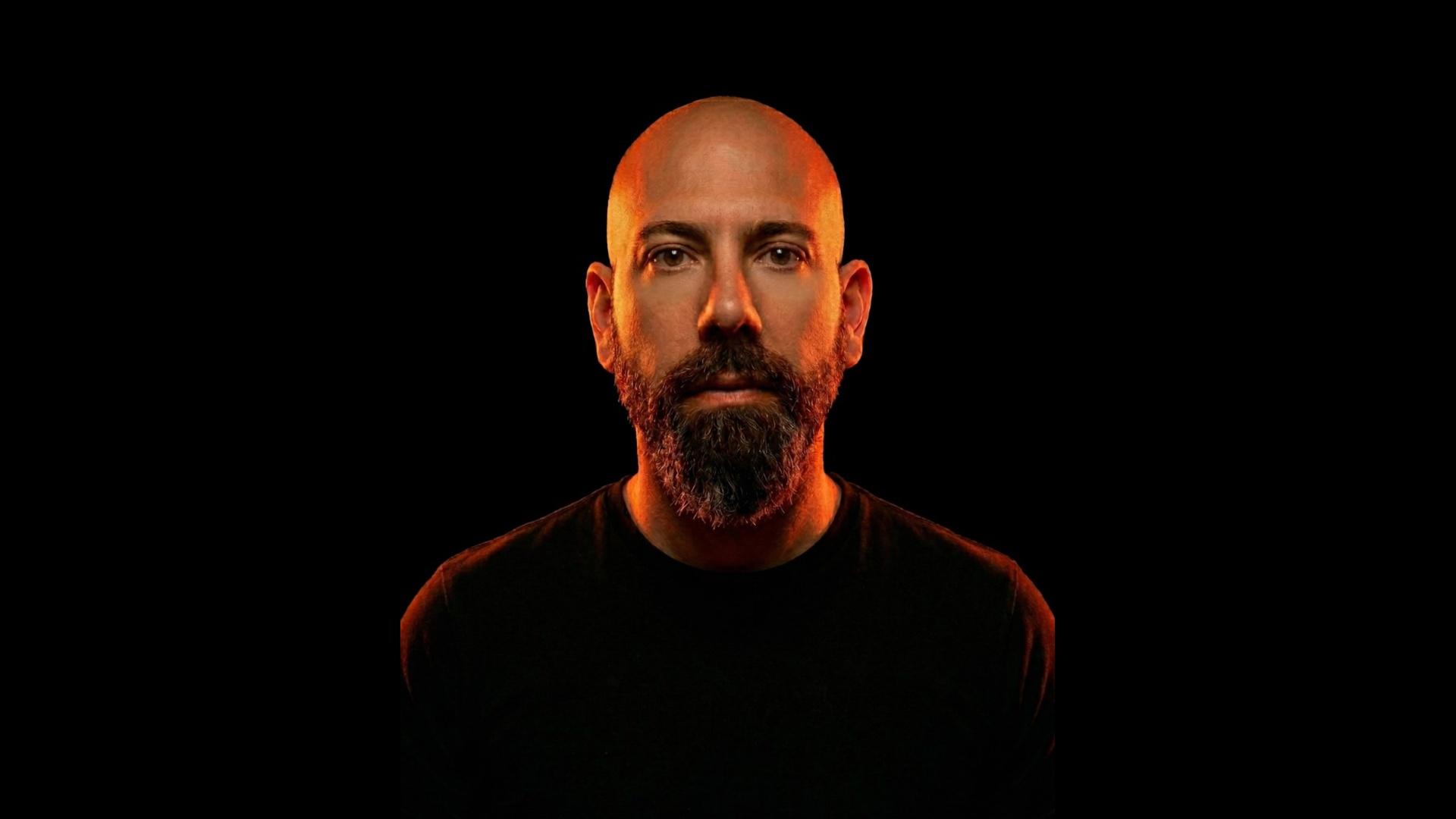
SEC sues Texas man over $12.3 million alleged crypto scheme built on fake AI trading bots
The SEC says a Texas man raised $12.3 million from about 150 investors with fake AI trading bot claims, then spent most of it and made Ponzi-like payouts.
Intelligence analysis by GPT-5.4 Mini

The SEC alleges Nathan Fuller used false claims about AI crypto bots, guaranteed returns, and insurance-like protections to pull in money from roughly 150 investors. The agency says most of the funds were diverted to personal spending or paid out to earlier investors, while only a small slice went into crypto trading.
A man in Texas is accused of telling people a computer brain could trade crypto and make huge profits fast. The SEC says that story was fake.
Instead of using most of the money for trading, the complaint says he spent a lot of it on himself and used some of it to pay earlier investors. That is like taking money from a pile and using new money to keep the game going.
When people started asking questions, the SEC says he sent fake reports and even used AI to make a letter that sounded official. The government now wants to stop him and take back money if it can.
Analysis
What the SEC alleges
The SEC says Texas resident Nathan Fuller raised about $12.3 million from roughly 150 investors through Privvy Investments LLC and related business names. According to the complaint, the pitch centered on a supposed crypto arbitrage operation powered by proprietary AI trading bots, with promises of fast returns, limited losses, and even insurance-style protection.
The agency says those claims were false. It alleges Fuller told investors the bots could scan crypto markets and execute high-frequency trades, while some investors were promised returns of 40% to 50% in 30 to 45 days, and in certain cases more than 100% in under a month. The SEC says only about $380,000, or roughly 3% of investor money, was actually used to buy cryptocurrency, and those trades were not bot-driven and produced no profit.
Where the money went
The complaint says Fuller misappropriated at least $6.2 million for personal use, including a home, gambling, travel, and vehicles. It also says about $5.5 million was used for payments that resembled a Ponzi structure, helping keep the scheme afloat as investors asked questions and tried to withdraw funds.
To calm concerns, the SEC alleges Fuller sent fabricated account statements, referenced fake entities, and used AI to generate a letter from a purported auditing firm saying accounts were under review. The agency is seeking injunctions, disgorgement, civil penalties, and a bar on securities offerings. The article also notes a separate bankruptcy proceeding in which the Justice Department said Fuller was denied discharge of more than $12.5 million in debt after admitting he ran Privvy as a Ponzi scheme and fabricated documents.
Key points
- The SEC says Nathan Fuller raised about $12.3 million from roughly 150 investors.
- The alleged pitch promised AI-powered crypto arbitrage, fast returns, and loss protection.
- The complaint says only about $380,000, or roughly 3%, went into crypto trading.
- The SEC alleges Fuller used millions for personal expenses and Ponzi-like payments.
- The agency says he used fabricated statements and an AI-made letter to reassure investors.