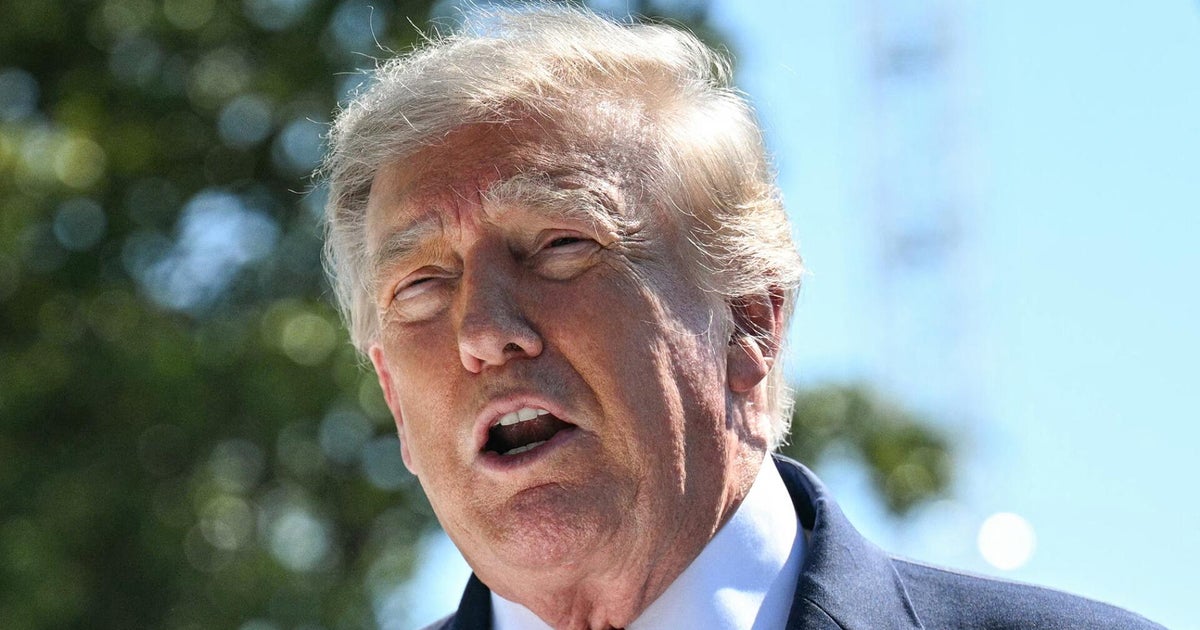
Senate Republicans reject Iran war powers resolution after clashing with Trump at Capitol meeting
Senate Republicans rejected a war powers resolution after a contentious meeting with President Trump, with Senators Cassidy and Paul switching their votes. The resolution would have given Congress the ability to halt the war with Iran.
Intelligence analysis by Llama 3.3 70B
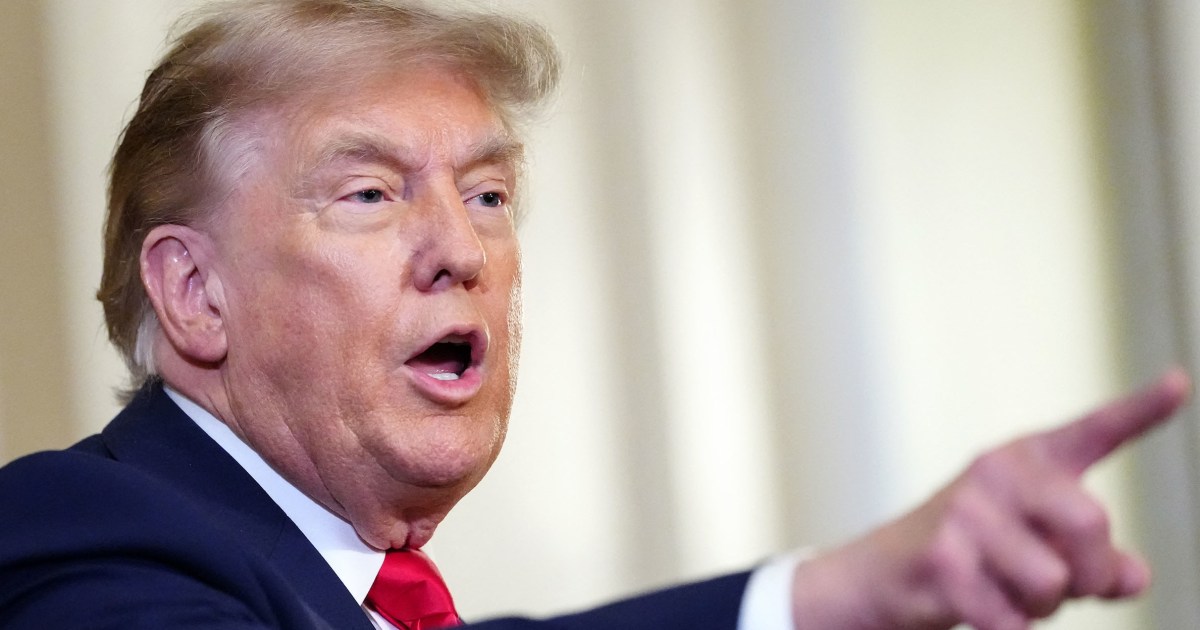
The Senate rejected a war powers resolution that would have limited President Trump's ability to engage in hostilities with Iran, following a heated meeting between Trump and Republican senators.
Imagine you're playing a game with your friends, and one of your friends wants to make all the rules without asking anyone else. That's kind of what's happening with the president and the war with Iran. Some senators wanted to make sure the president couldn't just make all the decisions about the war without asking them, but they didn't get enough votes to make that happen.
Analysis
A Contentious Meeting
The meeting between President Trump and Republican senators was marked by a shouting match between Trump and Senator Cassidy, who had previously voted to advance the war powers resolution. Cassidy told reporters that he had "lost my temper" during the meeting, and that Trump had also raised his voice. The disagreement centered on the lack of information provided by the administration on Iran, with Cassidy expressing frustration that the war had lasted longer than expected and that the original objectives had not been achieved.
The meeting was initially intended to focus on a bipartisan housing bill and the SAVE America Act, but Trump spent more time discussing the election bill and the Iran war. This shift in focus led to a contentious back-and-forth between Trump and Cassidy, which ultimately resulted in Cassidy switching his vote on the war powers resolution.
The Implications of the Vote
The rejection of the war powers resolution has significant implications for US foreign policy and national security. By giving President Trump more flexibility to engage in military action against Iran, the Senate has effectively ceded some of its authority to the executive branch. This could have far-reaching consequences, including the potential for increased tensions with Iran and the possibility of further military action in the region.
The vote also highlights the ongoing debate over the balance of power between the executive and legislative branches. The war powers resolution was intended to reassert Congress's authority to declare war and limit the president's ability to unilaterally engage in military action. By rejecting the resolution, the Senate has effectively allowed the president to maintain more control over foreign policy and national security decisions.
The Road Ahead
The rejection of the war powers resolution sets the stage for further debate and potential conflict over US foreign policy and national security. As the Senate prepares to leave town for a two-week recess, lawmakers will likely continue to grapple with the implications of the vote and the potential consequences of further military action against Iran. The administration will also face continued scrutiny over its handling of the conflict, including the lack of information provided to lawmakers and the potential for further escalation.
Key points
- Senate Republicans rejected a war powers resolution that would have limited President Trump's ability to engage in hostilities with Iran
- The rejection of the resolution gives President Trump more flexibility to engage in military action against Iran
- The vote was preceded by a contentious meeting between Trump and Republican senators, including a shouting match between Trump and Senator Cassidy
The rejection of the war powers resolution could potentially lead to a more unified Republican party, as President Trump was able to bring senators on board with his vision for the conflict. Additionally, the administration's efforts to provide more information to lawmakers could lead to greater transparency and cooperation between the executive and legislative branches.
The rejection of the war powers resolution could lead to further escalation of the conflict with Iran, as President Trump may feel emboldened to take more aggressive action without congressional oversight. Additionally, the contentious meeting between Trump and Republican senators could damage relationships and hinder future cooperation on key legislative issues.