Seven fortresses, one strategy: How the Alamut defensive network worked
The Alamut defensive network, a complex of seven mountain strongholds, was a highly advanced defensive system in medieval Iran. It combined geography, architecture, water management, and spatial organization to provide exceptional security and resilience.
Intelligence analysis by Llama
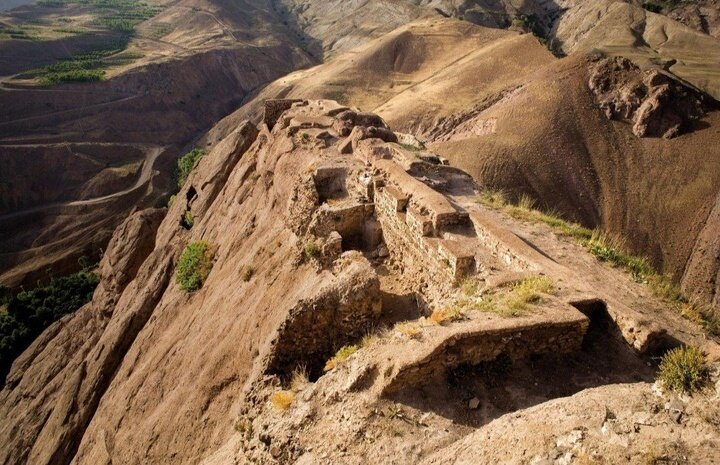
The Alamut defensive network, a series of seven fortresses in medieval Iran, was a pioneering example of strategic organization and adaptation to a challenging environment. Its unique approach to defense, resource management, and territorial organization has been recognized by UNESCO as an Outstanding Universal Value.
Imagine a series of seven strongholds built into the sides of mountains. Each one was connected to the others, and they all worked together to keep people safe. They had their own water and food, so they could survive even if the outside world was in trouble. This was a really smart way to build a defense system, and it's still studied today.
Analysis
A Network-Based Approach to Defense
The Alamut defensive network was a complex of seven mountain strongholds that formed one of the most advanced defensive systems of medieval Iran. The network was designed to provide exceptional security and resilience through the combined use of geography, architecture, water management, and spatial organization. Each fortress was part of a larger system, and no individual stronghold had meaning in isolation. The network was designed to be self-sustaining, with its own water and food management systems, allowing life to continue during times of crisis without immediate dependence on the outside world.
Adaptation to the Natural Environment
The architects of Alamut sought to use the rock itself as part of the fortifications wherever possible. In many places, natural cliffs replaced artificial walls, while walls and towers were constructed only where necessary. This integration of architecture and nature both reduced construction demands and made penetration more difficult. The natural environment itself became part of the defensive design, making the network even more resilient.
A Center of Knowledge and Culture
In addition to its protective role, the network also served as a center of knowledge, thought, and cultural life. The Nizari Ismailis, who controlled the network, were a learned and intellectual community that made significant contributions to science, philosophy, and the arts. The network was a hub of cultural and intellectual activity, and its fall marked the end of an era of cultural and scientific flourishing.
Key points
- The Alamut defensive network was a complex of seven mountain strongholds in medieval Iran.
- The network was designed to provide exceptional security and resilience through the combined use of geography, architecture, water management, and spatial organization.
- Each fortress was part of a larger system, and no individual stronghold had meaning in isolation.
- The network was self-sustaining, with its own water and food management systems.
- The architects of Alamut sought to use the rock itself as part of the fortifications wherever possible.
The recognition of the Alamut defensive network as an Outstanding Universal Value by UNESCO could lead to increased tourism and economic benefits for the region. This could also lead to a greater appreciation and understanding of the network's unique approach to defense and territorial organization.
The fall of Alamut Castle in 1256 CE marked the end of its political and cultural significance. The network's unique approach to defense and territorial organization may not be widely adopted or recognized in modern times, and its historical significance may be lost to future generations.