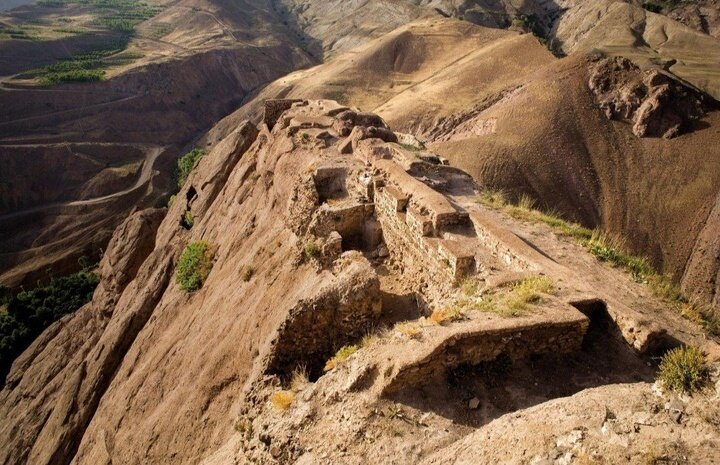
Shiraz historical district restoration should rely on AI, future studies
The director-general of Cultural Heritage, Tourism and Handicrafts of Fars province has called for the use of artificial intelligence, advanced technologies and future-oriented approaches in the preservation and revitalization of Shiraz’s historic urban fabric.
Intelligence analysis by Llama
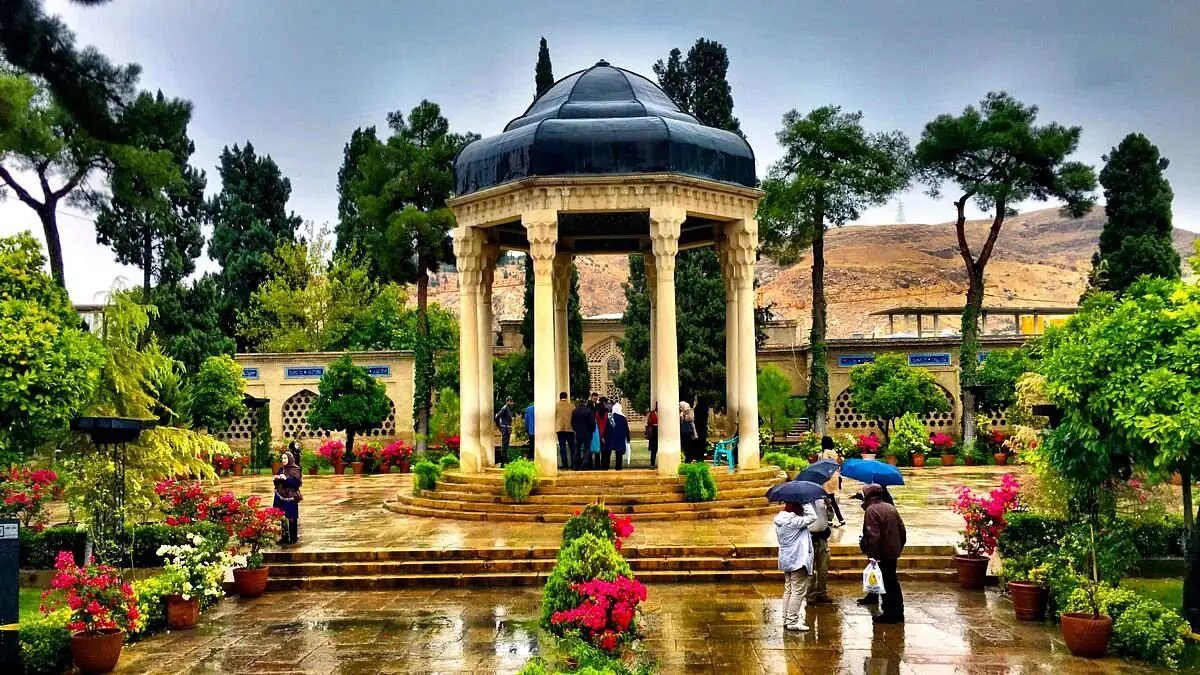
The director-general of Cultural Heritage, Tourism and Handicrafts of Fars province has emphasized the importance of using artificial intelligence and advanced technologies in the preservation and revitalization of Shiraz’s historic urban fabric. He believes that accurate and scientific data collection is essential for effective planning and management of historic areas.
Imagine you're visiting a really old city in Iran called Shiraz. The city has lots of old buildings and gardens that are very important for its history and culture. To help take care of these old buildings, the government is using special computers called artificial intelligence to help them make good decisions about how to fix and restore them.
Analysis
A $60B Vote of Confidence
The director-general of Cultural Heritage, Tourism and Handicrafts of Fars province has called for the use of artificial intelligence, advanced technologies and future-oriented approaches in the preservation and revitalization of Shiraz’s historic urban fabric. This move is a significant step towards developing smart tourism in the historic core of the city. The creation of comprehensive databases and the expansion of digital infrastructure are essential steps towards this goal.
Why Cursor?
The use of artificial intelligence and advanced technologies can help authorities adopt more efficient and forward-looking strategies for protecting and reviving historic areas. Accurate and scientific data collection is essential for effective planning and management of historic areas. This approach can help authorities make informed decisions and prioritize conservation efforts.
The Road Ahead
The preservation and revitalization of Shiraz’s historic urban fabric is crucial for the city’s cultural heritage and tourism industry. The use of artificial intelligence and advanced technologies can help authorities adopt more efficient and forward-looking strategies for protecting and reviving historic areas. This approach can help authorities make informed decisions and prioritize conservation efforts.
Key points
- The director-general of Cultural Heritage, Tourism and Handicrafts of Fars province has called for the use of artificial intelligence, advanced technologies and future-oriented approaches in the preservation and revitalization of Shiraz’s historic urban fabric.
- The creation of comprehensive databases and the expansion of digital infrastructure are essential steps towards developing smart tourism in the historic core of the city.
- Accurate and scientific data collection is essential for effective planning and management of historic areas.
- The use of artificial intelligence and advanced technologies can help authorities adopt more efficient and forward-looking strategies for protecting and reviving historic areas.
If the use of artificial intelligence and advanced technologies in the preservation and revitalization of Shiraz’s historic urban fabric is successful, it could lead to a significant increase in tourism and economic growth for the city. This could also help to preserve the city’s cultural heritage and historic buildings for future generations.
However, there are also potential risks associated with the use of artificial intelligence and advanced technologies in the preservation and revitalization of Shiraz’s historic urban fabric. For example, if the technology is not implemented correctly, it could lead to the loss of traditional skills and knowledge, or the destruction of historic buildings.