Several protesters arrested at New Jersey ICE facility as clashes continue
New Jersey officials say multiple protesters were arrested outside Delaney Hall after days of clashes. The standoff has sharpened over detention conditions, curfews, and protester and law-enforcement violence.
Intelligence analysis by GPT-5.4 Mini
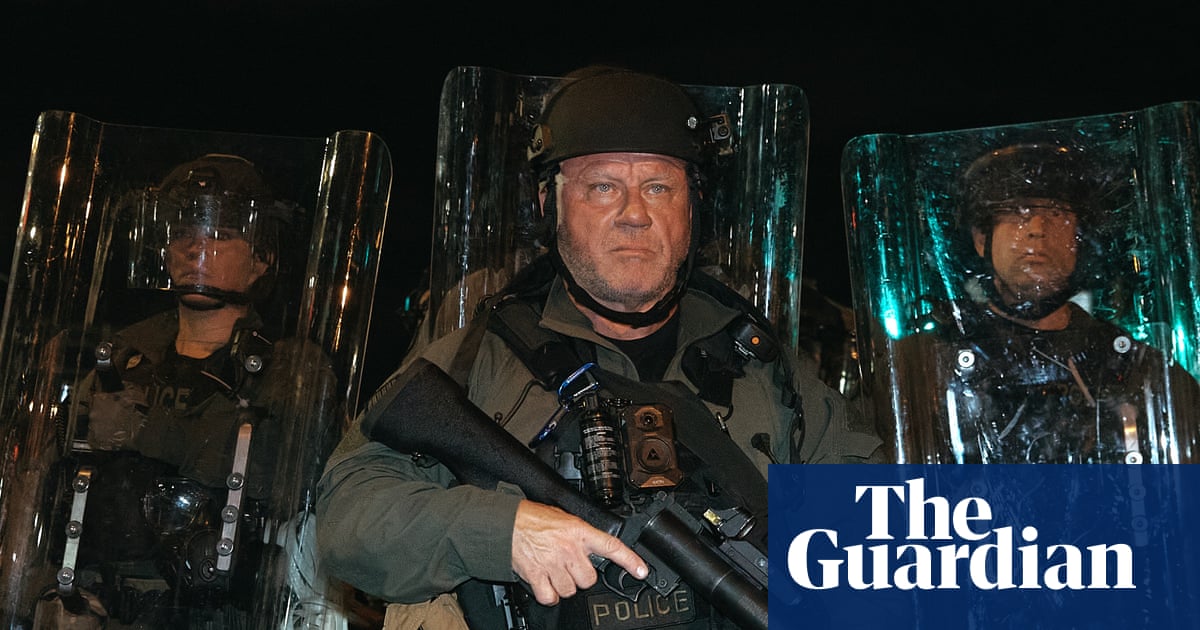
Protests outside the Delaney Hall ICE detention center in Newark escalated into overnight arrests after authorities enforced a curfew. The fight has widened into a dispute over detainee treatment, protest tactics, and who should police the site.
A big argument is happening outside a detention center in New Jersey. People have been protesting there for days, and police say some protesters did not leave when told, so several were arrested.
Inside the center, some detained people have been refusing food and work because they are upset about how things are being run. It is a bit like a school where the students and the adults are both angry, and the hallway keeps getting noisier instead of quieter.
Local leaders say they are trying to calm things down by making new rules, like a curfew and having state police handle the area. But the government and some lawmakers disagree sharply about whether people inside are being treated fairly.
Analysis
What happened
Officials in New Jersey said several protesters were arrested overnight outside Delaney Hall, the Newark immigration detention center that has seen more than a week of confrontations. State attorney general Jennifer Davenport said some people at the protest came prepared with helmets, shields, or gas masks and refused repeated orders to leave.
Reports from the scene put the number of arrests anywhere from about 20 to more than 46, depending on the source cited in the article. CBS News said officers in riot gear, backed by horseback units, moved in less than 15 minutes after a dispersal order was given for people gathered near a half-mile exclusion zone.
Why tensions rose
The protests come amid hunger and labor strikes inside the facility over conditions and a temporary suspension of family visitation. Newark mayor Ras Baraka imposed a 9pm to 6am curfew after what he called an escalating situation that was forcing more police intervention.
New Jersey’s governor, Mikie Sherrill, said Friday that state law enforcement would take over policing outside Delaney Hall from federal ICE officers in an effort to reduce tensions after eight days of clashes. She later said violence by protesters endangered law enforcement and the public.
The larger dispute
The article presents a sharp clash between the Department of Homeland Security and Democratic officials who toured the center. DHS rejected complaints about mistreatment, poor food, and lack of medical care, saying such claims were false and that detainees receive basic necessities. Democratic lawmakers, including Hakeem Jeffries, said they saw detainees with long stays, limited food access, and inadequate care, and argued the facility should be shut down.
Delaney Hall is operated by the Geo Group and reportedly holds an average daily population of 800 to 900 people. The dispute now blends public-order policing with a wider political fight over ICE detention and detainee treatment.
Key points
- Several protesters were arrested overnight outside the Delaney Hall ICE detention center in Newark after a curfew was enforced.
- State officials said some protesters arrived equipped with helmets, shields, or gas masks and ignored repeated orders to leave.
- New Jersey has shifted outside policing from ICE to state law enforcement in an effort to reduce tensions.
- Detained people at Delaney Hall are reported to be on hunger and labor strikes over conditions and visitation limits.
- DHS and Democratic lawmakers gave sharply different accounts of the treatment of detainees inside the facility.
If the state takeover of policing outside Delaney Hall lowers tensions, the protests could become less violent and easier to manage. That could also create room for officials to address complaints about food, medical care, and visitation without constant clashes on the street.
If arrests, curfews, and heavy police tactics keep escalating, the standoff could deepen and produce more injuries or detentions. The unresolved dispute over conditions inside the facility could also keep fueling protests and political conflict.