SG govt extends ABSD timelines for large-scale en bloc redevelopments, giving housing developers more time to complete & sell units
The Singapore government has extended the timelines for large-scale en bloc redevelopments, giving housing developers more time to complete and sell units. The changes aim to support licensed housing developers in undertaking large-scale redevelopments, which can help rej…
Intelligence analysis by Llama
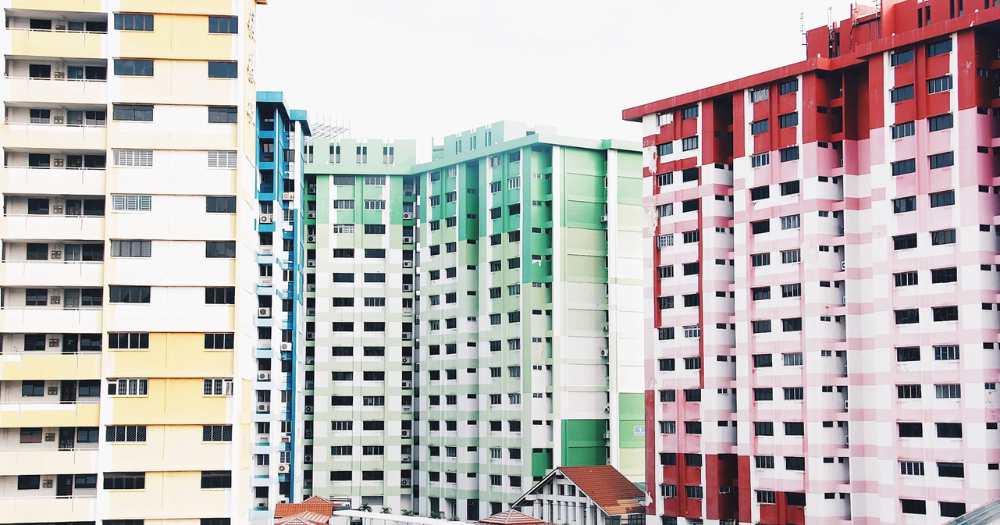
The government has revised the Additional Buyer's Stamp Duty (ABSD) regime to support licensed housing developers in undertaking large-scale en bloc redevelopments. The changes include extending the completion and sale timelines for large sites and mega sites, with developers of mega sites required to sell at least 50% of residential units by the end of year six.
Imagine you're a builder, and you're working on a big project to build new homes. The government is giving you more time to finish the project and sell the homes, so you can meet the demand for new housing. This is good news for the housing market, as it will help to increase the supply of new homes and meet the needs of Singaporeans.
Analysis
A $60B Vote of Confidence
The Singapore government's decision to extend the timelines for large-scale en bloc redevelopments is a significant vote of confidence in the housing market. The changes aim to support licensed housing developers in undertaking large-scale redevelopments, which can help rejuvenate older estates and increase housing supply to meet ongoing demand. This move is expected to have a positive impact on the housing market, as it will give developers more time to complete and sell units, which can help meet ongoing demand and support the growth of the housing market.
Why Cursor?
The government's decision to revise the ABSD regime is also a response to the changing needs of the housing market. The current regime has been in place since 2018, and the government has recognized that it needs to be updated to support the development of new housing supply. The revised regime will give developers more flexibility to complete and sell units, which can help meet ongoing demand and support the growth of the housing market.
The Road Ahead
The revised ABSD regime is expected to have a positive impact on the housing market, as it will give developers more time to complete and sell units. However, the government will need to monitor the impact of the changes and make any necessary adjustments to ensure that the housing market continues to grow and meet the needs of Singaporeans. The government's decision to revise the ABSD regime is a significant step towards supporting the development of new housing supply and rejuvenating older estates.
Key points
- The Singapore government has extended the timelines for large-scale en bloc redevelopments, giving housing developers more time to complete and sell units.
- The changes aim to support licensed housing developers in undertaking large-scale redevelopments, which can help rejuvenate older estates and increase housing supply to meet ongoing demand.
- Developers of mega sites must sell at least 50% of residential units by the end of year six, or face the full ABSD clawback on the 35% remittable component with interest.
- The revised ABSD regime is expected to have a positive impact on the housing market, as it will give developers more time to complete and sell units.
The revised ABSD regime is expected to have a positive impact on the housing market, as it will give developers more time to complete and sell units. This will help to increase the supply of new homes and meet the needs of Singaporeans, which can lead to a more stable and growing housing market.
However, the government will need to monitor the impact of the changes and make any necessary adjustments to ensure that the housing market continues to grow and meet the needs of Singaporeans. If the changes are not implemented effectively, it could lead to a decrease in the supply of new homes and a less stable housing market.