Ships paying up to $2m under new scheme in Hormuz: report
Ships transiting the Strait of Hormuz are reportedly paying $1.5 million to $2 million under a new maritime services plan.
Intelligence analysis by GPT-5.4 Mini
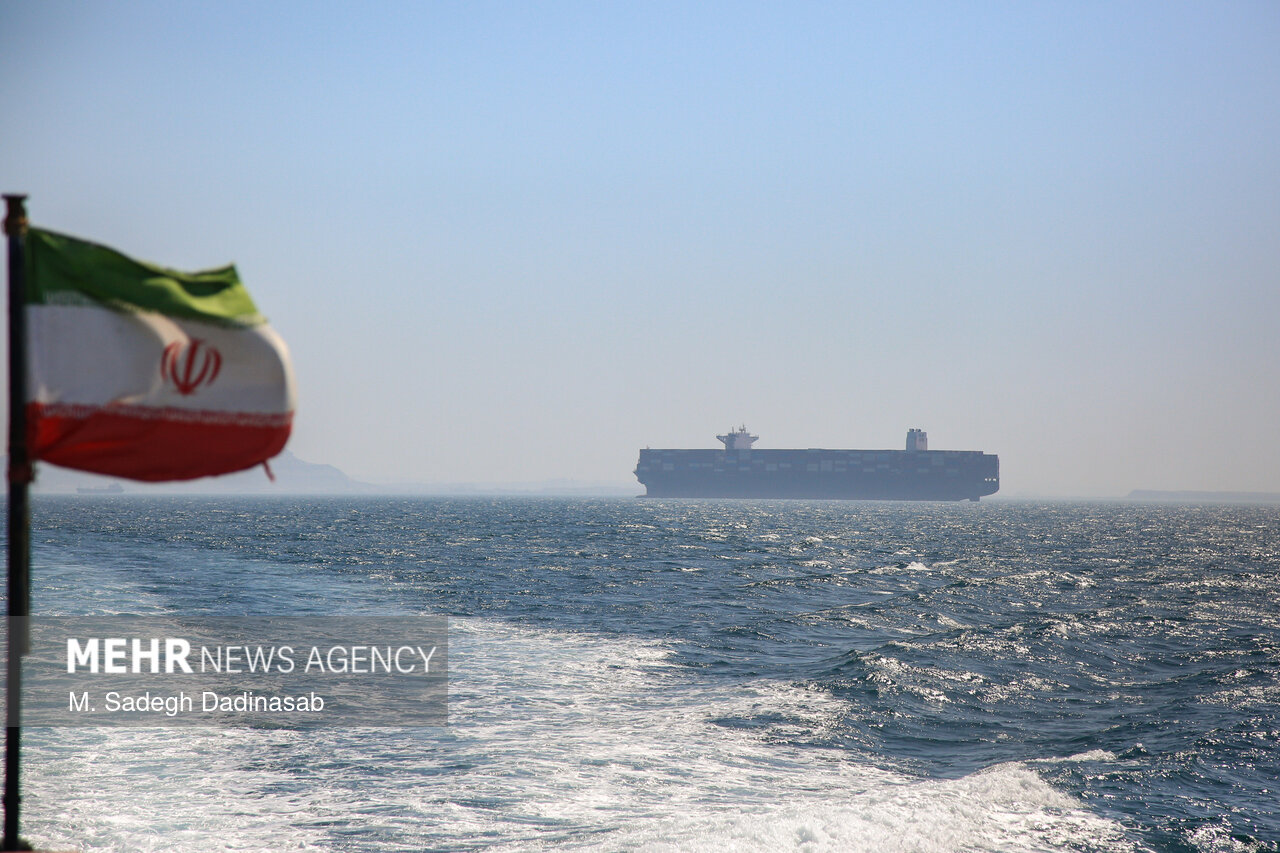
A report says Iran has begun collecting large fees from vessels passing through the Strait of Hormuz, with some payments made in cash and others through goods, services, crypto, or barter. The move is tied to maritime safety and environmental services, but it also underscores Iran’s tighter control over a critical global shipping route.
Iran is treating the Strait of Hormuz like a busy bridge and charging ships to use it. The report says the fees can be paid in money, cargo, or even crypto, and the bridge matters because lots of the world’s oil passes through it.
Analysis
What the report says
Mehr says vessels passing through the Strait of Hormuz are now paying an average of $1.5 million to $2 million under a newly implemented maritime services plan. Mohsen Zanganeh, a member of parliament’s Planning and Budget Commission, was quoted by Fars News Agency as confirming the arrangement, according to Press TV.
The report says the scheme is being run by a body formed with the Ministry of Economy and operating under the supervision of Iran’s Supreme National Security Council. It also says payments are not always made in cash. Some are settled through goods, services, cryptocurrencies such as Tether, or barter arrangements.
Where the money goes
According to the report, the collected revenues are deposited into the national treasury and spent under the state budget. Authorities had previously said they were building a regulatory framework to charge ships for maritime safety and environmental services in the strait.
Strategic backdrop
The report frames the financial side as only part of the story. Economic analysts cited in the piece say annual transit-fee revenue could reach about $7.5 billion at most, but the real importance of the Strait lies in its strategic position. The article cites International Energy Agency estimates that a full closure could remove around 16 million barrels of oil per day from global markets.
It also says the strait handles about 20% of global oil and liquefied natural gas shipments and has seen unusual disruption in recent months. The report links the tighter controls to Iran’s response after the Feb. 28 US-Israeli attack on Iran, saying the IRGC restricted access for aggressors and their allies.
Current posture
The article says Iran has set up a new Persian Gulf Strait Authority to vet ships and cargoes and block hostile countries from using the passage. Tehran says it could gradually ease restrictions if it gets firm guarantees that attacks will not resume and sanctions and the blockade on Iranian ports are lifted. But Iranian officials also say conditions will not go back to the pre-war status quo, especially for vessels owned by or tied to hostile states.
Key points
- Ships transiting the Strait of Hormuz are reportedly paying $1.5 million to $2 million under a new maritime services plan.
- The report says some payments are made through goods, services, Tether, or barter, not only cash.
- Revenues are said to go into Iran’s national treasury and be spent under the state budget.
- Iran has also formed a new Persian Gulf Strait Authority to vet ships and cargoes.
- The article says restrictions may ease only if Iran receives guarantees against renewed attacks and sanctions relief.
If the scheme works as described, Iran could bring in new revenue while formalizing maritime safety and environmental services in a vital shipping lane. A clearer system might also give authorities more control over traffic through the strait and make the rules more predictable for approved vessels.
The plan could deepen tensions if shipping companies or governments see the fees and vetting process as coercive rather than regulatory. Because the Strait is so strategically important, any escalation, restriction, or miscalculation could disrupt oil and LNG flows well beyond Iran.