SIA reports S$76 million quarterly net loss despite 'record revenue' owing to fuel costs & Air India losses
Singapore Airlines (SIA) reported a S$76 million net loss for the three months ended Jun. 30, 2026, despite a 19.3% increase in total revenue to a record S$5.71 billion. The airline attributed the loss to surging jet fuel prices and a higher share of losses from Air India.
Intelligence analysis by Llama
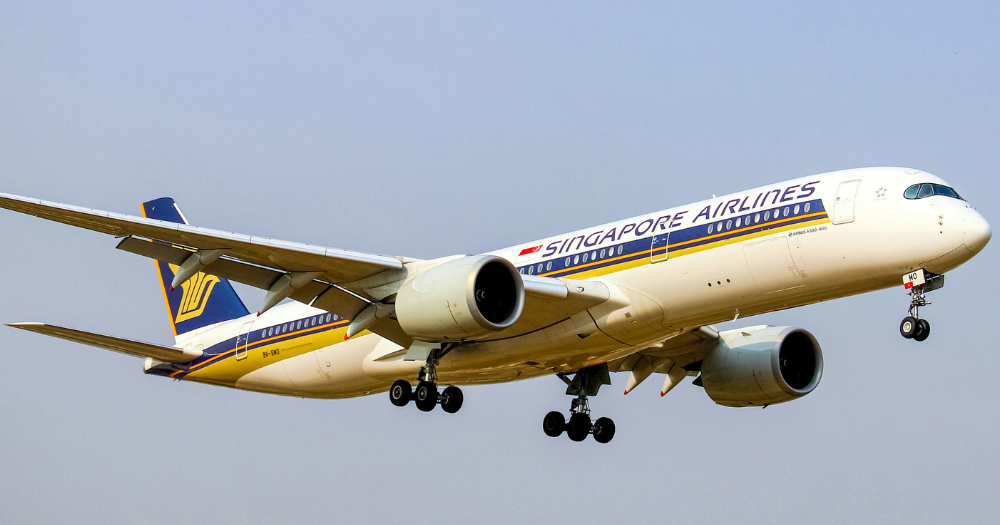
Singapore Airlines reported a S$76 million net loss for the quarter, despite a record S$5.71 billion in revenue. The loss was due to high fuel costs and losses from Air India.
Singapore Airlines made a lot of money from selling tickets and cargo, but it also spent a lot of money on fuel. The high fuel prices made the airline lose money, even though it made a record amount of money from selling tickets and cargo.
Analysis
A Record Revenue, A Net Loss: The Paradox of SIA's Quarterly Results
Singapore Airlines (SIA) has reported a net loss of S$76 million for the three months ended Jun. 30, 2026, despite achieving a record S$5.71 billion in revenue. This paradoxical result is a testament to the challenges faced by the airline in the current market.
The airline attributed the loss to surging jet fuel prices due to the Middle East conflict and a higher share of losses from Air India, in which it holds a 25.1% strategic stake. The high fuel costs have had a significant impact on the airline's operating profit, which dropped by 73.8% to S$106 million.
Despite the net loss, SIA's passenger revenue increased by 18.6% to S$4.58 billion, while cargo revenue grew by 33.5% to S$708 million. The airline's strong demand for air travel has been a key driver of its revenue growth.
However, the airline's expenditure during this period rose by 27.9% to S$5.61 billion, with most of it accounted for by fuel. The airline spent S$2.25 billion on fuel, a surge of 78.5%.
The group shared that jet fuel, typically priced on a lagged basis, more than doubled in cost over the quarter due to the Middle East conflict. While SIA and Scoot have adjusted air fares and cargo rates to help mitigate this, these measures do not fully offset the impact of significantly higher fuel prices.
The airline's turnaround could take up to a decade, longer than previously projected, said the chairman of Tata Sons, which owns Air India, in a Jul. 27 annual report. The airline faces several challenges including persistent supply-chain disruptions in key components, the need to overhaul legacy systems, culture, and fleet, and the need to build a larger technical and airline workforce.
SIA Group assured that, against the backdrop of this net loss, it will 'continue to seize growth opportunities, leveraging its well-diversified global passenger and cargo network'. The airline's ability to adapt to the changing market conditions will be crucial in its future success.
Key points
- Singapore Airlines reported a net loss of S$76 million for the three months ended Jun. 30, 2026, despite a record S$5.71 billion in revenue.
- The loss was due to high fuel costs and losses from Air India.
- The airline's passenger revenue increased by 18.6% to S$4.58 billion, while cargo revenue grew by 33.5% to S$708 million.
- The airline's expenditure during this period rose by 27.9% to S$5.61 billion, with most of it accounted for by fuel.
If the airline can find ways to reduce its fuel costs and improve its efficiency, it may be able to turn its losses into profits. Additionally, the airline's strong demand for air travel and cargo revenue growth are positive signs for its future success.
The airline's high fuel costs and losses from Air India are significant challenges that it needs to address. If the airline is unable to find ways to reduce its fuel costs and improve its efficiency, it may continue to face losses in the future.