Silent Suffering in Gaza: Children Who No Longer Speak
BBC reports that severe trauma is leaving some children in Gaza unable to speak, as therapists describe widespread psychological damage from the war.
Intelligence analysis by GPT-5.4 Mini
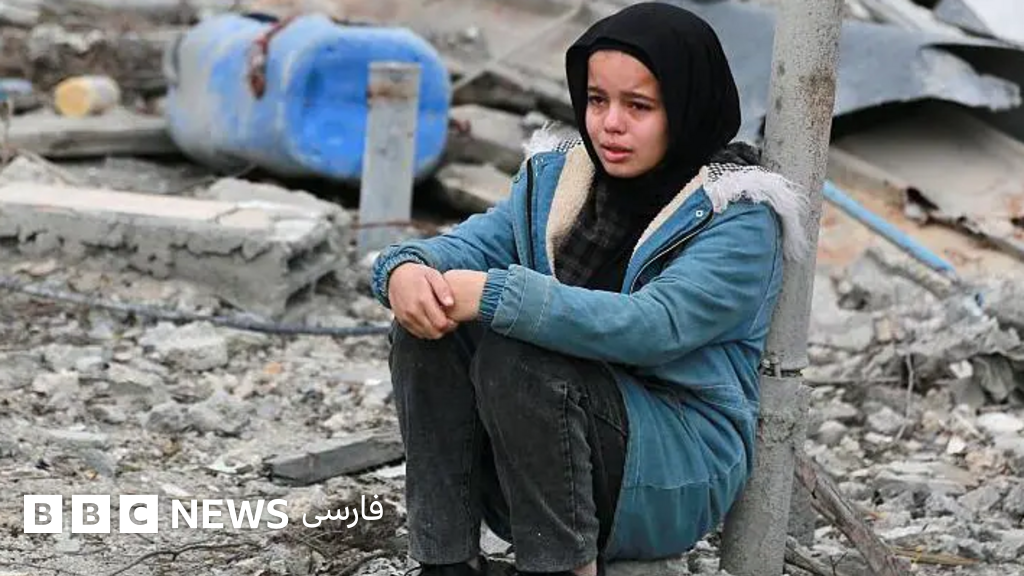
BBC Mundo says some children in Gaza have shut down emotionally and stopped speaking after repeated exposure to violence, displacement and death. A child psychotherapist describes the silence as a trauma response, not a conscious choice.
The article says some Gaza children are so scared and hurt by war that their minds seem to switch off, like a phone battery running flat. A therapist says tiny things like soap bubbles can help them slowly come back.
Analysis
What the report describes
BBC Mundo focuses on children in Gaza who have become silent after prolonged exposure to war, fear, and loss. The article centers on Adam, a child who had once been lively and talkative but stopped communicating after the conflict forced his family into displacement.
Trauma and silence
Child psychotherapist Catherine Glatz Brubakk says the silence is not a deliberate choice. In her account, it is a nervous-system response to overwhelming stress: when children cannot cope with constant danger, some become withdrawn rather than outwardly distressed. She says no child in Gaza has escaped psychological harm, and that more than one million children have suffered severe trauma.
The article links this trauma to repeated displacement, the destruction of homes and schools, and exposure to death and human remains. Brubakk says children need basic safety to develop normally, but that sense of security has been stripped away in Gaza.
Why the article frames recovery as small and practical
The report notes that Brubakk worked in Gaza during two missions with Doctors Without Borders in 2024 and 2025. In one scene, she makes soap bubbles with a young girl at Nasser Hospital, describing them as “bubbles of hope.” The article suggests that recovery may begin with very small, gentle interactions that help children reconnect with others.
The broader war context
The piece places these stories against the wider war: it cites UNICEF figures saying more than 20,000 children have been killed and more than 41,000 injured in Gaza since October 2023. It also notes that after the ceasefire announcement, violence has continued, with Gaza’s health ministry saying hundreds have still been killed in subsequent Israeli strikes. The article presents the situation as an ongoing humanitarian and psychological disaster, not a closed chapter.
Key points
- Some children in Gaza have stopped speaking after repeated trauma, according to a child psychotherapist interviewed by BBC Mundo.
- The report says this silence is a nervous-system response to overwhelming stress, not a voluntary decision.
- Brubakk says Gaza’s children have faced displacement, destroyed schools, dead relatives, and exposure to human remains.
- The article cites UNICEF figures saying more than 20,000 children have been killed and over 41,000 injured since October 2023.
- Small acts of play, such as making soap bubbles, are presented as one possible first step toward recovery.
If the violence eases and children can stay in safer places, therapy and simple, steady care may help some recover their voice and trust again. The article suggests that small human connections, like play and calm routine, can be a starting point for healing.
If fighting and displacement continue, more children may shut down emotionally instead of recovering. The article also suggests that repeated trauma, loss, and lack of safe spaces could leave long-term damage to speech, trust, and development.