Silicon Valley faces Democratic reckoning after betting on Trump
Silicon Valley tech leaders, notably Elon Musk, who heavily backed Donald Trump, now face potential legal scrutiny and subpoenas from a newly empowered Democratic Congress after midterm elections where AI concerns influenced voters.
Intelligence analysis by Gemini 2.5 Flash
Following Democratic gains in the midterm elections, prominent Silicon Valley figures who aligned with former President Trump, particularly through significant financial contributions and advisory roles, are bracing for a "reckoning." Democrats, now controlling key congressional committees, are threatening subpoenas and hearings, focusing on issues like market dominance and the societ…
Imagine some really smart grown-ups who make cool gadgets and apps gave a lot of money to one team in a big election. Now that the other team won, those gadget-makers might get called in for a serious talk, like when you have to explain why you didn't do your homework. People are also worried about super-smart computer brains, called AI, and how they might change jobs or affect kids, which made some voters choose the winning team.
Analysis
Elon Musk
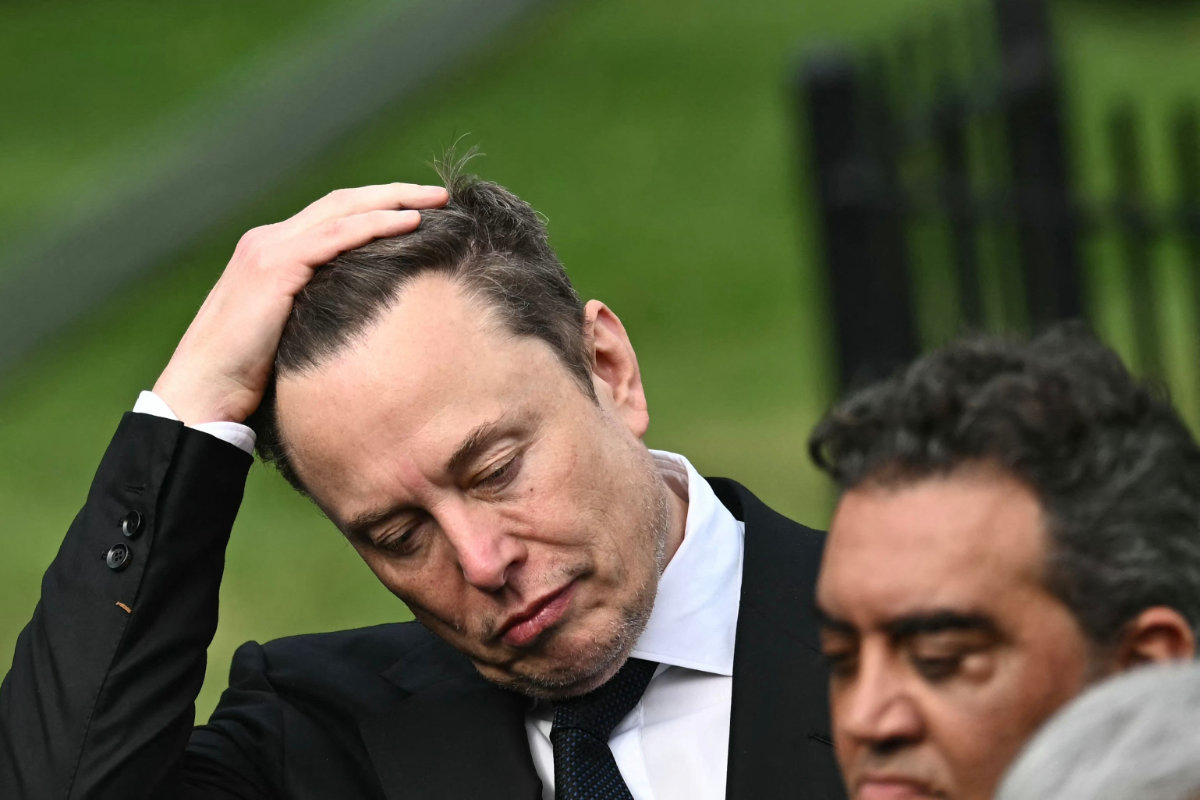
Elon Musk, CEO of Tesla and SpaceX, emerged as a central figure in Silicon Valley's political alignment with Donald Trump, making substantial financial commitments to Republican campaigns. The article highlights his significant contributions, including over $250 million to help elect Trump in 2024 and nearly half a billion dollars more to back Republicans in the midterms. Beyond financial support, Musk took an active role, reportedly taking charge of Trump's DOGE cost-cutting drive and serving as one of his closest advisors on AI.
This deep entanglement now places Musk directly in the crosshairs of the incoming Democratic Congress. His previous close relationship with the Trump administration, once a source of influence, has become a liability. He faces the prospect of being called to testify under oath in congressional hearings, a stark reversal of fortunes from his advisory role, underscoring the personal and professional risks associated with such overt political partisanship in the volatile US political landscape.
Senator Ed Markey
Senator Ed Markey represents the aggressive stance that Democrats are prepared to take against tech executives who aligned with the previous administration. His warning to tech bosses about needing to "plant new forests for all of the subpoenas we’ll be printing" is a clear signal of the impending legislative and investigative pressure. This rhetoric indicates a significant shift from the previous political environment, where many tech leaders enjoyed closer ties with the executive branch.
With Democrats gaining control of both chambers of Congress, they will command the committees empowered to compel executive testimony and demand internal documents under threat of prosecution. This institutional power allows them to revisit issues of market dominance, as seen in 2020 when the heads of Amazon, Apple, Facebook, and Google were summoned. Figures like Musk, OpenAI’s Sam Altman, or Nvidia’s Jensen Huang could now face similar rigorous questioning, marking a new era of accountability for the tech industry.
Data Centers
The role of artificial intelligence and its infrastructure, particularly data centers, emerged as a surprisingly potent electoral issue in the recent midterms. According to an NBC News exit poll, concerns about AI and data centers were a "crucial or a major factor" for 56 percent of voters in their congressional choices. This indicates a growing public distrust and anxiety regarding the social and economic impacts of AI, including its effects on jobs and children, which directly translated into votes against candidates perceived as pro-tech or aligned with the previous administration.
This public sentiment has tangible economic consequences for the tech industry. Chamath Palihapitiya, a prominent Silicon Valley investor, warned that "the only way to sink the AI trade is to sink the data centers." Market analyst Dan Ives, typically bullish on tech, now estimates that 10 percent of the 800 to 1,000 new data centers planned in the United States "will not happen." This suggests that the political and public backlash could lead to a significant slowdown in infrastructure development crucial for AI expansion, impacting investment and growth in the sector.
Key points
- Silicon Valley tech leaders, including Elon Musk, face Democratic scrutiny after supporting Donald Trump.
- Democrats, gaining control of Congress, are threatening subpoenas and hearings for tech CEOs.
- Voter concerns about artificial intelligence and data centers significantly influenced midterm election outcomes.
- Some Democrats advocate for a "full-on pause" in powerful AI development and a US-China treaty on superintelligence.
- Market analysts predict a reduction in planned data center projects due to public distrust and political shifts.
The increased scrutiny from Congress could lead to more responsible development and deployment of AI technologies, addressing public concerns about job displacement and ethical implications. This could foster greater public trust in the tech sector and potentially lead to bipartisan efforts to establish clear regulatory frameworks that balance innovation with societal well-being.
The political backlash against tech, particularly regarding AI, could stifle innovation through excessive regulation or a "full-on pause" as proposed by some Democrats. This could lead to a slowdown in technological advancement, potentially causing economic repercussions and hindering the US's competitive edge in critical emerging technologies.