Singapore grants conditional approvals to import solar power from Malaysia
Singapore's Energy Market Authority has granted conditional approvals to two companies to import 900 megawatts of electricity from Malaysia, as part of the country's push to decarbonise its power sector.
Intelligence analysis by Llama
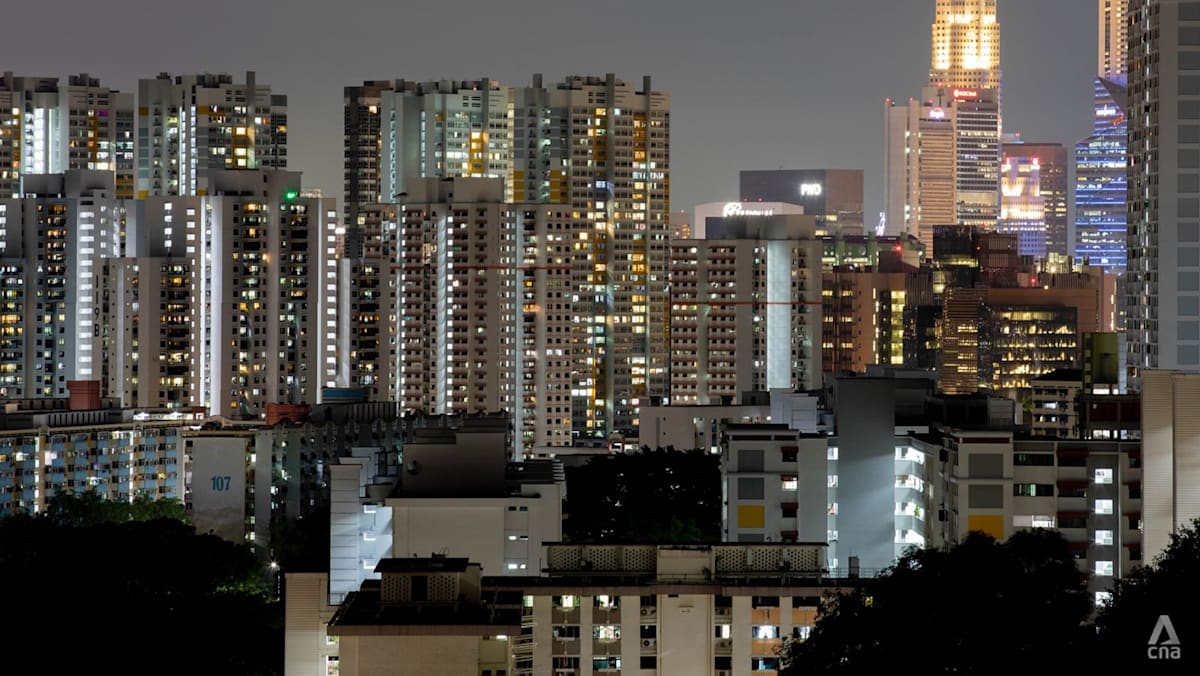
Singapore has granted conditional approvals to two companies to import 900 megawatts of electricity from Malaysia, as part of the country's push to decarbonise its power sector. The projects will supply power generated from solar and battery energy storage systems in Johor.
Imagine Singapore getting electricity from Malaysia. This is happening because Singapore wants to reduce its carbon emissions. The electricity will come from solar and battery energy storage systems in Johor, Malaysia. It's like a big power-sharing deal between the two countries.
Analysis
Conditional Approvals for Solar Power Import Projects
The Energy Market Authority (EMA) has granted conditional approvals to two companies to import 900 megawatts (MW) of electricity from Malaysia, as part of Singapore's continued push to decarbonise its power sector. The projects will supply power generated from solar and battery energy storage systems in Johor.
The approvals were granted to Sembcorp Utilities for a proposed capacity of 300MW, and Southern Solar Alliance, a subsidiary of Malaysian developer Ditrolic Energy Holdings, for a proposed capacity of 600MW. Both companies are targeting to begin commercial operations around 2029.
Before that, they must secure regulatory approvals across jurisdictions, finalise power purchase agreements, obtain financing and meet key development milestones to reach financial close. In a separate media release on Friday, Sembcorp said power would be generated from a floating solar and battery energy storage project at Linggiu Reservoir in Johor.
“The project will leverage the existing and future subsea interconnection infrastructure between both countries to facilitate cross-border power flows and strengthen regional energy connectivity,” Sembcorp said.
The conditional approvals come amid growing momentum in energy cooperation between Singapore and Malaysia. Earlier initiatives include a conditional approval to import 1 gigawatt (GW) of low-carbon electricity from Sarawak , as well as a joint development agreement between Singapore Energy Interconnections, SP Group and Tenaga Nasional Berhad to study a second electricity interconnection of up to 2GW between Singapore and Peninsular Malaysia.
To date, EMA has granted conditional approvals and conditional licences to 13 electricity import projects from Australia, Cambodia, Indonesia, Malaysia and Vietnam. “EMA will continue to engage companies with credible and commercially viable import proposals that can contribute to the decarbonisation of the power sector,” the agency added.
The conditional approvals are part of Singapore's strategy to decarbonise its power sector through low-carbon electricity imports. The power sector currently accounts for 40 per cent of Singapore’s carbon emissions. Singapore aims to import about 6 GW of low-carbon electricity by 2035 – about one-third of Singapore's energy demand.
Also read: Demand for solar power rises in Singapore, but condos face barriers to adoption Singapore studies hydrogen adoption as power firms prepare for cleaner fuel
Key points
- Singapore's Energy Market Authority has granted conditional approvals to two companies to import 900 megawatts of electricity from Malaysia.
- The projects will supply power generated from solar and battery energy storage systems in Johor.
- The conditional approvals come amid growing momentum in energy cooperation between Singapore and Malaysia.
- Singapore aims to import about 6 GW of low-carbon electricity by 2035 – about one-third of Singapore's energy demand.
If this development plays out positively, it could lead to a significant reduction in Singapore's carbon emissions. This, in turn, could make Singapore a leader in renewable energy and attract more investments in the sector.
However, there are risks associated with this development. For instance, the reliability of the power supply from Malaysia could be affected by various factors such as weather conditions, technical issues, or political instability.