Slaves and Rebels: In America, Jemmy 'Cato''s March to Florida
The article details the Stono Rebellion of 1739 in South Carolina, where enslaved people led by Jemmy 'Cato' revolted and marched towards Spanish Florida seeking freedom.
Intelligence analysis by Gemini 2.5 Flash
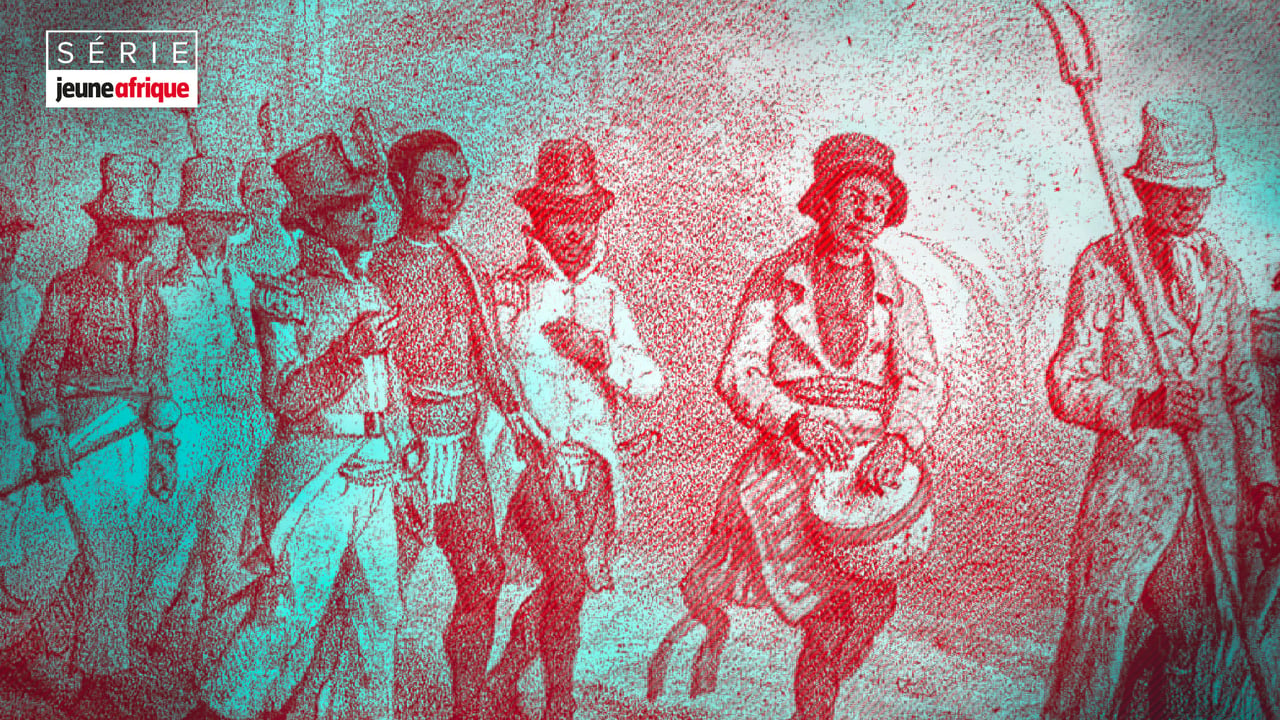
This historical account from Jeune Afrique revisits the Stono Rebellion, a significant slave uprising in 1739 British South Carolina. It highlights the agency of enslaved individuals, particularly those from Angola, who sought liberty in Spanish Florida, a territory offering freedom for strategic reasons, and the brutal suppression that followed their courageous act.
Imagine a long, long time ago, in a place called South Carolina, some people who were forced to work, led by a brave man named Jemmy, decided they wanted to be free. They marched towards a place called Florida, where they heard they could be free, like a secret escape route. But it was a very dangerous journey, and even though they fought hard, many brave people lost their lives trying to escape.
Analysis
The Stono Rebellion
The Stono Rebellion, which erupted on September 9, 1739, near the Stono River in South Carolina, marked one of the largest slave uprisings in the British colonies of North America. Approximately twenty enslaved individuals, led by a man named Jemmy, initiated the revolt by attacking an arms and ammunition warehouse, killing two men. Their rallying cry was "Liberty," and their destination was Spanish Florida, where freedom was promised.
South Carolina at the time was an economy heavily reliant on slavery, with enslaved people constituting two-thirds of the population, numbering around 40,000. The demand for labor on tobacco and rice plantations was immense, and epidemics like malaria and smallpox deterred European immigration, further entrenching the reliance on enslaved African labor. The white population, fearing the demographic imbalance, enacted the Security Act of 1739, which mandated white men to carry weapons to church on Sundays, a day when slaves often worked unsupervised, thus making them potential targets.
Spanish Florida's Promise
The promise of freedom in Spanish Florida was a significant catalyst for the Stono rebels. Located just tens of kilometers away, Spanish Florida offered emancipation to slaves escaping from British colonies, not out of altruism but as a strategic maneuver to destabilize its British rivals. The conditions for freedom typically included conversion to Catholicism, a detail that the rebels, many of whom were Christianized and literate, would have been aware of.
Many of the Stono rebels originated from present-day Angola, then part of the Kingdom of Kongo. These individuals were often familiar with Portuguese, had been Christianized, and were likely accustomed to handling weapons due to civil wars in their homeland. This background made them particularly prepared for organized resistance. Their knowledge of the recently passed, though not yet promulgated, Security Act of 1739 likely informed their timing, seeing it as an opportune moment to act before its full enforcement.
Jemmy "Cato"
Jemmy, also known as "Cato" after the family he belonged to, was the pivotal leader of this audacious march for freedom. Under his leadership, the initial group swelled to between 60 and 100 individuals as they moved south, burning six plantations and killing approximately 25 white settlers. The rebels covered about 25 kilometers, reaching the Edisto River, before facing a brutal counterattack.
The retaliation was swift and severe. A heavily armed militia of slave owners caught up with the rebels the following day, September 10. The ensuing confrontation resulted in a grim toll of 70 deaths, including 47 Black individuals and 23 white individuals. The article notes that the number of white casualties was higher than in previous uprisings. The aftermath was equally tragic: those who survived the battle were relentlessly hunted down, with some executed and others sold into slavery in the West Indies, marking a devastating end to their quest for liberty.
Key points
- The Stono Rebellion, a significant slave uprising, occurred on September 9, 1739, in South Carolina.
- Led by Jemmy, also known as 'Cato,' approximately 60-100 enslaved people revolted and marched towards Spanish Florida.
- Spanish Florida offered freedom to slaves from British colonies as a strategic move to destabilize its rivals.
- Many rebels were from Angola, Christianized, literate, and potentially experienced in handling weapons.
- The revolt resulted in significant casualties on both sides and was brutally suppressed, with survivors executed or sold into slavery.
The Stono Rebellion, despite its tragic end, stands as a powerful testament to the unwavering human desire for freedom and the active resistance of enslaved people. It serves as an enduring symbol of courage and defiance against oppression, inspiring future generations to continue the fight for justice and equality.
The brutal suppression of the Stono Rebellion and the subsequent reinforcement of oppressive laws, such as the Security Act of 1739, underscore the extreme violence and systemic fear used to maintain slavery. This event highlights the severe risks and devastating consequences faced by enslaved populations who dared to resist, reinforcing the harsh realities of their existence.

