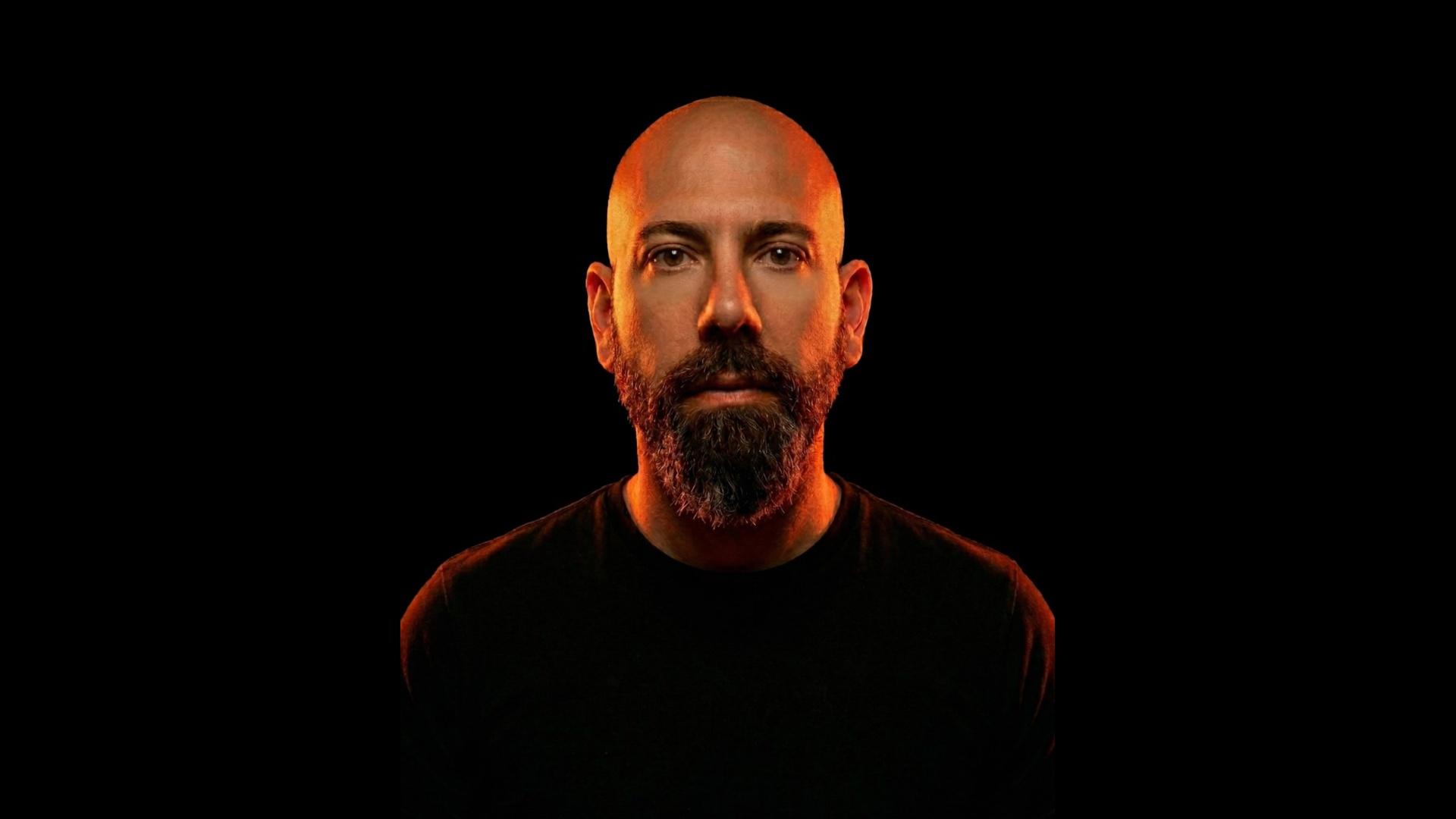
Solana Institute CEO says CLARITY Act must shield open-source developers
Solana Institute CEO Kristin Smith urged the Senate to keep developer protections in the CLARITY Act, saying open-source builders should not be treated as intermediaries.
Intelligence analysis by GPT-5.4 Mini

Kristin Smith said the CLARITY Act could move forward in the Senate, but only if it preserves protections for open-source developers, validators, and non-custodial wallet providers. Her argument is that these actors do not control customer funds or execute trades, so they should not be regulated like brokers or custodians.
The story is about rules for crypto code builders. Kristin Smith says people who write the software should not be treated like bank workers if they do not hold anyone’s money, like blaming the person who wrote a recipe for how a cake turns out.
Analysis
What Smith is asking for
Solana Institute CEO Kristin Smith is pressing the U.S. Senate to pass the CLARITY Act without weakening protections for open-source developers. Her core argument is that people who write code, run validators, or provide non-custodial wallet software do not hold user funds or directly execute transactions, so they should not be regulated like brokers or custodians.
Why the developer question matters
Smith said more than 60 crypto executives and founders, including Solana co-founder Anatoly Yakovenko, signed an open letter asking senators to keep those protections intact. The concern is that if software publishers or infrastructure providers are treated as financial intermediaries simply because other people use their code, then open-source development could face unnecessary legal exposure.
The legislative backdrop
The article says the CLARITY Act cleared the Senate Banking Committee in May and has been placed on the Senate Legislative Calendar, which raises the possibility of a floor vote later this summer. Smith pointed to the Blockchain Regulatory Certainty Act, introduced in January by Senators Cynthia Lummis and Ron Wyden, as a related effort to give legal certainty to noncontrolling developers and infrastructure providers that do not custody assets or control transactions.
Broader regulatory signal
Smith’s comments line up with remarks from SEC Commissioner Hester Peirce, who recently argued that publishing open-source blockchain code is generally protected speech and that developers should not be treated as financial intermediaries just because others use their software. The article also notes that the SEC’s posture toward digital assets has shifted under Chair Paul Atkins, who has said he wants to end the agency’s “regulation through enforcement” approach.
Key points
- Kristin Smith wants the Senate to keep developer protections in the CLARITY Act.
- She argues open-source developers, validators, and non-custodial wallets are not brokers or custodians.
- More than 60 crypto CEOs and founders reportedly signed an open letter supporting that position.
- The CLARITY Act has already cleared the Senate Banking Committee and is on the legislative calendar.
- The article links the debate to broader SEC views on open-source code and protected speech.
If the Senate keeps developer protections in the CLARITY Act, open-source builders could get more legal certainty. That could make it easier for blockchain teams, validators, and wallet providers to keep building in the U.S. without fearing they will be treated like financial middlemen.
If lawmakers strip out those protections, open-source developers could face broader regulatory risk even when they do not control funds or transactions. That could discourage some builders from shipping code or operating infrastructure in the U.S., especially if the legal line stays unclear.