Somali referee barred from entering the US says he has been kept from the biggest dream of his life
Omar Abdulkadir Artan was denied entry to the United States despite valid papers and returned to Somalia. He says the decision has blocked one of his biggest career goals.
Intelligence analysis by GPT-5.4 Mini
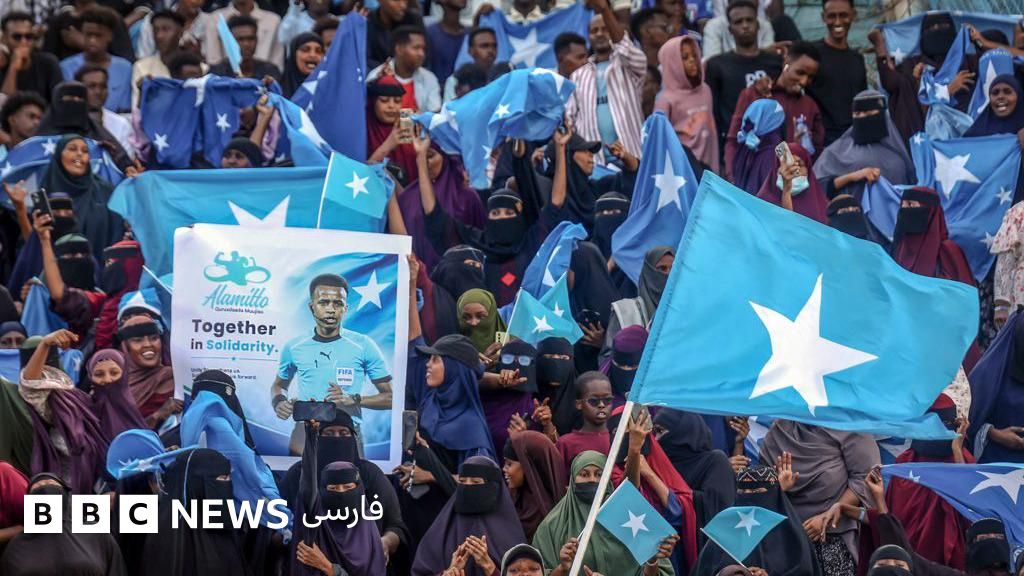
Artan, named Africa's best referee in 2025, was turned back after arriving in Miami and says the ban has kept him from a lifelong ambition. The story also highlights the wider US travel ban list, which includes Iran, and the knock-on effects for World Cup officiating plans.
A very good referee from Somalia was stopped at the US border, even though he had the right papers. It was like being invited to a big game and then being told he could not enter the stadium at the gate.
Analysis
What happened
Omar Abdulkadir Artan, a Somali referee who was selected as Africa's best referee in 2025, returned home after being denied entry to the United States. According to the article, he had a valid visa and Somalia had issued him a diplomatic passport, but border officers stopped him at Miami International Airport.
Artan said he was questioned for 11 hours and was asked about possible links to al-Shabaab, which he denied. He was then kept in a room before being put on a flight to Istanbul and sent back to Somalia.
Why this matters
The article places his case inside a wider US travel ban that includes Somalia and 19 other countries, among them Iran and Afghanistan. That policy context is central to the story because it shows the decision was not only about one referee, but about a broader restriction affecting people from multiple countries.
Artan told the BBC he had been denied "the biggest dream" of his life. He also urged young Somalis not to let the incident discourage them or make them lose pride in their country.
FIFA and the World Cup impact
The article says FIFA thanked Artan for its support, but also indicated he cannot officiate matches in Mexico and Canada because the referees for the 2026 World Cup are expected to train in Miami. That means the entry ban could limit his role in one of football's biggest events, even though the tournament is jointly hosted by the US, Mexico, and Canada.
The piece also notes that Artan wants to keep preparing for the 2030 World Cup in Spain, Portugal, and Morocco, suggesting he is still trying to move his career forward despite the setback.
Key points
- Omar Abdulkadir Artan was denied entry to the United States at Miami airport despite holding a visa and a diplomatic passport.
- He said he was questioned for 11 hours and asked about alleged links to al-Shabaab, which he denied.
- Artan returned to Somalia and said he had been kept from one of the biggest dreams of his life.
- The article says the US travel ban list includes Somalia, Iran, and Afghanistan among other countries.
- FIFA says Artan cannot officiate matches in Mexico and Canada because referee training for the 2026 World Cup is planned in Miami.
Artan still has recognition from FIFA and says he wants to prepare for the 2030 World Cup. If that path stays open, he could continue building his career and remain a role model for Somali football.
If the US entry ban stays in place, Artan may be shut out of the 2026 World Cup training setup in Miami and possibly lose more international opportunities. The article also suggests the ban could keep affecting talented people from listed countries even when they have valid documents.