Someone Just Inscribed the U.S. Constitution onto the Bitcoin Blockchain
An unknown actor inscribed the full U.S. Constitution on Bitcoin in a large OP_RETURN transaction that cost about $83 and confirmed in 14 minutes.
Intelligence analysis by GPT-5.4 Mini
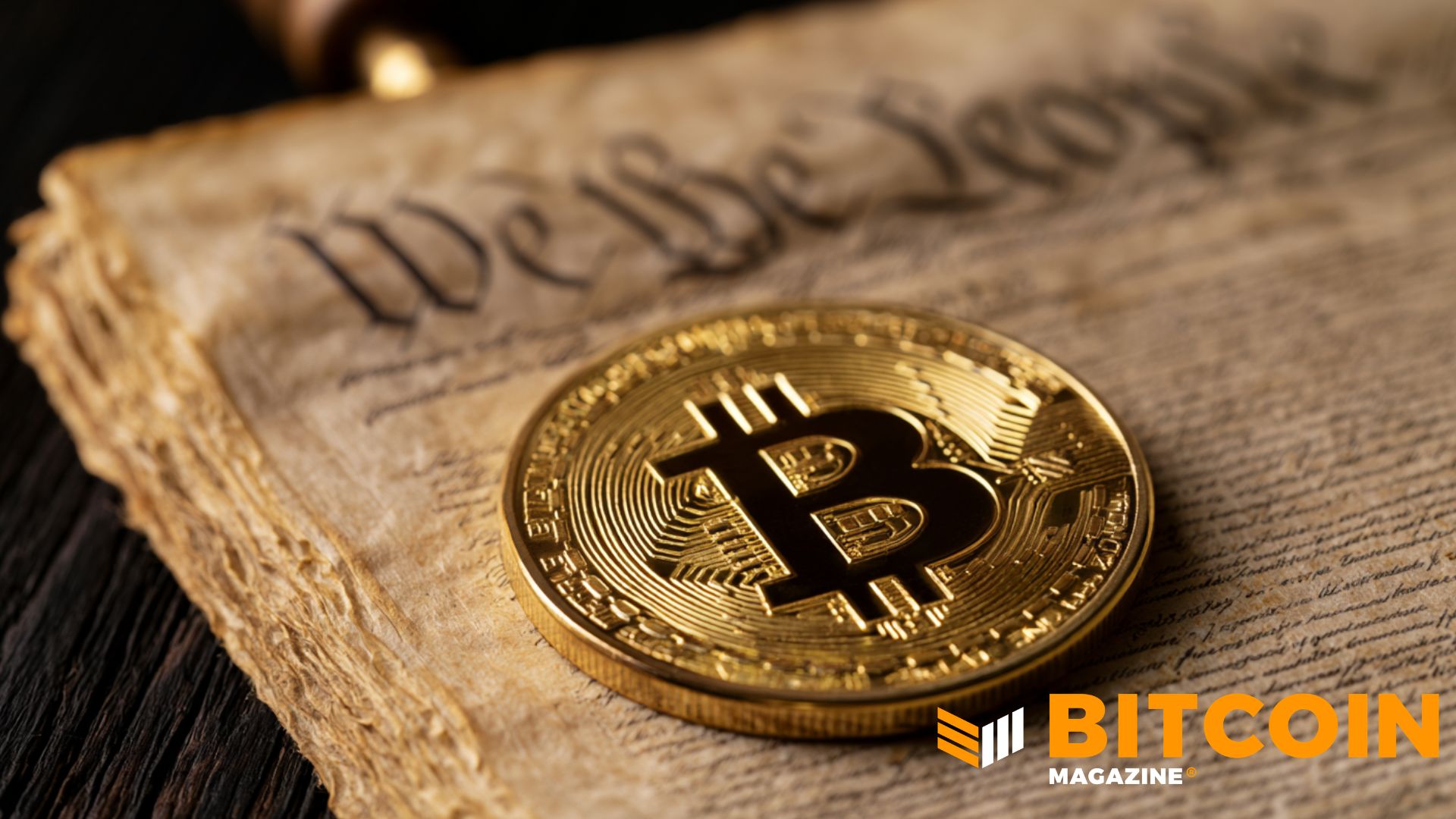
An unknown sender used Bitcoin’s expanded data-storage options to place the full text of the U.S. Constitution on-chain. The move highlights how recent protocol changes have made large, permanent inscriptions easier and reignited debate over Bitcoin’s role as money versus data storage.
Someone put the full U.S. Constitution into Bitcoin like writing a giant note on a public wall that nobody can erase.
Bitcoin usually moves money, but it can also carry small bits of data. This one used a special slot that lets people store information instead of coins.
It matters because some people want Bitcoin to stay focused on money, while others are okay with it being used like a permanent notebook too.
Analysis
What happened
An unknown actor broadcast a Bitcoin transaction that embedded the full text of the U.S. Constitution on-chain. The article says the transfer was confirmed on May 28 at 8:25 p.m. UTC, cost 113,454 satoshis, and came to about $83.41 in fees. It was processed by SpiderPool 14 minutes after it hit the network.
The transaction was unusually large at 44.4 kilobytes. The bulk came from the Constitution text itself, which the article says was written into an OP_RETURN output field. That field is designed for arbitrary data and is marked unspendable, so it stores information rather than moving bitcoin.
Why this is notable
Bitcoin has carried arbitrary data before, but the article frames this as one of the first high-profile examples made possible by Bitcoin Core v30, which removed the old byte cap and one-OP_RETURN rule. The piece says developers argued the old limit was already being worked around and caused more problems than it solved.
The article places this inscription in a wider history of document anchoring and inscriptions, citing projects such as OpenTimestamps, DOCPROOF, Factom, and the Ordinals protocol. The distinction here is scale and symbolism: this was not a hash or image, but the full U.S. Constitution.
Broader context
The story lands while Bitcoiners are debating BIP-444, a proposal that would restore the old 83-byte OP_RETURN cap. Supporters argue unrestricted data storage weakens Bitcoin’s identity as a monetary network. The article does not identify the sender or give a reason for the inscription, leaving only the on-chain record itself.
Key points
- An unknown actor put the full text of the U.S. Constitution on the Bitcoin blockchain.
- The article says the transaction cost about $83.41 and was confirmed in 14 minutes.
- The inscription used `OP_RETURN`, a field meant for arbitrary data storage.
- Bitcoin Core v30 removed older `OP_RETURN` limits, making larger data inscriptions easier.
- The story feeds an ongoing debate over whether Bitcoin should remain a monetary network.