Sonam Wangchuk calls off hunger strike after 26 days
Indian education activist Sonam Wangchuk ended his 26-day hunger strike, demanding the resignation of Education Minister Dharmendra Pradhan over examination paper leaks. Prime Minister Narendra Modi released a video address, promising to bring a tougher law to check paper…
Intelligence analysis by Llama
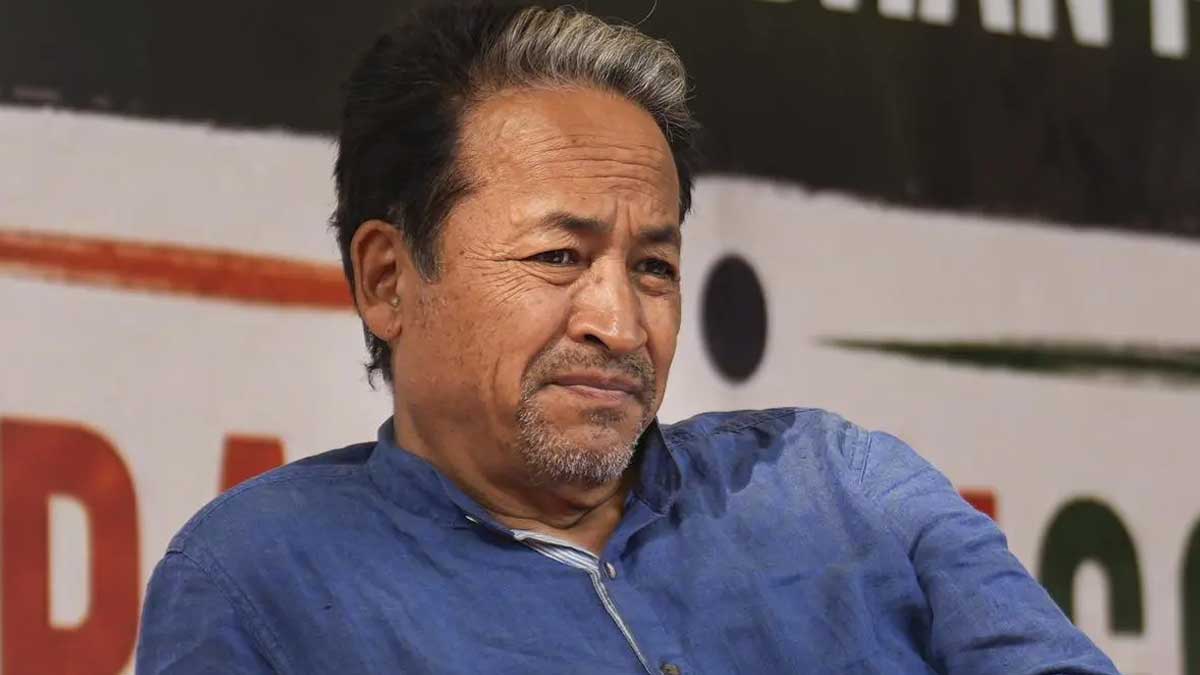
Sonam Wangchuk, an Indian education activist, has called off his 26-day hunger strike after a long negotiation with the government. He demanded the resignation of Education Minister Dharmendra Pradhan over examination paper leaks. Prime Minister Narendra Modi has promised to bring a tougher law to check paper leaks.
Sonam Wangchuk, an Indian education activist, was on a hunger strike for 26 days to demand the resignation of Education Minister Dharmendra Pradhan over examination paper leaks. He ended his strike after a long negotiation with the government. The government has promised to bring a tougher law to check paper leaks.
Analysis
A Long and Difficult Negotiation
Sonam Wangchuk's 26-day hunger strike has finally come to an end, but the underlying issues remain. The Indian education activist had been demanding the resignation of Education Minister Dharmendra Pradhan over a series of examination paper leaks. The leaks have forced millions of students to retake the exam, causing widespread frustration and anger.
Wangchuk's decision to end his hunger strike came after a long negotiation with the government. In a video address, he noted that he would describe the conditions of the negotiation in a separate video. The activist had been on a hunger strike since June 28 in solidarity with India's youth-led Cockroach Janta Party (CJP) that is demanding Pradhan's resignation.
The government has promised to bring a tougher law to check paper leaks. Prime Minister Narendra Modi released a video address on X, saying that the government was working on measures to fast-track court proceedings against those involved in the leaks. Modi called the leaks a 'matter of great pain' for hundreds of thousands of students, without mentioning Pradhan.
The protests against the examination paper leaks have been a significant challenge for Modi's government. Thousands of pro-CJP protesters have been rallying at New Delhi's Jantar Mantar protest site and cities across the country. The Jantar Mantar site has seen bouts of unrest and violence this week, with police firing tear gas and baton-charging demonstrators.
Rights groups Human Rights Watch and Amnesty International have condemned the Indian government over 'excessive use of force' by the police and suspension of mobile internet services at Jantar Mantar. The government's response to the protests has been criticized, with many calling for greater accountability and transparency.
The Road Ahead
The examination paper leaks and subsequent protests have highlighted the need for greater accountability and transparency in India's education system. The government's response to the crisis has been criticized, with many calling for greater action to prevent such leaks in the future.
Sonam Wangchuk's decision to end his hunger strike is a significant development, but the underlying issues remain. The government must take concrete steps to address the concerns of students and parents, and to prevent such leaks in the future.
Key points
- Sonam Wangchuk ended his 26-day hunger strike after a long negotiation with the government.
- He demanded the resignation of Education Minister Dharmendra Pradhan over examination paper leaks.
- Prime Minister Narendra Modi promised to bring a tougher law to check paper leaks.
- Thousands of pro-CJP protesters have been rallying at New Delhi's Jantar Mantar protest site and cities across the country.
- Rights groups Human Rights Watch and Amnesty International have condemned the Indian government over 'excessive use of force' by the police and suspension of mobile internet services at Jantar Mantar.
The government's promise to bring a tougher law to check paper leaks is a positive step. If implemented effectively, it could prevent such leaks in the future and restore trust in the education system.
The government's response to the protests has been criticized, with many calling for greater accountability and transparency. If the government fails to address the concerns of students and parents, the crisis could escalate further.