South Korea charges CATFI memecoin operators in first DEX rug-pull case: Report
South Korean prosecutors reportedly charged a group over a CATFI memecoin rug pull, in the country’s first DEX rug-pull prosecution.
Intelligence analysis by GPT-5.4 Mini
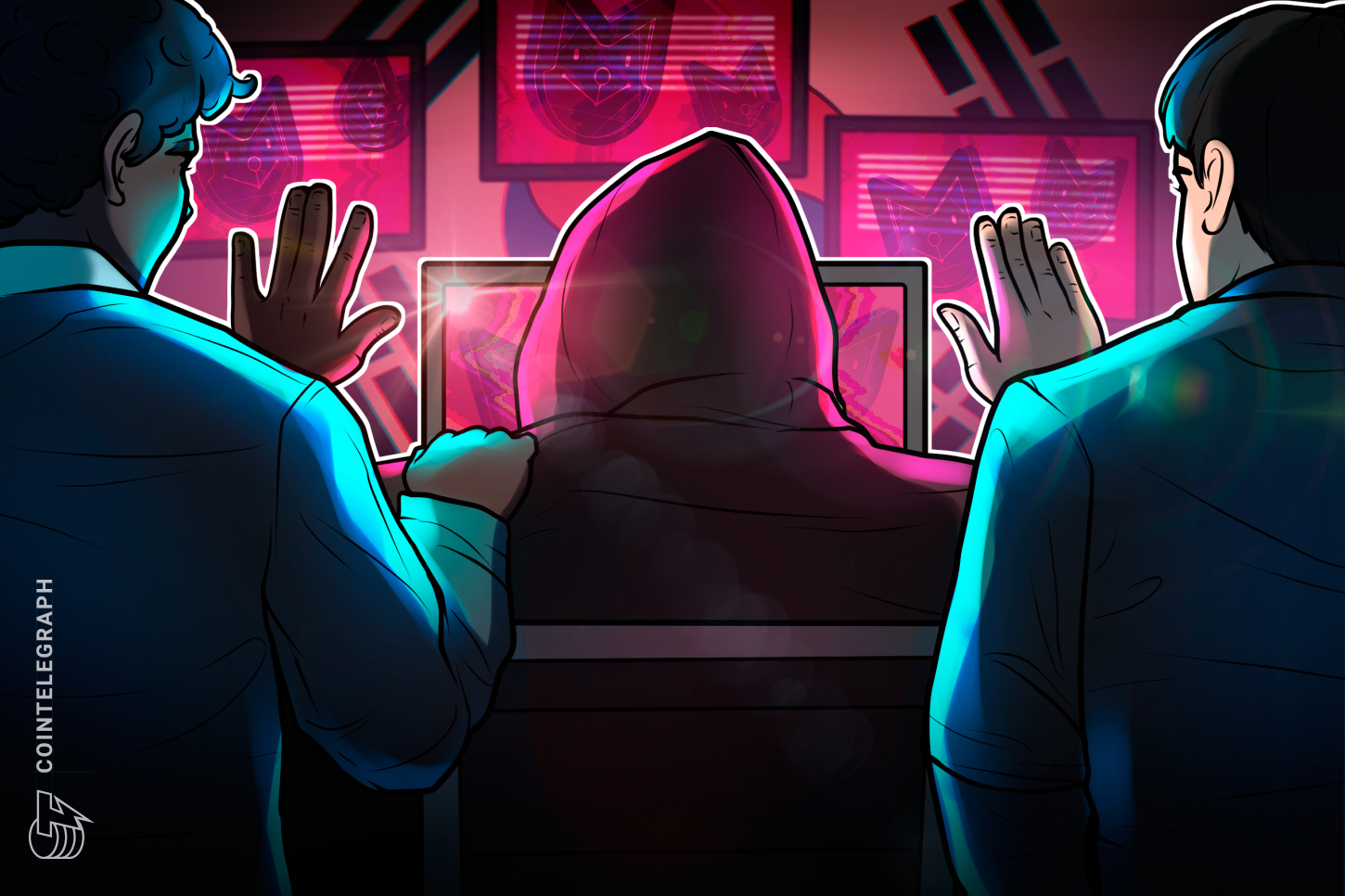
Prosecutors in South Korea reportedly moved against operators behind the Solana-based CATFI token after an alleged social-media promotion and dump scheme. The case is being described locally as the country’s first decentralized exchange rug-pull prosecution under crypto law.
South Korean police are reportedly going after people behind a memecoin called CATFI. They think the people used social media excitement to make the coin look popular, then sold it after the price shot up fast.
It is a bit like someone filling a balloon with air until it looks huge, then poking it and walking away. The people who bought late were left with almost nothing.
The story matters because it shows officials may be getting tougher on crypto scams, especially ones that use online hype and fast trading to trick people.
Analysis
What happened
South Korean prosecutors reportedly charged a group tied to the Solana-based memecoin Catpie, or CATFI, in what local media described as the country’s first decentralized exchange rug-pull case. The action was said to come from the Seoul Southern District Prosecutors’ Office’s Virtual Asset Crime Joint Investigation Division.
Alleged scheme
According to the report, the main suspect, surnamed Park, used the name “Eth Father” on social media and presented CATFI as if it were being backed by an independent third party. Prosecutors allege the group pushed the token online, drove its price up more than 1,000-fold in 26 hours, and then sold their holdings for about 400 million won, or about $260,000, in illegal profit.
The reported damage was about 900 million won, or roughly $599,000, affecting at least 256 investors. Cointelegraph said it contacted the Supreme Prosecutors’ Office for comment but had not received a response by publication.
Market context
The story also places the case against a weaker domestic crypto market in South Korea. Digital Asset Works reportedly said trading volume on major won-based exchanges had fallen to 8% of KOSPI stock market volume. Separately, CATFI itself has collapsed: after reaching an $8.99 million market cap in February 2025, it was down 99% to about $57,000 at the time of writing.
The report says 1,512 investors still held the token, and the largest holder controlled 18% of supply. The X account that promoted the project was deleted. For crypto traders, the case is another reminder that memecoin launches can be tightly linked to manipulation, quick cash-outs, and heavy losses for late buyers.
Key points
- South Korean prosecutors reportedly charged a group tied to the CATFI memecoin rug pull.
- Local media described it as the country’s first DEX rug-pull prosecution under crypto law.
- Prosecutors allegedly say the token was promoted on social media, pumped sharply, then dumped for profit.
- The report says about 256 investors were harmed and losses totaled roughly 900 million won.
- CATFI has reportedly fallen 99% from its peak market value.