South Korea economy expands 0.6% q/q in Q2, better than expected
South Korea's economy grew faster than market expectations in the second quarter, driven by a semiconductor export boom that offset a decline in construction investment.
Intelligence analysis by Llama
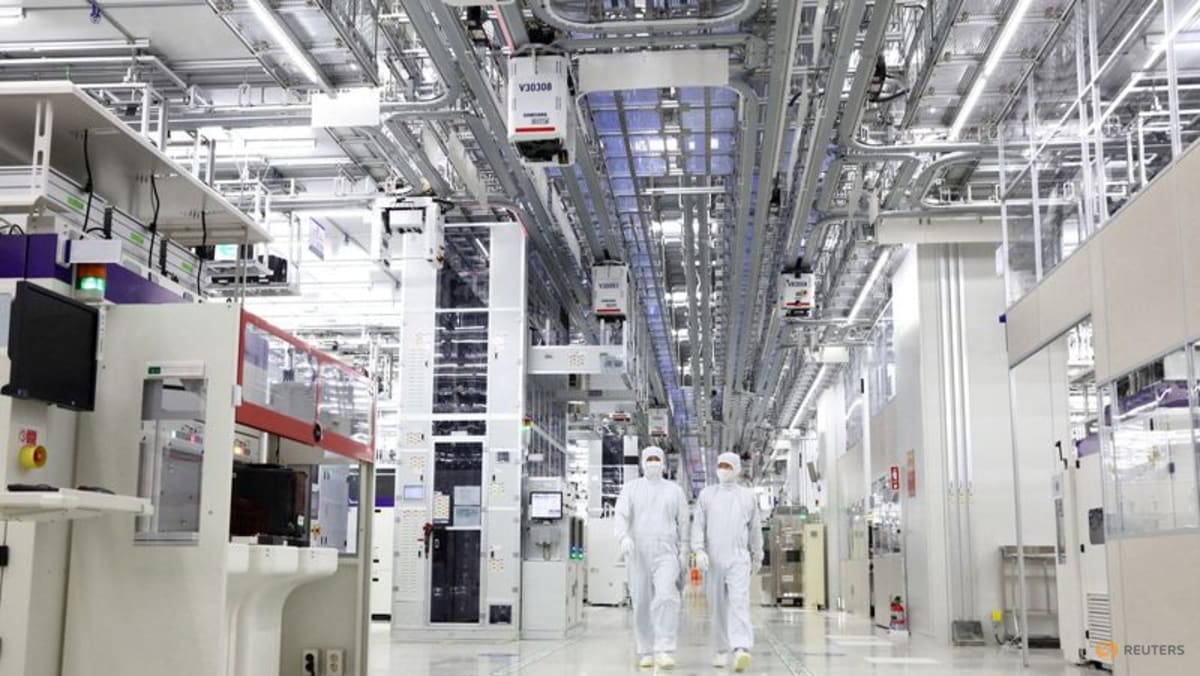
South Korea's economy expanded 0.6% in Q2, driven by a semiconductor export boom, despite a decline in construction investment. This growth is a result of chip-led growth, which is keeping the economic engine running.
The South Korean economy grew faster than expected in the second quarter, thanks to a boom in semiconductor exports. This growth is good news for the economy, but it also makes it vulnerable to fluctuations in global demand for semiconductors.
Analysis
A $60B Vote of Confidence
The South Korean economy's growth in Q2 is a testament to the resilience of its chip industry. Despite a decline in construction investment, the economy expanded 0.6% from a quarter earlier, driven by a 1.4% gain in exports. This growth is a result of chip-led growth, which is keeping the economic engine running. The central bank's decision to hike interest rates by 25 basis points in July is a sign that policymakers are confident in the economy's ability to withstand the tightening cycle.
Why Chip-Led Growth Matters
The South Korean economy's reliance on the chip industry is a double-edged sword. On the one hand, it provides a stable source of revenue and drives growth. On the other hand, it makes the economy vulnerable to fluctuations in global demand for semiconductors. The current growth trajectory suggests that the economy is able to adapt to these fluctuations, but it remains to be seen whether this can continue in the long term.
The Road Ahead
The South Korean economy's growth in Q2 is a positive sign, but it is not without its challenges. The decline in construction investment is a concern, as it suggests that the economy may be experiencing a slowdown in other sectors. Additionally, the central bank's decision to hike interest rates may have a negative impact on consumer spending and business investment. However, the economy's ability to adapt to these challenges and continue growing is a testament to its resilience.
Key points
- South Korea's economy grew 0.6% in Q2, driven by a semiconductor export boom.
- The economy's growth is a result of chip-led growth, which is keeping the economic engine running.
- The central bank's decision to hike interest rates by 25 basis points in July is a sign that policymakers are confident in the economy's ability to withstand the tightening cycle.
- The decline in construction investment is a concern, as it suggests that the economy may be experiencing a slowdown in other sectors.
If the current growth trajectory continues, the South Korean economy may be able to withstand the tightening cycle and continue growing. Additionally, the economy's reliance on the chip industry may provide a stable source of revenue and drive growth in the long term.
However, the decline in construction investment is a concern, as it suggests that the economy may be experiencing a slowdown in other sectors. Additionally, the central bank's decision to hike interest rates may have a negative impact on consumer spending and business investment.