South Korea’s rental housing success: A blueprint for Iran
South Korea has transformed its rental housing sector through decades of strategic public supply and policy innovation, offering valuable lessons for Iran.
Intelligence analysis by Llama
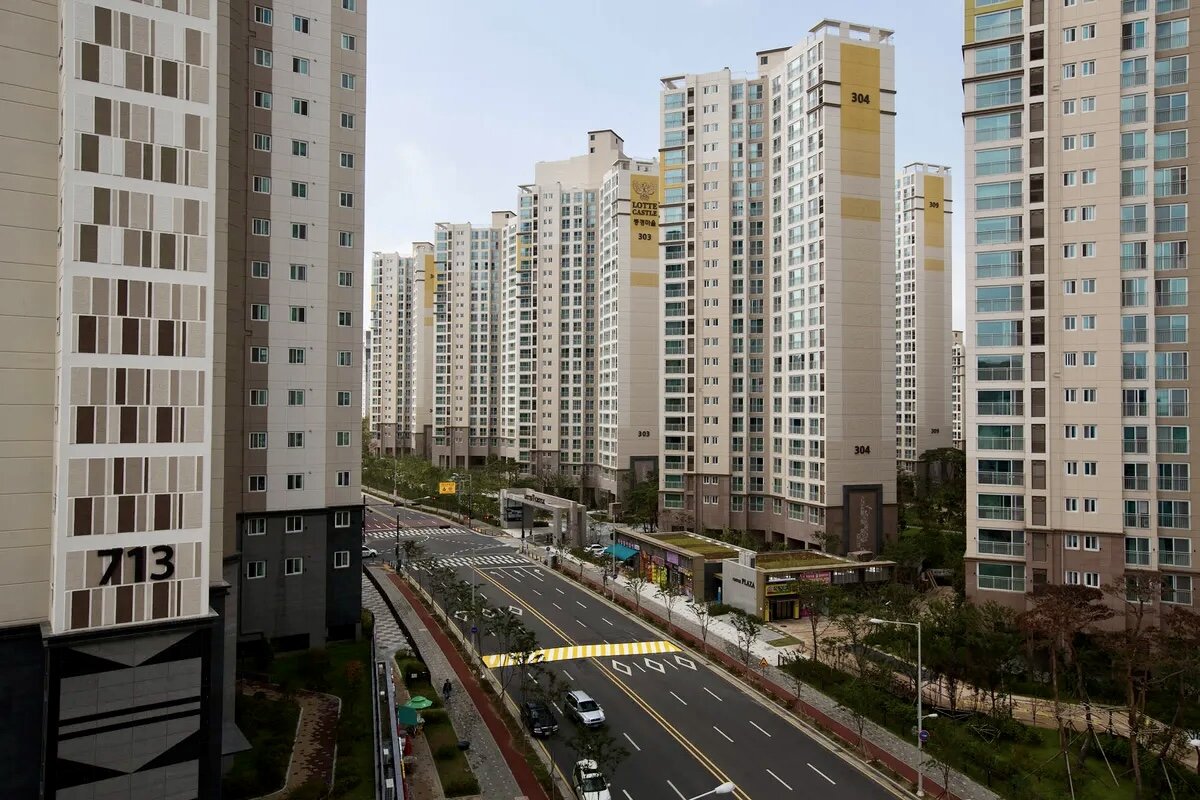
South Korea's rental housing success is a blueprint for Iran, with the country's public housing ratio rising from 5.3% in 2010 to 11.2% in 2024. The Korea Land and Housing Corporation plans to supply approximately 37,000 rental units in 2026, with 57% concentrated in the Seoul metropolitan area.
Imagine a country where people can afford to rent a home without breaking the bank. South Korea has made this a reality through innovative policies and public housing programs. They're sharing their success with Iran, which can help the country build more affordable homes for its citizens.
Analysis
South Korea’s Rental Housing Success: A Blueprint for Iran
South Korea has transformed its rental housing sector through decades of strategic public supply and policy innovation—achievements that now offer valuable lessons for Iran. At the heart of this knowledge transfer has been the active role of Ambassador Kim Junpyo and the South Korean Embassy in Tehran.
Korea’s achievements in rental housing are evident in the public housing ratio in Seoul, which rose from 5.3% in 2010 to 11.2% in 2024. The Korea Land and Housing Corporation (LH) plans to supply approximately 37,000 rental units in 2026—a 19% increase from 2025—with 57% concentrated in the Seoul metropolitan area. Beyond quantity, Korea has diversified its models: "Happy Housing" for youth, "Integrated Public Rental" for middle-class households, and the "We Stay" cooperative model offering rents 20–30% below market rates.
Seoul also received the prestigious Lee Kuan Yew World City Prize in 2018 for urban regeneration, and at the 2025 World Cities Summit, shared models like SHift and Mirinae Home. International confidence is evident, with the Canada Pension Plan Investment Board establishing a $350 million joint venture in Korea’s residential market.
Korea as a Model for Iran
In May 2025, Ambassador Kim Junpyo met with Iran’s Urban Regeneration Corporation and announced five joint projects for 2025, with housing development as the top priority. He stated, "We believe this cooperation can yield valuable results for both countries," and confirmed a joint housing seminar would be held in Iran. In August 2025, Ambassador Kim again attended a high-level meeting at Iran’s Transport Ministry, where a South Korean delegation—coordinated by UN-Habitat—presented Korea’s social rental housing model.
These diplomatic efforts, spearheaded by Ambassador Kim, have positioned Korea as a trusted partner. Iran’s Supreme Housing Council has already approved a limited rental supply program for low-income first-time buyers, and Korean expertise in public rental systems, long-term lease models like "Deundeun Jeonse," and fraud-reducing zero-deposit options can significantly accelerate Iran’s urban development goals.
Ambassador Kim’s Consistent Engagement
Through Ambassador Kim’s consistent engagement, South Korea is demonstrating that successful housing policy is not just a domestic achievement—it is a gift that can be shared. Iran-South Korea rental housing
Key points
- South Korea has transformed its rental housing sector through decades of strategic public supply and policy innovation.
- The Korea Land and Housing Corporation plans to supply approximately 37,000 rental units in 2026.
- Iran's Supreme Housing Council has already approved a limited rental supply program for low-income first-time buyers.
- Korean expertise in public rental systems, long-term lease models, and fraud-reducing zero-deposit options can significantly accelerate Iran's urban development goals.
If South Korea's rental housing model is successfully implemented in Iran, it could lead to a significant increase in affordable housing options for low-income families. This, in turn, could help reduce poverty and improve living standards in Iran.
However, the success of South Korea's rental housing model in Iran is not guaranteed. There are concerns that the model may not be adaptable to Iran's unique cultural and economic context, which could lead to implementation challenges and potential failures.