SpaceX’s Falcon 9 rocket crashes into Moon after 18 months adrift
A discarded SpaceX Falcon 9 upper stage has crashed into the Moon after drifting through space for over 18 months, creating a significant impact and offering a rare scientific opportunity.
Intelligence analysis by Gemini 2.5 Flash
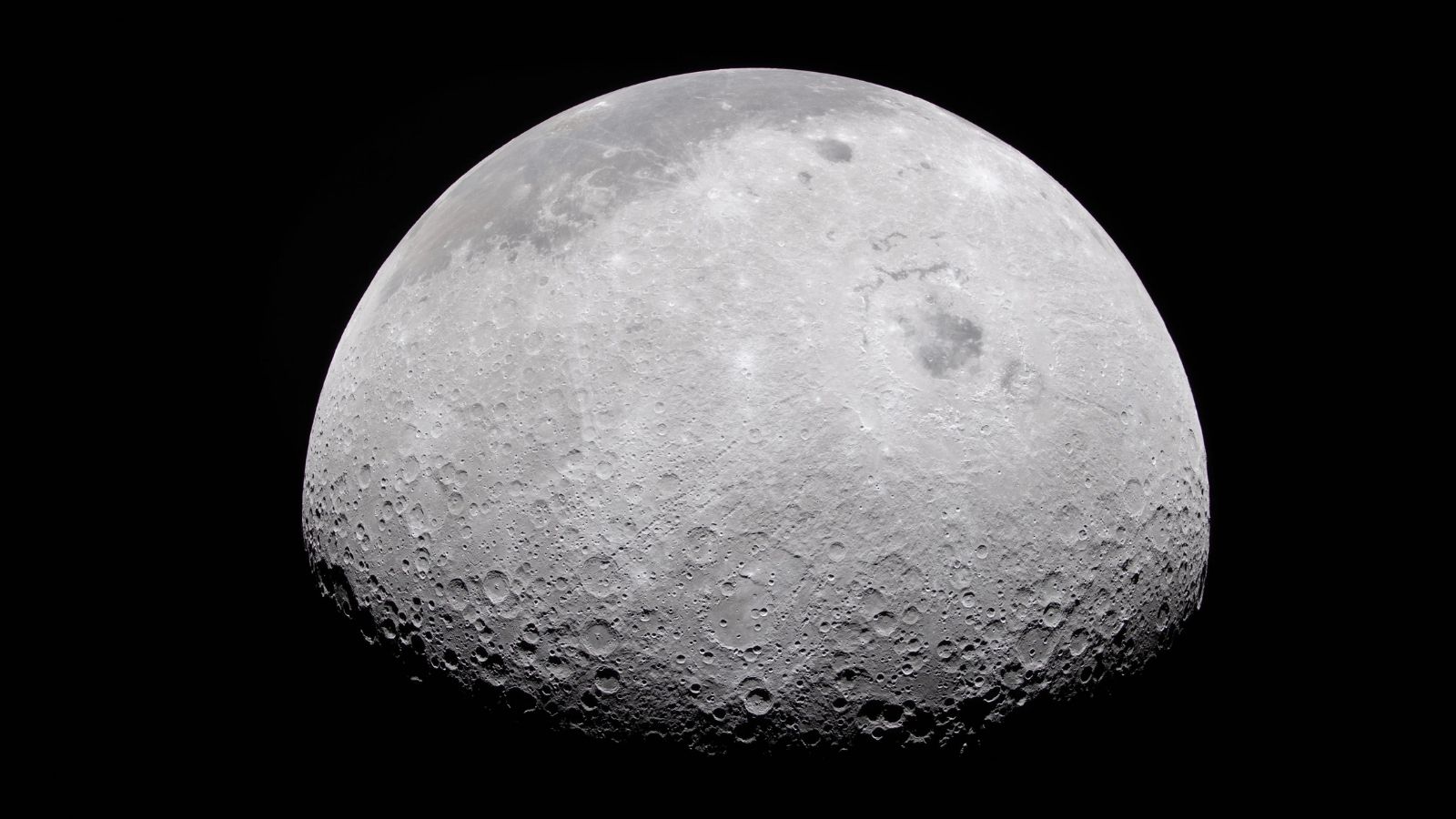
The 4,000-kg rocket stage, launched in January 2025, slammed into the lunar surface at an estimated 8,690 kmph, with an impact equivalent to three tonnes of TNT. This accidental collision, occurring on the Moon's sunlit side, is generating considerable scientific interest for studying lunar impacts and space debris hazards.
Imagine a big, empty rocket part that's been floating around in space for a long time, like a lost toy. Instead of coming back to Earth, it accidentally bumped into the Moon really fast, making a big dent and a puff of dust. Scientists are excited because this crash helps them learn more about how things hit the Moon and how to keep space tidy for future trips.
Analysis
An Unintended Lunar Impact
The recent collision of a discarded SpaceX Falcon 9 upper stage with the Moon marks an unusual and unplanned event in space exploration. Launched in January 2025, the rocket stage, weighing 4,000 kg, had been adrift for over 18 months after exhausting its fuel while deploying lunar landers. Unlike the reusable first stage, the upper stage is typically deorbited, but in this instance, it was left in a moon-crossing high-Earth orbit due to fuel depletion. The impact, estimated at 8,690 kmph, was equivalent to an explosion of three tonnes of TNT, creating a crater potentially 20 to 30 meters wide and ejecting a plume of lunar dust.
Scientific Windfall from Debris
Despite its accidental nature, the lunar impact has generated considerable scientific interest. Researchers view this as a unique opportunity to study the mechanics of lunar impacts, improve techniques for detecting impact flashes, and locate impact sites using seismic measurements. The collision provides valuable data for understanding how objects interact with the lunar surface, which is crucial for future missions. The ejected material, though difficult to observe directly from Earth due to the impact occurring on the sunlit side, offers a chance for telescopes to study its composition and behavior for a short period.
Addressing Future Space Hazards
The incident also brings into sharp focus the increasing problem of space debris and its potential hazards to future lunar infrastructure and astronauts. As global space agencies, including NASA with its Artemis program, plan for a long-term human presence near the Moon's south pole, understanding and mitigating the risks posed by uncontrolled space objects becomes paramount. SpaceX has stated its commitment to working with NASA and other agencies to develop safer disposal strategies for future missions in the Earth-Moon system, aiming to reduce the likelihood of similar accidental impacts and ensure the sustainability of space exploration.
Key points
- A discarded SpaceX Falcon 9 upper stage crashed into the Moon after 18 months adrift in space.
- The 4,000-kg rocket impacted the lunar surface at 8,690 kmph, with an energy equivalent to three tonnes of TNT.
- The collision is expected to create a crater 20-30 meters wide and eject a plume of lunar dust.
- Scientists view this accidental impact as a rare opportunity to study lunar impacts and improve detection techniques.
- The event highlights the growing concern over space debris and the need for safer disposal strategies for future missions.
The accidental lunar impact provides an invaluable, albeit unplanned, opportunity for scientists to gather critical data on lunar impact dynamics and improve detection techniques. This research can lead to enhanced safety protocols and better understanding of space debris, benefiting future lunar missions and long-term human presence on the Moon.
The incident underscores the growing risk posed by uncontrolled space debris, highlighting the potential for accidental collisions with celestial bodies or future space infrastructure. Without more robust disposal strategies, the accumulation of such debris could complicate future space exploration and pose threats to lunar bases and astronauts.