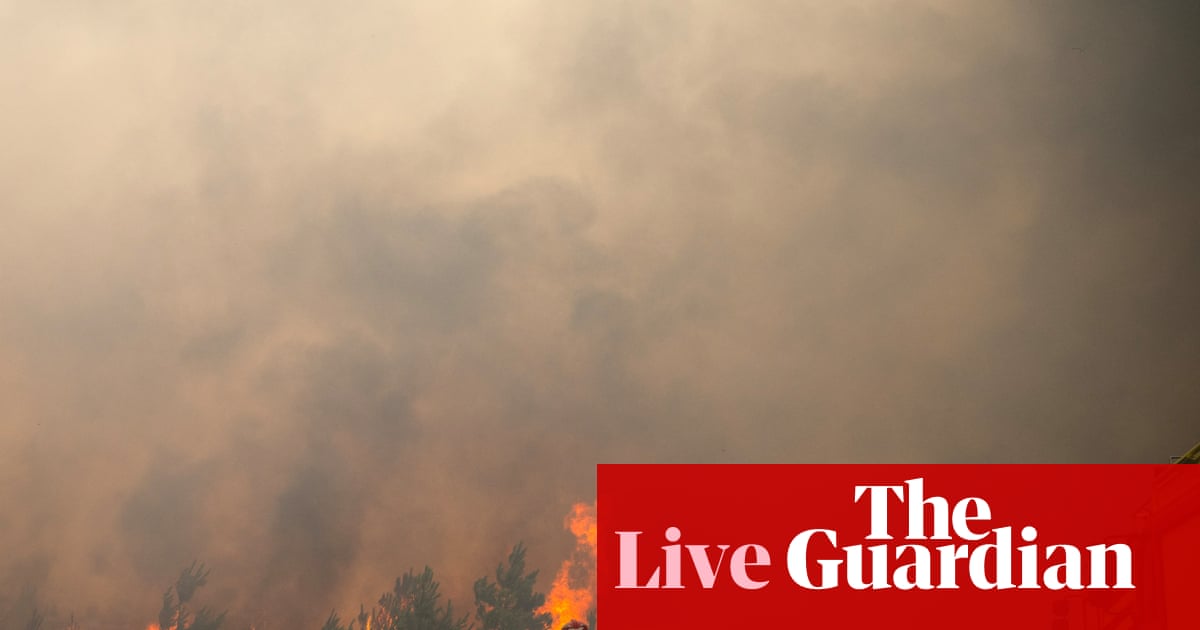
Spain struggles to contain wildfires: 60,000 evacuated around Madrid
Tens of thousands of people have been evacuated from villages west of Madrid, Spain, as wildfires exacerbated by heatwaves and strong winds continue to rage.
Intelligence analysis by Gemini 2.5 Flash
Wildfires are causing widespread evacuations in Spain, particularly around Madrid, with approximately 60,000 residents forced to leave their homes. The blazes are intensified by severe heatwaves and powerful winds, posing a significant challenge for containment efforts across the region.
Imagine a really hot summer day, like when you can barely touch the slide at the park. Now imagine it's been super hot and windy for a long time, making all the trees and grass really dry, like crunchy potato chips. That's what's happening in Spain, and it's causing big fires that are forcing thousands of people to leave their homes to stay safe.
Analysis
Escalating Wildfire Crisis in Spain
Spain is currently grappling with a severe wildfire crisis, particularly in areas west of its capital, Madrid. This situation has necessitated the evacuation of approximately 60,000 residents from numerous villages, highlighting the immediate threat these blazes pose to human life and property. The fires are not isolated incidents but are part of a broader pattern of extreme weather conditions affecting the region.
Intense heatwaves, which have become more frequent and prolonged, coupled with strong winds, create an ideal environment for wildfires to ignite and spread rapidly. These challenging conditions make containment efforts exceptionally difficult for emergency services. The scale of the evacuations underscores the significant disruption and danger faced by communities in the affected areas.
The Broader European Context of Climate Change
This specific event in Spain is indicative of a larger trend observed across Europe, where fire seasons are becoming longer and more intense. The article briefly mentions related incidents in France and general warnings from climatologists about rising risks, suggesting a continent-wide challenge driven by climate change. The combination of prolonged droughts, record-breaking temperatures, and shifting weather patterns is transforming landscapes, making them more susceptible to devastating fires.
The economic and social costs of these widespread fires are substantial and growing. They include the displacement of populations, destruction of natural habitats, and significant damage to infrastructure. These recurring crises demand a concerted effort to understand and mitigate the underlying environmental factors.
Implications for Disaster Preparedness and Policy
The mass evacuations around Madrid underscore the critical importance of robust disaster preparedness and response systems. Authorities face immense pressure to protect populations, manage emergency shelters, and coordinate firefighting efforts across vast and often difficult terrains. Effective communication and rapid deployment are key to minimizing casualties and property loss.
Beyond immediate response, these events prompt a re-evaluation of long-term environmental policies, urban planning in fire-prone areas, and international cooperation on climate action. The recurring nature of these crises demands sustainable solutions that address both the symptoms and root causes of increased wildfire activity, including investments in prevention, early warning systems, and climate resilience infrastructure. This proactive approach is essential for safeguarding communities against future environmental threats.
Key points
- Approximately 60,000 people have been evacuated from villages west of Madrid due to wildfires.
- The fires are intensified by severe heatwaves and strong winds, making containment difficult.
- This event is part of a broader trend of longer and more intense fire seasons across Europe.
- Authorities are challenged with managing emergency responses and protecting affected populations.
While the current situation is dire, effective firefighting efforts and a potential shift in weather patterns could bring the blazes under control, allowing evacuated residents to return home safely. Increased public awareness and government investment in fire prevention and climate resilience measures could also lead to better preparedness for future events.
The persistent heatwaves and strong winds could continue to exacerbate the wildfires, leading to further evacuations, extensive property damage, and potential loss of life. The long-term environmental impact on affected regions, coupled with the increasing frequency of such events, suggests a challenging future for climate adaptation.