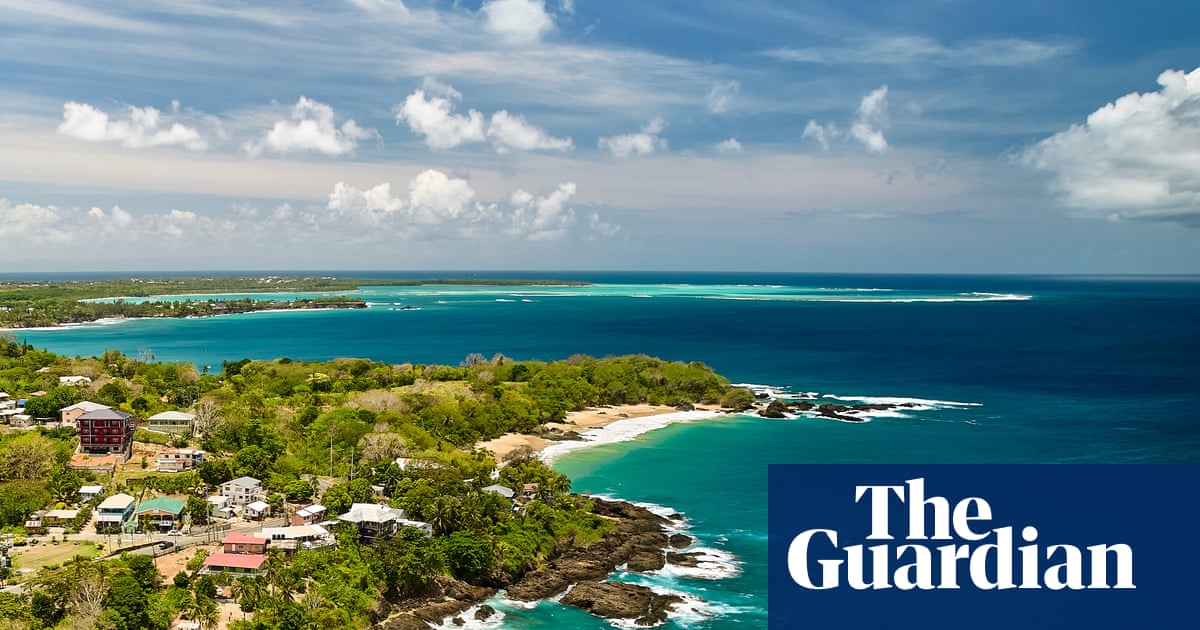
Spanish hotel chain ceases operations in Cuba under pressure from Washington
A Spanish hotel chain, Meliá, is to cease all operations in Cuba at the end of the week due to growing pressure from Washington. The company cited 'major difficulties' in doing business on the island under US sanctions.
Intelligence analysis by Llama
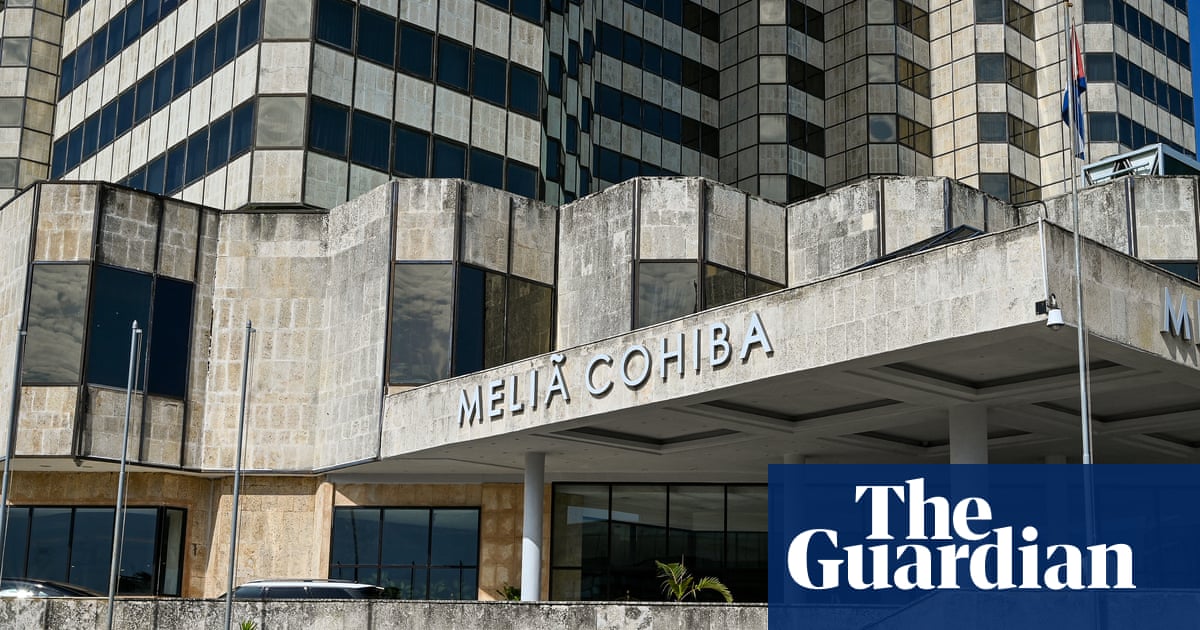
Meliá, one of the largest foreign hotel operators in Cuba, will cease operations due to US sanctions. The company cited 'major difficulties' in doing business on the island.
A Spanish hotel chain called Meliá is leaving Cuba because the US government is making it hard for them to do business there. This means that many people will lose their jobs and it will be harder for tourists to find places to stay.
Analysis
A Spanish Hotel Chain's Exit from Cuba: What's Behind the Move?
The decision by Meliá, a Spanish hotel chain, to cease all operations in Cuba at the end of the week has sent shockwaves through the island's tourism industry. The company cited 'major difficulties' in doing business on the island under growing pressure from Washington. But what's behind this move, and what does it mean for the future of tourism in Cuba?
Meliá, one of the largest foreign hotel operators in Cuba, has been a major player in the island's tourism sector since the 1990s. The company has operated 34 hotels in Cuba, employing thousands of staff and generating significant revenue for the local economy. However, in recent months, Meliá has faced increasing pressure from Washington to cut ties with the island's military conglomerate, GAESA.
The US has imposed a range of sanctions on Cuba in recent years, targeting individuals, companies, and institutions that do business with the island. The latest sanctions, introduced in May, have made it 'impossible, de facto and de jure, to maintain even minimal operational stability', according to Meliá's statement to the Spanish stock market regulator.
The company's decision to cease operations in Cuba is a significant blow to the island's tourism industry, which has been struggling to recover from the economic crisis triggered by the collapse of the Soviet Union. The loss of Meliá's hotels will also have a major impact on the local economy, with thousands of staff facing unemployment.
But the implications of Meliá's exit from Cuba go beyond the island's tourism industry. The decision highlights the growing pressure from Washington on foreign companies to cut ties with the island's military conglomerate, GAESA. This pressure is likely to have a major impact on the future of tourism in Cuba, with many foreign companies likely to follow Meliá's lead and exit the island.
The Impact on Cuba's Tourism Industry
The decision by Meliá to cease operations in Cuba will have a major impact on the island's tourism industry. The company's hotels have been a major draw for tourists, and the loss of these facilities will make it harder for visitors to find accommodation on the island.
The impact on the local economy will also be significant, with thousands of staff facing unemployment. The loss of revenue from Meliá's hotels will also make it harder for the local government to fund essential services, such as healthcare and education.
The Future of Tourism in Cuba
The decision by Meliá to cease operations in Cuba highlights the growing pressure from Washington on foreign companies to cut ties with the island's military conglomerate, GAESA. This pressure is likely to have a major impact on the future of tourism in Cuba, with many foreign companies likely to follow Meliá's lead and exit the island.
The future of tourism in Cuba is uncertain, with many foreign companies likely to be deterred by the growing pressure from Washington. However, the Cuban government has announced plans to increase investment in the tourism sector, with a focus on developing new hotels and resorts.
It remains to be seen whether these plans will be enough to attract foreign investment and restore the island's tourism industry to its former glory. However, one thing is clear: the decision by Meliá to cease operations in Cuba has sent a clear message to foreign companies that the island is no longer a viable destination for investment.
Key points
- Meliá, a Spanish hotel chain, is to cease all operations in Cuba at the end of the week.
- The company cited 'major difficulties' in doing business on the island under growing pressure from Washington.
- The decision highlights the growing pressure from Washington on foreign companies to cut ties with the island's military conglomerate, GAESA.
- The loss of Meliá's hotels will have a major impact on the local economy, with thousands of staff facing unemployment and a significant loss of revenue for the local government.
The Cuban government has announced plans to increase investment in the tourism sector, which could attract foreign investment and restore the island's tourism industry to its former glory.
The loss of Meliá's hotels will have a major impact on the local economy, with thousands of staff facing unemployment and a significant loss of revenue for the local government.