Spanish leader slams ‘selfish’ EU response as death toll from Ceuta crossings climbs
Spain's PM Pedro Sánchez criticized EU members for a "selfish" response to a migrant surge into Ceuta. Over 60,000 attempted crossing from Morocco, with dozens dead. Italy and France imposed border checks.
Intelligence analysis by Gemini 2.5 Flash Lite
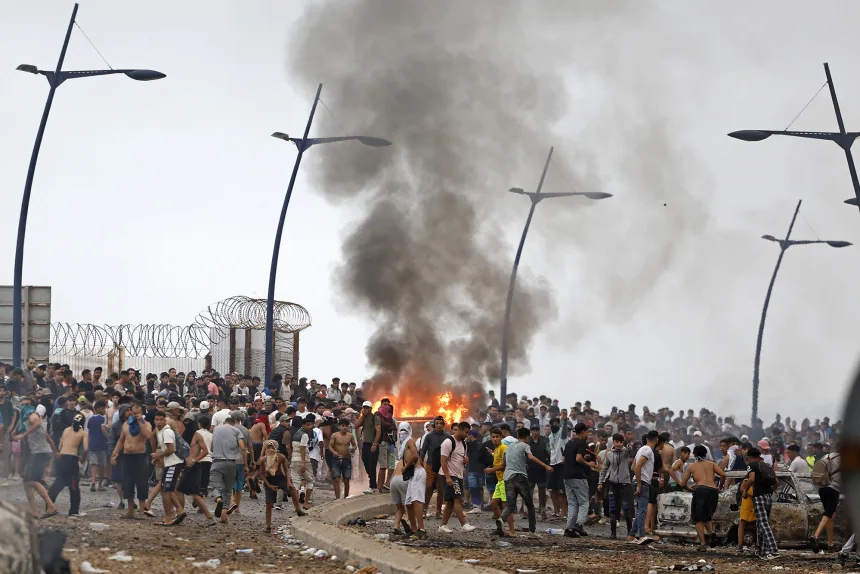
Spanish Prime Minister Pedro Sánchez has condemned the "selfish, polarizing and unlawful reaction" of some EU member states to a massive influx of migrants into the Spanish exclave of Ceuta from Morocco. The incident, which saw tens of thousands attempt to cross and dozens die, has highlighted deep divisions within the EU over migration policy and prompted retaliatory border measures …
Imagine a big group of people trying to cross a fence into a neighbor's yard. Some neighbors got mad and put up their own fences, even though they usually share a big open space. The leader of one yard said this was selfish and unfair, especially since many people trying to cross were misled and desperate for a better life.
Analysis
A Crisis of Solidarity and Borders
The recent surge of migrants into the Spanish exclave of Ceuta from Morocco has exposed a stark lack of solidarity among European Union member states, drawing sharp criticism from Spanish Prime Minister Pedro Sánchez. Sánchez decried the "selfish, polarizing and unlawful reaction" of countries like Italy and France, which responded by temporarily reimposing border controls on travel from Spain. This move, perceived by Spain as prejudiced and ill-informed, directly contradicts the principles of the Schengen Area and highlights the EU's ongoing struggle to forge a unified approach to migration.
The Role of Misinformation and Economic Despair
The influx was reportedly fueled by a combination of factors, including misinformation circulating on social media regarding a Spanish Supreme Court ruling on migrant deportations, and broader economic frustrations within Morocco. Young Moroccans, facing high unemployment rates, were apparently enticed by online content depicting successful crossings, viewing it as a pathway to a better life. The calm seas during this period also presented a more viable, albeit perilous, route for those attempting to swim across. This confluence of factors, exacerbated by potential inaction from Moroccan authorities who do not recognize Spanish sovereignty over Ceuta, created a volatile situation at the border.
Internal EU Divisions and Future Implications
The incident places significant pressure on Sánchez's government, which has historically adopted more pro-immigration policies, positioning it as an outlier within a continent increasingly leaning towards tougher border controls and the rise of far-right, anti-immigration parties. The US State Department's criticism, framing the event as a result of Spanish efforts to facilitate illegal migration, further complicates the diplomatic landscape. The emergency meeting called by Ireland, holding the EU's rotating presidency, signals an attempt to address these divisions, but the underlying tensions over migration policy are likely to persist, posing a continuous challenge to EU cohesion.
Key points
- Dozens have died as over 50,000 migrants attempted to cross from Morocco into the Spanish exclave of Ceuta.
- Spanish Prime Minister Pedro Sánchez criticized other EU members for a 'selfish' and 'unlawful' response.
- Italy and France imposed temporary border checks on travel from Spain in response to the migrant surge.
- Misinformation on social media and economic hardship in Morocco are cited as drivers of the crossings.
- The event highlights deep divisions within the EU over migration policy and border management.
The emergency meeting called by Ireland could lead to a more coordinated and humane EU response to migration, fostering greater solidarity among member states. Improved communication and shared responsibility could help manage future influxes more effectively, reducing the loss of life and the political tensions that arise from such events.
The incident may deepen existing divisions within the EU regarding migration, leading to further unilateral actions by member states and a hardening of border policies. This could result in increased humanitarian crises, greater exploitation by traffickers, and a continued strain on the Schengen Area's principles.