SPD: Children Are Not Potential Savings Targets
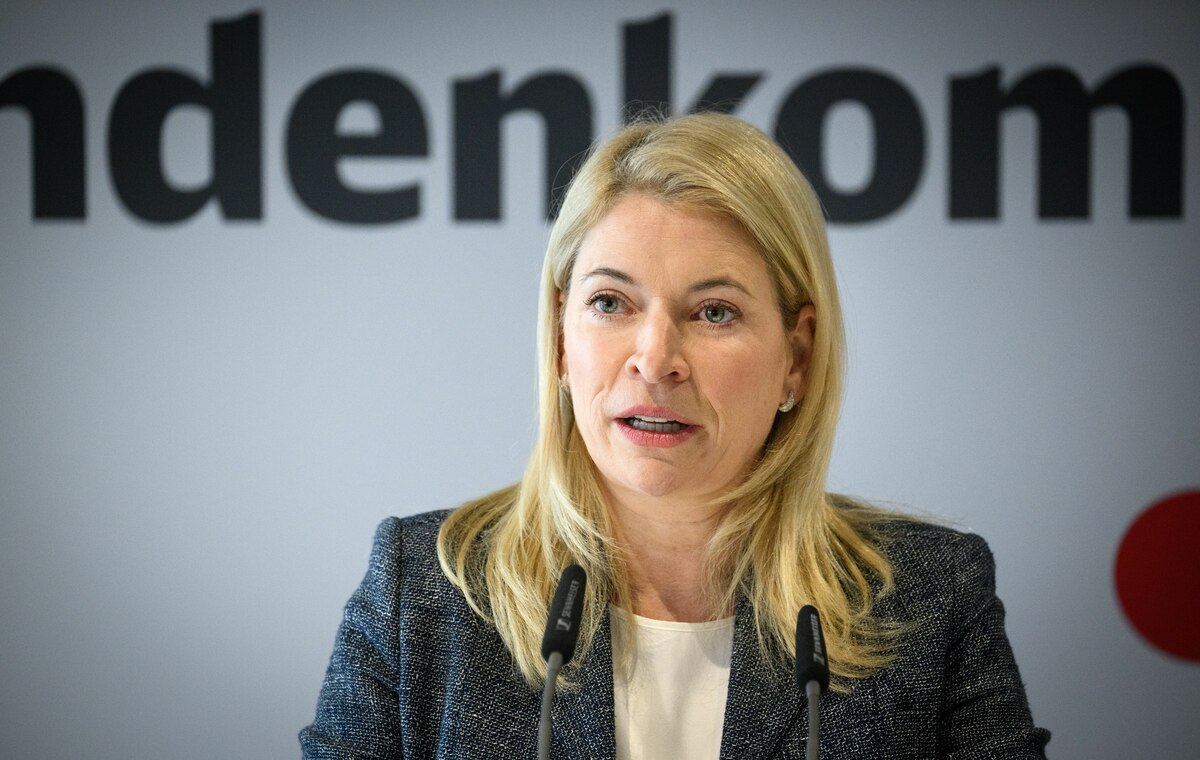
The SPD in Rhineland-Palatinate criticizes the federal government's plans to cut the child support allowance. The party's leaders argue that children should not be made to bear the brunt of the cuts and that the focus should be on holding parents who fail to provide suppo…
Intelligence analysis by Llama

The SPD in Rhineland-Palatinate is opposing the federal government's plans to cut the child support allowance, arguing that children should not be made to bear the brunt of the cuts. The party's leaders, Alexander Schweitzer and Sabine Bätzing-Lichtenthäler, believe that the focus should be on holding parents who fail to provide support accountable.
The SPD in Rhineland-Palatinate is opposing the federal government's plans to cut the child support allowance. They believe that children should not be made to bear the brunt of the cuts and that the focus should be on holding parents who fail to provide support accountable. This is like a game of tag, where the focus should be on the person who is not playing by the rules, rather than punishing everyone else.
Analysis
A $60B Vote of Confidence
The federal government's plans to cut the child support allowance have been met with criticism from the SPD in Rhineland-Palatinate. The party's leaders, Alexander Schweitzer and Sabine Bätzing-Lichtenthäler, argue that children should not be made to bear the brunt of the cuts. They believe that the focus should be on holding parents who fail to provide support accountable.
The SPD's criticism is based on the fact that the federal government's plans would affect over 80,000 children in Rhineland-Palatinate. The party's leaders argue that this would be a significant blow to the children and their families, and that the focus should be on finding alternative solutions to address the issue of child support.
The federal government's plans would cut the child support allowance from 18 to 16 years old. This would mean that children would no longer receive the allowance after they turn 16. The SPD's leaders argue that this would be a significant change and that it would have a negative impact on children and families.
The SPD's criticism of the federal government's plans is not just about the impact on children and families. It is also about the fact that the plans would not address the root cause of the issue. The party's leaders argue that the focus should be on holding parents who fail to provide support accountable, rather than cutting the child support allowance.
The federal government's plans would also have a significant impact on the budget. The SPD's leaders argue that the plans would save the government around $26 million per year. However, they also argue that this would come at the expense of children and families who would be affected by the cuts.
Why Cursor?
The SPD's criticism of the federal government's plans is based on the fact that the plans would affect over 80,000 children in Rhineland-Palatinate. The party's leaders argue that this would be a significant blow to the children and their families, and that the focus should be on finding alternative solutions to address the issue of child support.
The SPD's leaders also argue that the federal government's plans would not address the root cause of the issue. They believe that the focus should be on holding parents who fail to provide support accountable, rather than cutting the child support allowance.
The Road Ahead
The federal government's plans to cut the child support allowance have been met with criticism from the SPD in Rhineland-Palatinate. The party's leaders, Alexander Schweitzer and Sabine Bätzing-Lichtenthäler, argue that children should not be made to bear the brunt of the cuts. They believe that the focus should be on holding parents who fail to provide support accountable.
The SPD's criticism of the federal government's plans is not just about the impact on children and families. It is also about the fact that the plans would not address the root cause of the issue. The party's leaders argue that the focus should be on finding alternative solutions to address the issue of child support.
Key points
- The SPD in Rhineland-Palatinate is opposing the federal government's plans to cut the child support allowance.
- The party's leaders argue that children should not be made to bear the brunt of the cuts and that the focus should be on holding parents who fail to provide support accountable.
- The federal government's plans would affect over 80,000 children in Rhineland-Palatinate.
- The SPD's leaders argue that the plans would not address the root cause of the issue and that the focus should be on finding alternative solutions to address the issue of child support.
If the federal government's plans to cut the child support allowance are implemented, it is possible that more children and families will be able to access other forms of support, such as Arbeitslosengeld II or Wohngeld. This could help to mitigate the negative impact of the cuts and ensure that children and families are not left behind.
If the federal government's plans to cut the child support allowance are implemented, it is possible that more children and families will be negatively affected. This could lead to increased poverty and hardship for those who are already vulnerable, and could have long-term consequences for their well-being.