S'pore family questions Woodlands Hospital after mother, 59, died 4 months after heart surgery, hospital denies negligence
A 59-year-old woman died four months after suffering a cardiac arrest while recovering from heart surgery at Woodlands Hospital. Her family questioned the hospital's failure to provide continuous cardiac monitoring, which they believe delayed the detection of the cardiac …
Intelligence analysis by Llama
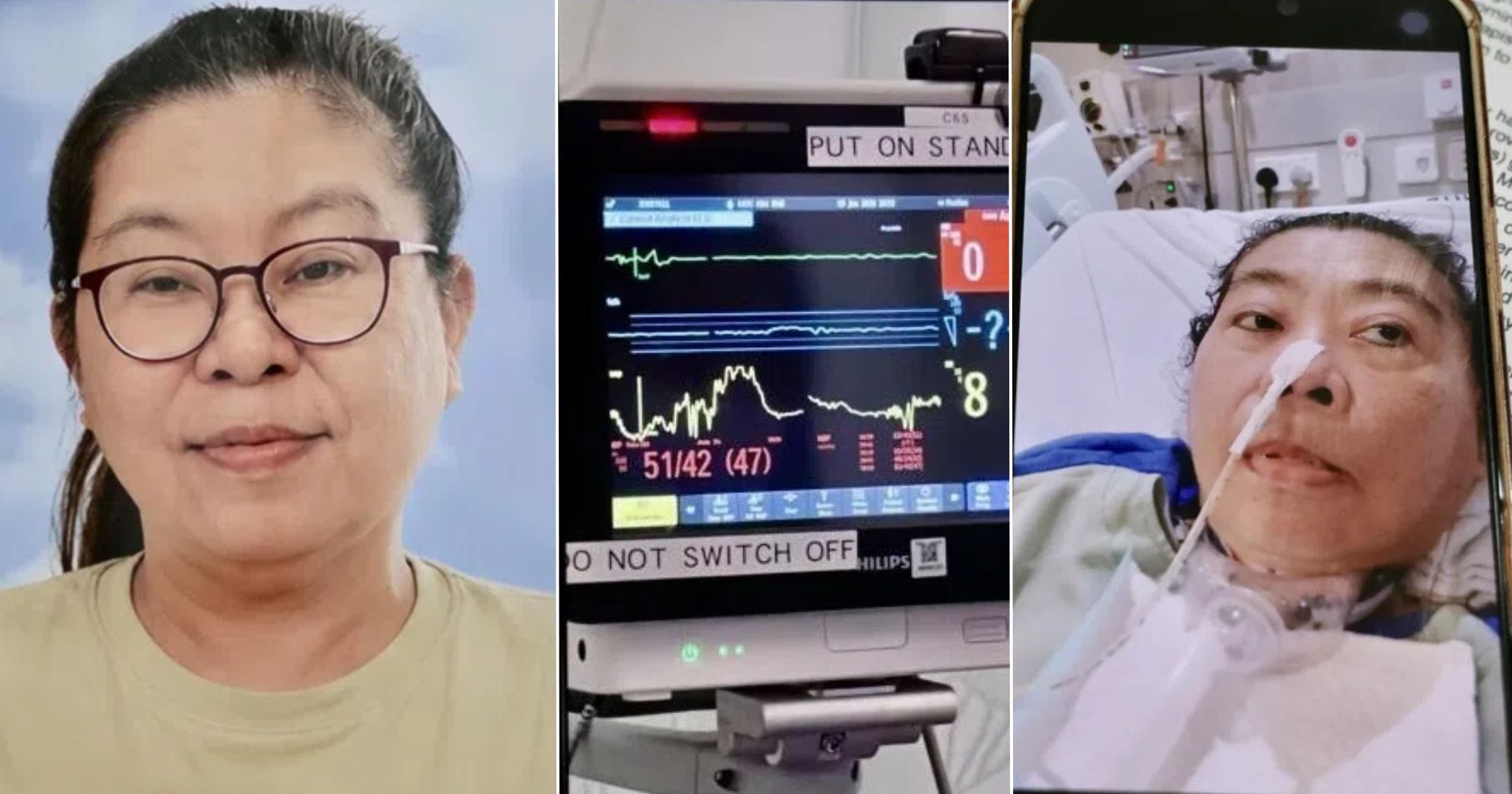
A 59-year-old woman died four months after heart surgery at Woodlands Hospital due to a cardiac arrest. Her family questioned the hospital's monitoring arrangements, which they believe delayed the detection of the cardiac arrest. The hospital denied any medical negligence.
A 59-year-old woman died four months after heart surgery due to a cardiac arrest. Her family questioned the hospital's monitoring arrangements, which they believe delayed the detection of the cardiac arrest. The hospital denied any medical negligence. Imagine if you were in the hospital and needed constant monitoring to stay safe. That's what the family is asking for.
Analysis
A Family's Tragedy: The Death of Mo Jinying
Mo Jinying, a 59-year-old woman, died four months after suffering a cardiac arrest while recovering from heart surgery at Woodlands Hospital. Her family has questioned the hospital's failure to provide continuous cardiac monitoring, which they believe delayed the detection of the cardiac arrest. The hospital has denied any medical negligence, saying an internal review and independent experts found that the care provided met established medical and ethical standards.
The family's concerns are centered around the hospital's monitoring arrangements. According to the hospital's report, Mo's vital signs were monitored every four hours, which meant that the hospital could not determine the exact time of the cardiac arrest. The family believes that if continuous cardiac monitoring had been used from the outset, the outcome could have been different.
The hospital has maintained that it conducted an internal review of the family's concerns and sought opinions from independent clinical experts. Both the review and the independent experts concluded that the medical team's care complied with established medical standards and ethical principles, and that there was no medical negligence.
The case highlights the importance of continuous cardiac monitoring in preventing cardiac arrests and the need for hospitals to provide high-quality care to their patients. It also raises questions about the hospital's accountability and transparency in handling such cases.
The Role of Continuous Cardiac Monitoring
Continuous cardiac monitoring is a crucial aspect of patient care, especially for patients who have undergone heart surgery. It allows healthcare professionals to detect any abnormalities in the heart's rhythm and take prompt action to prevent cardiac arrests. In Mo's case, the family believes that if continuous cardiac monitoring had been used, the cardiac arrest could have been detected sooner, and the outcome could have been different.
The hospital's failure to provide continuous cardiac monitoring raises questions about the quality of care provided by Woodlands Hospital. It also highlights the need for hospitals to prioritize patient safety and provide high-quality care to their patients.
The Importance of Accountability and Transparency
The case of Mo Jinying highlights the importance of accountability and transparency in handling medical negligence cases. The hospital's denial of any medical negligence and its claim that the care provided met established medical and ethical standards raises questions about the hospital's accountability and transparency.
The family's concerns and the hospital's response demonstrate the need for open communication and transparency in handling such cases. It also highlights the importance of independent reviews and expert opinions in determining the quality of care provided by hospitals.
Conclusion
The case of Mo Jinying raises important questions about the quality of care provided by Woodlands Hospital and the potential consequences of delayed medical attention. It highlights the importance of continuous cardiac monitoring, accountability, and transparency in handling medical negligence cases. It also raises questions about the hospital's accountability and transparency in handling such cases.
Key points
- A 59-year-old woman died four months after heart surgery due to a cardiac arrest.
- Her family questioned the hospital's monitoring arrangements, which they believe delayed the detection of the cardiac arrest.
- The hospital denied any medical negligence, saying an internal review and independent experts found that the care provided met established medical and ethical standards.
- The family believes that if continuous cardiac monitoring had been used from the outset, the outcome could have been different.
- The hospital has maintained that it conducted an internal review of the family's concerns and sought opinions from independent clinical experts.
The hospital's internal review and independent experts' opinions may have found no medical negligence, but the family's concerns highlight the need for continuous cardiac monitoring and high-quality care. If the hospital takes steps to improve its monitoring arrangements and patient safety, the outcome for future patients could be better.
The hospital's denial of any medical negligence and its claim that the care provided met established medical and ethical standards may have closed the case, but the family's concerns and the hospital's response raise questions about the hospital's accountability and transparency. If the hospital does not take steps to improve its monitoring arrangements and patient safety, future patients may face similar risks.