S'pore police investigating false bomb threat at Xinmin Secondary School
Police are investigating a false bomb threat at Xinmin Secondary School after the campus was evacuated and checked with nothing suspicious found.
Intelligence analysis by GPT-5.4 Mini
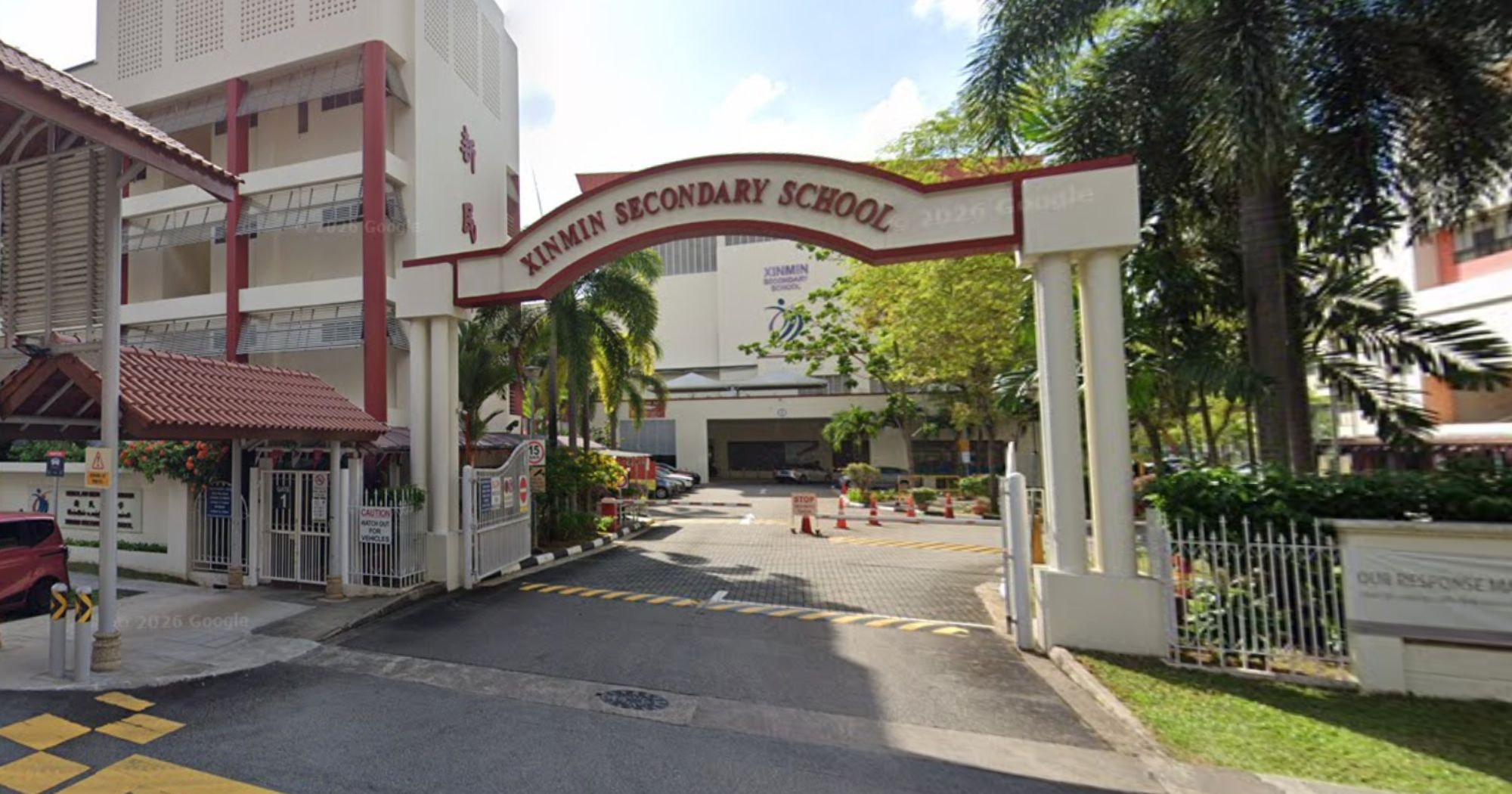
A bomb threat at Xinmin Secondary School in Hougang triggered an evacuation on Aug. 13, but police and school staff found no suspicious item. The case is being investigated as communicating false information of a harmful thing, which can carry jail, fines, or both.
A false bomb threat is like shouting “fire” in a crowded room when there is no fire. The school had to empty out and the police had to check everything carefully, even though nothing dangerous was found.
Analysis
Xinmin Secondary School
A false bomb threat at a school is not just a prank on paper. It forces staff to treat the situation as real until every space has been checked, which means classes stop, routines break, and children and parents are pushed into uncertainty.
The article shows that Xinmin Secondary School moved quickly, with evacuation procedures activated and everyone later accounted for. That speed matters because it reduces the risk of injury if the threat were genuine, but it also shows how much disruption a single message can create even when no danger is found.
Hougang
The incident happened in Hougang, which makes the story locally immediate rather than abstract. Schools are high-stakes environments because they concentrate large numbers of children and staff in one place, so any threat there has a wider emotional effect than a routine police call.
Police said they were alerted at about 8:20am and carried out a thorough check with school personnel. That detail suggests Singapore's response model relies on fast coordination between law enforcement and the institution itself, a pattern that helps contain panic and keeps rumours from spreading further.
S$50,000
The legal penalty is a central part of the message here: communicating false information about a harmful thing can lead to up to seven years in prison, a fine of up to S$50,000, or both. By publishing the penalty, the police are not only describing the law but also signalling that false threats are treated as serious public-order offences.
That deterrent is important because hoaxes often aim to trigger a response without needing any actual device. Even when nothing is found, the cost is real in police time, school disruption, and anxiety for families, which is why the return to normal on the same day is reassuring but does not erase the broader risk of copycat behaviour.
Key points
- Police are investigating a false bomb threat at Xinmin Secondary School as communicating false information of a harmful thing.
- The police said they were alerted at about 8:20am and found no suspicious item after a thorough check.
- Students and staff were evacuated, and everyone was later accounted for.
- The offence can carry up to seven years' imprisonment, a fine of up to S$50,000, or both.
- The school has since returned to its regular timetable.
The school was able to resume normal lessons the same day, which suggests the response worked and the disruption was contained. A clear police investigation and public warning may also discourage others from making similar hoaxes.
Even when a threat is false, it can scare students, parents, and staff and interrupt learning. If such hoaxes keep happening, schools may need to spend more time and effort on emergency checks and communication.