‘What else can I do?’: S’pore ice cream vendors plan to keep selling for ‘as long’ as they can, but how long will that be?
Singapore's traditional ice cream vendors are struggling to stay in business due to aging and retirement. Many have been selling ice cream for decades, but the industry is facing a decline as no new street hawking licenses are being issued.
Intelligence analysis by Llama
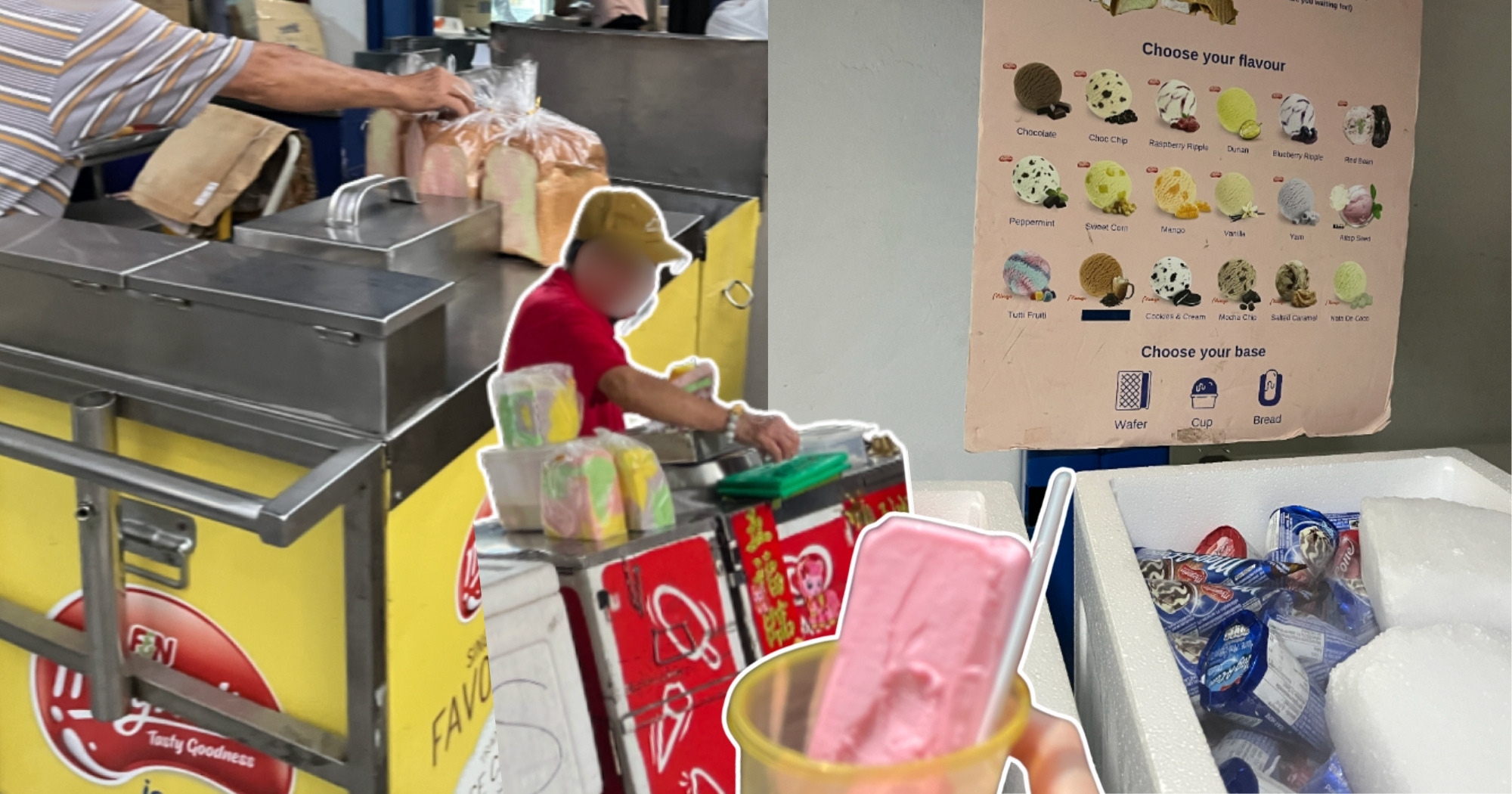
Singapore's traditional ice cream vendors are facing a decline as no new street hawking licenses are being issued. Many have been selling ice cream for decades, but are struggling to stay in business due to aging and retirement.
Imagine you have a favorite ice cream cart that has been around for a long time. The person who runs it is getting older and might not be able to keep selling ice cream soon. This is happening to many ice cream carts in Singapore because the government is not giving out new licenses to sell ice cream on the streets. It's like the ice cream carts are disappearing one by one.
Analysis
A Fading Tradition: Singapore's Ice Cream Vendors Face Uncertain Future
Singapore's traditional ice cream vendors have been a staple of the city-state's streets for decades. However, with the cessation of new street hawking licenses, the industry is facing a decline. Many vendors have been selling ice cream for over 50 years, but are struggling to stay in business due to aging and retirement.
One of the first vendors I spoke to was Uncle Soh, who has been selling ice cream for over 50 years. He noted that being in this line of work is not easy, as it gets troublesome when it rains and the price of supplies keeps increasing. He added that he simply takes things day by day and earns just enough for himself.
Another vendor, Uncle Tang, has been selling ice cream for about 20 years. He said that he did not have a job then and went into the business after seeing his friend do so. His story was similar to some other vendors I talked to, who entered the business out of necessity after getting retrenched.
The revenue of the vendors varies according to the location. Some vendors earn about S$40 to S$50 a day, while others earn up to S$200 to S$300 per day. However, the industry is facing a decline as no new street hawking licenses are being issued.
Director of local ice cream supplier Chip Guan Heng, Kenneth Goh, said that the broader trend in the industry is one of 'gradual decline', especially because 'many ice cream uncles are ageing and retiring'. He pointed out that one of the biggest challenges facing the traditional ice cream trade today is regulatory in nature.
A Chip Guan Heng admin and operations manager, who wanted to be known as Greg, said that since there is no renewal of licenses, the vendors would likely work until they are no longer able to. Though unsure how long the vendors could continue selling ice cream, he estimated that the traditional business of ice cream carts could possibly go on for another five to 10 years.
The decline of Singapore's traditional ice cream vendors is a reflection of the changing times and the need for adaptation in the face of regulatory changes. As the industry continues to shrink, it is essential to find ways to preserve this fading tradition and ensure that it continues to thrive in the years to come.
The Challenges Facing Singapore's Ice Cream Vendors
The traditional ice cream vendors in Singapore are facing a decline due to aging and retirement. Many have been selling ice cream for decades, but are struggling to stay in business due to the cessation of new street hawking licenses.
One of the biggest challenges facing the traditional ice cream trade today is regulatory in nature. As no new street hawking licenses are being issued, the industry is naturally shrinking over time as older hawkers retire from the industry.
Another challenge facing the vendors is the need to restock their supplies, such as the wafers and bread served with the ice cream. As such, transportation could become a challenge as they grow older.
The Future of Singapore's Ice Cream Vendors
The future of Singapore's traditional ice cream vendors is uncertain. Many have been selling ice cream for decades, but are struggling to stay in business due to aging and retirement.
Director of local ice cream supplier Chip Guan Heng, Kenneth Goh, said that the broader trend in the industry is one of 'gradual decline', especially because 'many ice cream uncles are ageing and retiring'. He added that since there is no renewal of licenses, the vendors would likely work until they are no longer able to.
A Chip Guan Heng admin and operations manager, who wanted to be known as Greg, estimated that the traditional business of ice cream carts could possibly go on for another five to 10 years. However, he noted that 'we have to see how the economy evolves as well'.
Key points
- Singapore's traditional ice cream vendors are facing a decline due to aging and retirement.
- The industry is facing a decline as no new street hawking licenses are being issued.
- Many vendors have been selling ice cream for decades, but are struggling to stay in business.
- The traditional ice cream trade is a reflection of the changing times and the need for adaptation in the face of regulatory changes.
- The decline of the traditional ice cream vendors is a loss of cultural heritage and a unique aspect of Singapore's street food scene.
If the government were to reconsider issuing new street hawking licenses, it could potentially revitalize the traditional ice cream trade in Singapore. This could lead to a resurgence of interest in the industry and attract new vendors to join the business.
If the decline of the traditional ice cream vendors continues, it could lead to a loss of cultural heritage and a unique aspect of Singapore's street food scene. The city-state's residents may miss out on the opportunity to experience the nostalgia and charm of these iconic ice cream carts.