S'pore woman loses over S$1 million to scammer who used MP's photo as profile pic
A woman in her 60s lost over S$1 million to a scammer who used a Member of Parliament's photo as their WhatsApp display picture. The scammer posed as a police officer and convinced her to send daily selfies and hand over her valuables.
Intelligence analysis by Llama
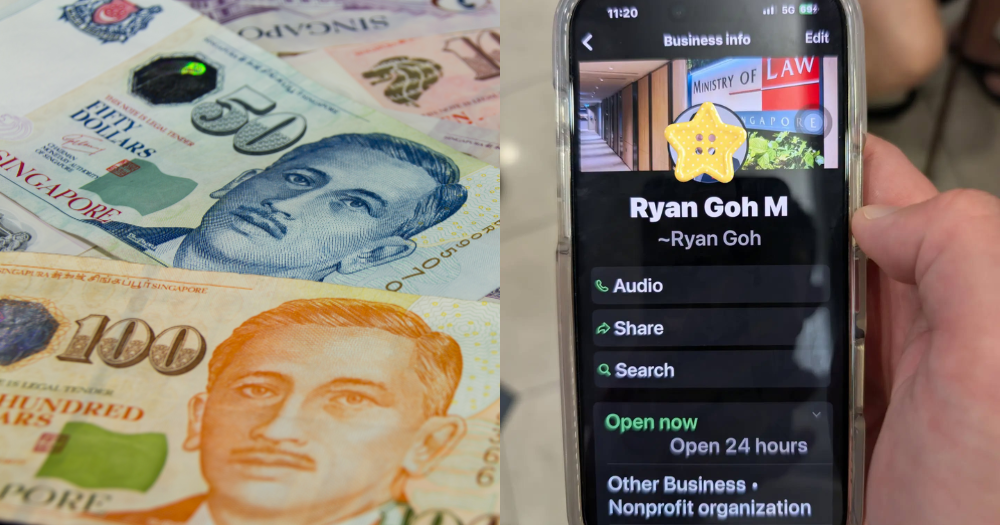
A Singapore woman lost over S$1 million to a scammer who used a Member of Parliament's photo as their WhatsApp display picture. The scammer posed as a police officer and convinced her to send daily selfies and hand over her valuables. The woman only discovered the truth after attending a Meet-the-People session and appealing for her bank account to be unfrozen.
Imagine you're a grandma who's very trusting. A scammer calls you and says they're a police officer. They tell you to send them selfies and give them your valuables. You think it's the real police, so you do what they say. But it's all a trick! The scammer is just trying to get your money. Always be careful and ask questions before giving someone your stuff.
Analysis
A $60B Vote of Confidence
The recent case of a Singapore woman losing over S$1 million to a scammer who used a Member of Parliament's photo as their WhatsApp display picture is a stark reminder of the vulnerability of seniors to scams. The scammer posed as a police officer and convinced the woman to send daily selfies and hand over her valuables. The woman only discovered the truth after attending a Meet-the-People session and appealing for her bank account to be unfrozen.
This case highlights the importance of verifying information before acting on it. Scammers often use tactics such as posing as authority figures, creating a sense of urgency, and isolating their victims from their support networks. In this case, the scammer used a Ministry of Law photo as their WhatsApp banner to seem more official and trustworthy.
The community must look out for one another, especially seniors, and verify anything that feels off before acting on it. This includes being cautious of unsolicited requests for personal or financial information, being wary of strangers who try to isolate them from their support networks, and being mindful of their own vulnerability to scams.
Why Cursor?
The question remains as to how scammers are able to carry out such elaborate scams. The answer lies in the fact that scammers often use technology to their advantage, creating fake profiles and using social engineering tactics to manipulate their victims. In this case, the scammer used a WhatsApp profile picture of an MP to seem more legitimate.
The Road Ahead
The road ahead for seniors and the community is to be vigilant and proactive in preventing scams. This includes being aware of the tactics used by scammers, verifying information before acting on it, and looking out for one another. By working together, we can prevent scams and protect our seniors from falling victim to them.
Key points
- A Singapore woman lost over S$1 million to a scammer who used a Member of Parliament's photo as their WhatsApp display picture.
- The scammer posed as a police officer and convinced the woman to send daily selfies and hand over her valuables.
- The woman only discovered the truth after attending a Meet-the-People session and appealing for her bank account to be unfrozen.
- The community must look out for one another, especially seniors, and verify anything that feels off before acting on it.
- Scammers often use tactics such as posing as authority figures, creating a sense of urgency, and isolating their victims from their support networks.
If this development plays out positively, it could lead to increased awareness and vigilance among seniors and the community. This could result in a reduction in scams and a safer environment for everyone.
However, if this development is not addressed, it could lead to more seniors falling victim to scams. This could result in financial losses and emotional distress for the victims and their families.