S'porean households to get S$300 CDC vouchers in Jan. 2027 amid cost pressures from Middle East situation
The Singaporean government will provide additional support to households and businesses in light of the Middle East situation. All Singaporean households will receive an additional S$300 Community Development Council (CDC) Vouchers in January 2027. The government will als…
Intelligence analysis by Llama
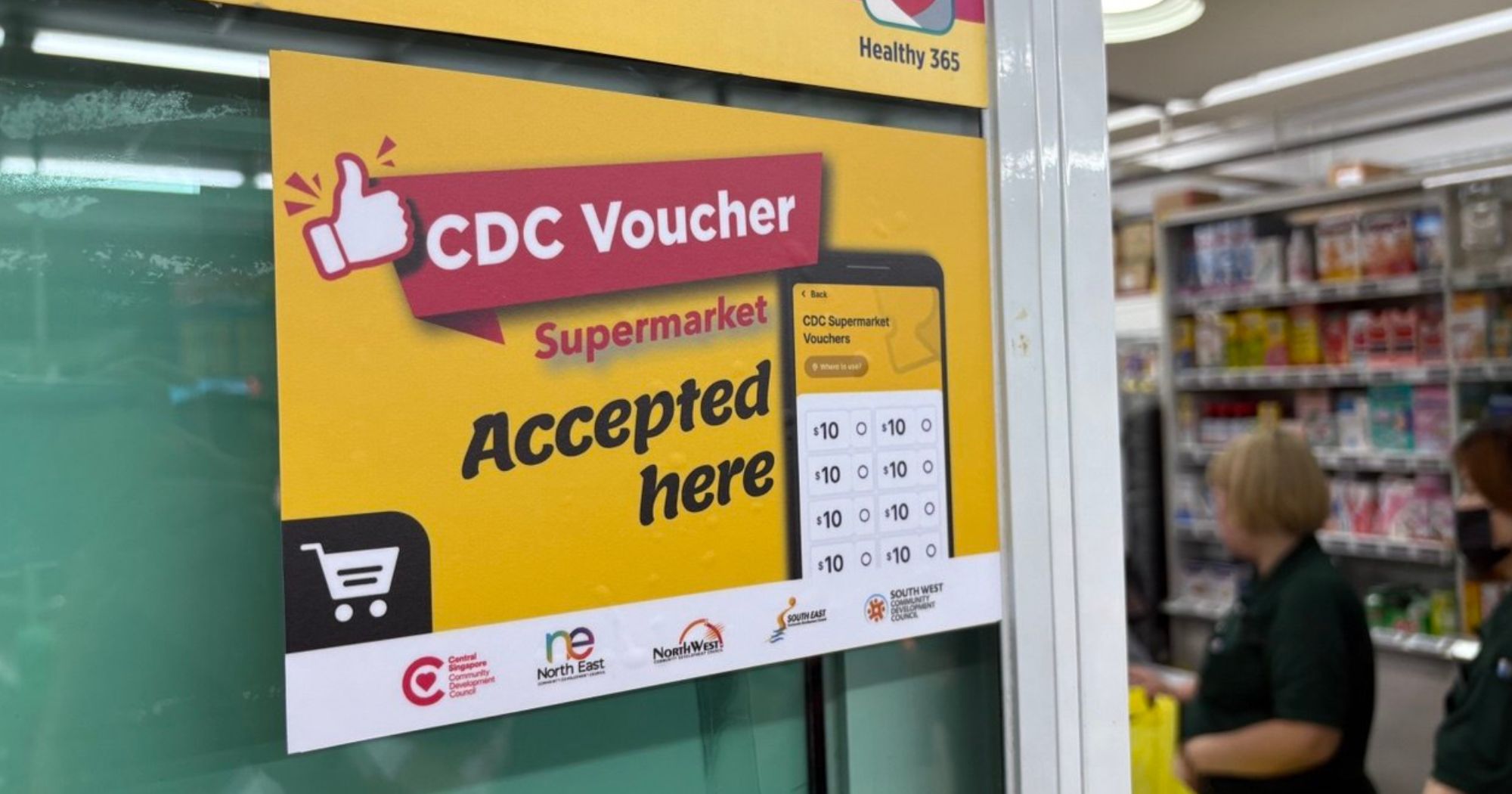
The Singaporean government has announced a support package of around S$900 million to help households and businesses manage cost pressures in light of the Middle East situation. The package includes additional CDC vouchers, enhanced U-Save rebates, and increased support for lower-income households through ComCare Interim Assistance.
The Singaporean government is giving extra money to help people and businesses deal with the cost of things going up due to the Middle East situation. They are giving extra vouchers and helping people pay their electricity bills. This is to make sure people can afford the things they need.
Analysis
A $900 Million Vote of Confidence
The Singaporean government has announced a support package of around S$900 million to help households and businesses manage cost pressures in light of the Middle East situation. This package is a clear indication of the government's commitment to supporting its citizens during these challenging times.
Why the Middle East Situation Matters
The Middle East situation is expected to continue to impact global energy prices, leading to higher costs for petrol, diesel, electricity, and certain imported goods. This will have a significant impact on households and businesses in Singapore, particularly those that rely heavily on imported goods. The government's support package is aimed at mitigating these effects and providing further assistance to those who need it most.
The Role of CDC Vouchers
The additional S$300 CDC vouchers that will be disbursed in January 2027 will provide households with a much-needed boost to help them manage their daily expenses. These vouchers will be valid until December 31, 2027, giving households ample time to use them. The government's decision to enhance U-Save rebates will also help households better manage their electricity bills, which is a significant expense for many households.
Supporting Lower-Income Households
The government's decision to increase support for lower-income households through ComCare Interim Assistance is a welcome move. This will provide additional support to those who need it most, helping them to manage their expenses and make ends meet. The government's decision to be more flexible with the eligibility criteria for ComCare Interim Assistance will also help more households to qualify for support.
Key points
- The Singaporean government has announced a support package of around S$900 million to help households and businesses manage cost pressures in light of the Middle East situation.
- All Singaporean households will receive an additional S$300 Community Development Council (CDC) Vouchers in January 2027.
- The government will enhance U-Save rebates to help households better manage their electricity bills.
- The government will increase support for lower-income households through ComCare Interim Assistance.
- The government will be more flexible with the eligibility criteria for ComCare Interim Assistance to help more households qualify for support.
The government's support package is a positive step towards helping households and businesses manage cost pressures. If the Middle East situation stabilizes, the impact on global energy prices and imported goods may decrease, leading to lower costs for households and businesses. This could lead to a more stable economic environment, allowing households and businesses to plan for the future with more confidence.
The Middle East situation remains fragile, and the impact on global energy prices and imported goods may continue to be felt. This could lead to higher costs for households and businesses, making it more difficult for them to manage their expenses. The government's support package may not be enough to mitigate the effects of the Middle East situation, leading to further economic challenges.