Starbucks Korea staff form union after 'Tank Day' campaign fiasco
Workers at Starbucks Korea have formed a labour union, following a marketing fiasco that evoked painful memories of a 1980 government crackdown on pro-democracy activists.
Intelligence analysis by Llama
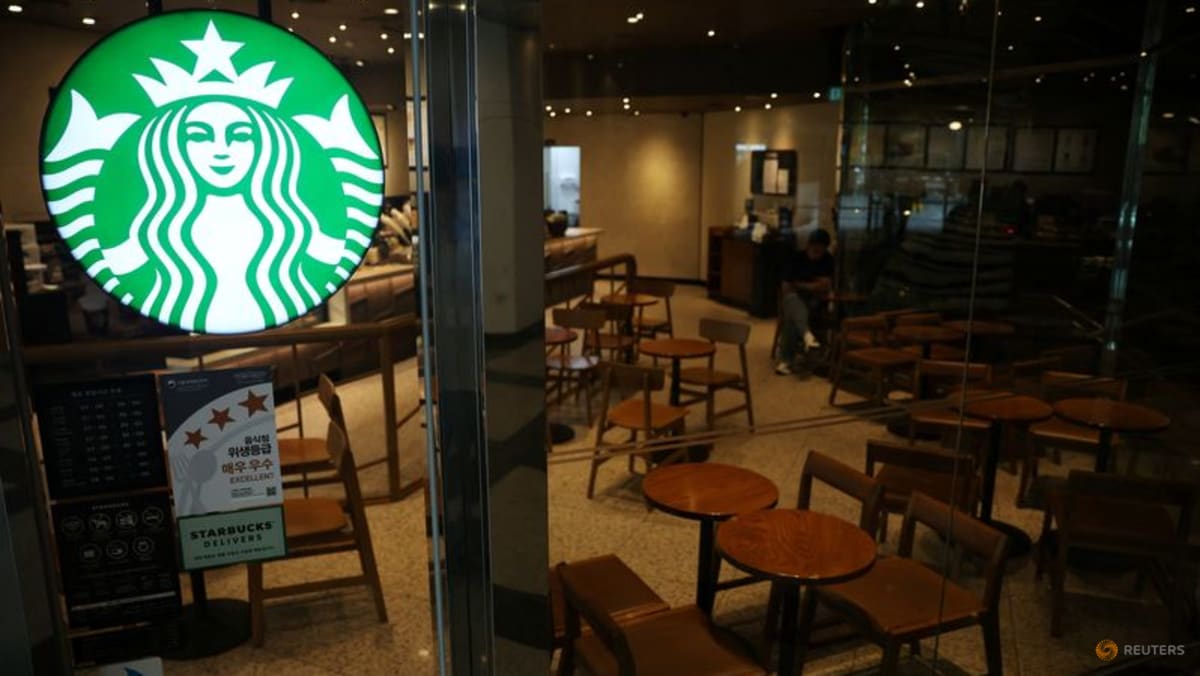
Starbucks Korea staff have formed a labour union after a marketing fiasco that sparked uproar and led to the resignation of the company's chief executive. The union was formed to protect workers' rights and improve workplace conditions.
Imagine you work at a coffee shop and you're not treated fairly. You and your friends decide to form a group to make sure you're treated better and have a say in how the shop is run. That's basically what's happening at Starbucks Korea, where workers have formed a union to protect their rights and improve working conditions.
Analysis
A Brewing Storm: The Tank Day Controversy
The recent 'Tank Day' campaign by Starbucks Korea sparked a firestorm of controversy, evoking painful memories of the 1980 Gwangju uprising. The campaign, which promoted reusable cups on the 46th anniversary of the uprising, was widely criticized for its insensitivity and lack of respect for the victims of the crackdown. The backlash was swift, with the company's chief executive resigning and the chain's stores closing for staff education sessions on the historical significance of the uprising.
A Union Born: Protecting Workers' Rights
The formation of a labour union at Starbucks Korea is a significant development, marking the first time a union has been formed at the company in South Korea. The union, which was formed to protect workers' rights and improve workplace conditions, is a response to the company's failure to address the concerns of its employees. Despite repeated demands to improve workplace conditions, the company had 'ultimately ignored partners' demands, instead unilaterally introducing even more burdensome promotional events.'
A New Era: Labour-Management Relations
The formation of a labour union at Starbucks Korea marks a new era in labour-management relations in the country. The union's demands for better working conditions and labour rights are a reflection of the growing demand for change in the country. As the union continues to engage with the company, it remains to be seen whether the company will meet the union's demands and improve working conditions for its employees.
Key points
- Workers at Starbucks Korea have formed a labour union to protect their rights and improve working conditions.
- The union was formed in response to the company's failure to address the concerns of its employees.
- The union's demands include better working conditions and labour rights.
- The formation of a labour union at Starbucks Korea marks a new era in labour-management relations in the country.
- The outcome of the union's demands is uncertain and could lead to a backlash from the company.
The formation of a labour union at Starbucks Korea could lead to improved working conditions and better treatment of employees. If the company meets the union's demands, it could set a positive precedent for other companies in the country.
The formation of a labour union at Starbucks Korea could lead to a backlash from the company, which could result in the union being disbanded or its members being fired. If the company fails to meet the union's demands, it could lead to further unrest and protests.