‘Starvation drove mother to extreme act; collective failure’: Gujarat High Court
The Gujarat High Court granted bail to a pregnant woman accused of fatally assaulting her two-year-old daughter over repeated demands for food. The court observed that the case was a reflection of the failure of social welfare mechanisms rather than an individual moral fa…
Intelligence analysis by Llama
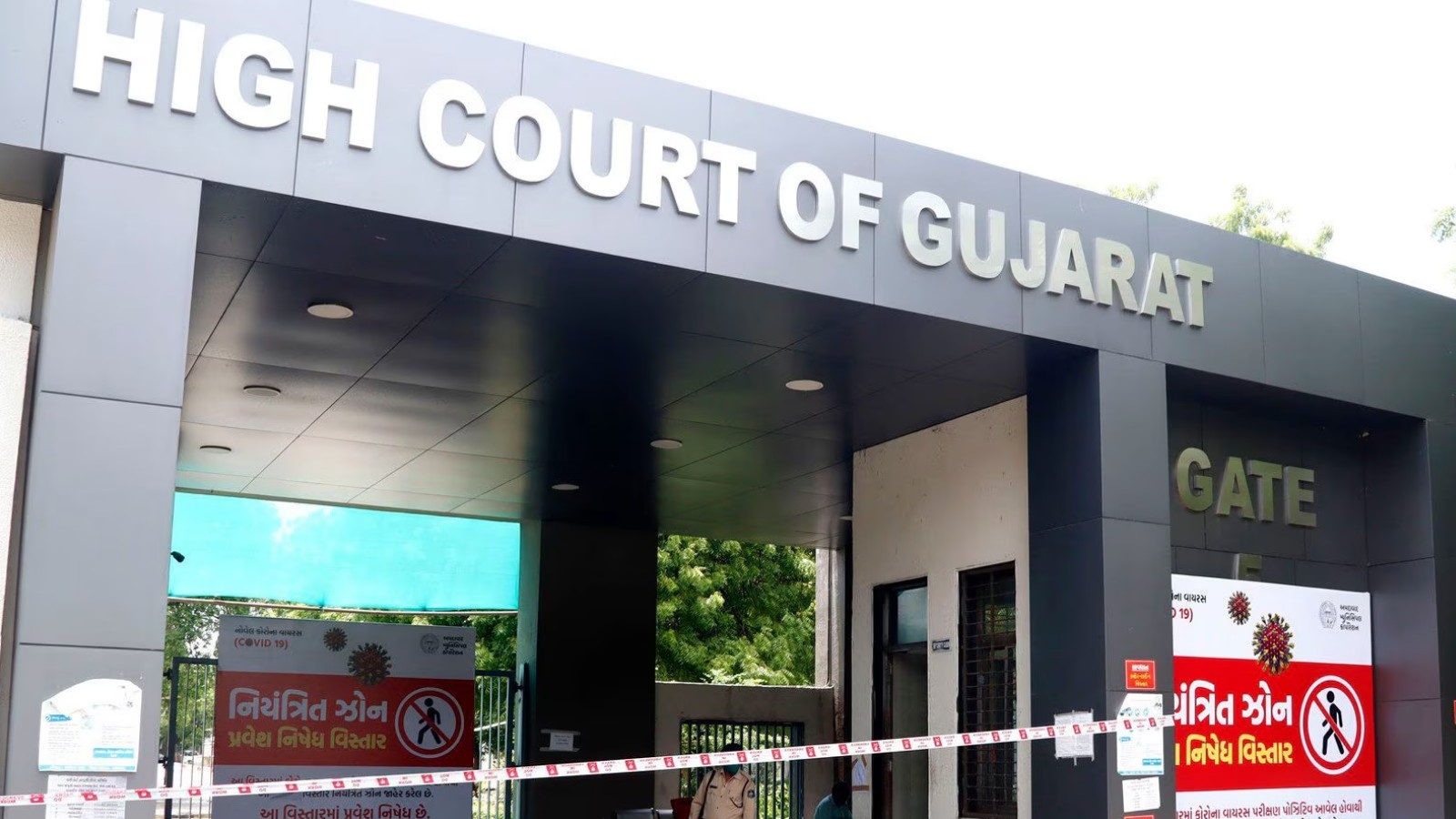
The Gujarat High Court granted bail to a pregnant woman accused of fatally assaulting her two-year-old daughter over repeated demands for food, observing that the case was a reflection of the failure of social welfare mechanisms rather than an individual moral failing.
A mother in India was accused of hurting her hungry child. The court said that the mother's actions were not just her fault, but also a sign of how poorly the government is taking care of its people. This is a big problem in India, where many people don't have enough food or money.
Analysis
A Collective Failure of Social Welfare Mechanisms
The Gujarat High Court's decision to grant bail to a pregnant woman accused of fatally assaulting her two-year-old daughter over repeated demands for food raises fundamental questions about the effectiveness of social welfare mechanisms in preventing such tragedies. The court's observation that the case was a reflection of the failure of social welfare mechanisms rather than an individual moral failing highlights the need for a more nuanced understanding of the complex interplay between poverty, hunger, and the state's constitutional obligation to protect vulnerable families.
The court's reliance on literary and religious texts, including Pannalal Patel's Manvini Bhavai and Victor Hugo's Les Misérables, underscores the enduring relevance of these works in shaping our understanding of justice, poverty, and compassion. By drawing parallels between the protagonist of Les Misérables, Jean Valjean, and the applicant in this case, the court highlights the ways in which extreme poverty can drive ordinary people towards crime.
The court's citation of Aristotle's observation that 'poverty is the parent of revolution and crime' serves as a stark reminder of the need for effective social welfare mechanisms to prevent such tragedies. The court's emphasis on the importance of feeding the hungry, as reflected in the Bhagavad Gita and other religious teachings, underscores the need for a more compassionate and inclusive approach to addressing poverty and hunger.
Ultimately, the court's decision to grant bail to the applicant serves as a powerful reminder of the need for a more nuanced understanding of the complex interplay between poverty, hunger, and the state's constitutional obligation to protect vulnerable families. By highlighting the failure of social welfare mechanisms in this case, the court underscores the need for a more effective and compassionate approach to addressing poverty and hunger in India.
Key points
- The Gujarat High Court granted bail to a pregnant woman accused of fatally assaulting her two-year-old daughter over repeated demands for food.
- The court observed that the case was a reflection of the failure of social welfare mechanisms rather than an individual moral failing.
- The court relied on literary and religious texts, including Pannalal Patel's Manvini Bhavai and Victor Hugo's Les Misérables, to shape its understanding of justice, poverty, and compassion.
- The court emphasized the importance of feeding the hungry, as reflected in the Bhagavad Gita and other religious teachings.
The court's decision to grant bail to the applicant may lead to a more nuanced understanding of the complex interplay between poverty, hunger, and the state's constitutional obligation to protect vulnerable families. This could lead to more effective social welfare mechanisms and a more compassionate approach to addressing poverty and hunger in India.
The court's decision to grant bail to the applicant may be seen as a sign of leniency towards those who commit crimes driven by poverty and hunger. This could lead to a lack of accountability and a failure to address the root causes of poverty and hunger in India.