Stop the folly or face consequences in Hormuz, Bab al-Mandeb
Ali Akbar Velayati warned that the Resistance could close both the Strait of Hormuz and Bab al-Mandeb if aggression continues.
Intelligence analysis by GPT-5.4 Mini
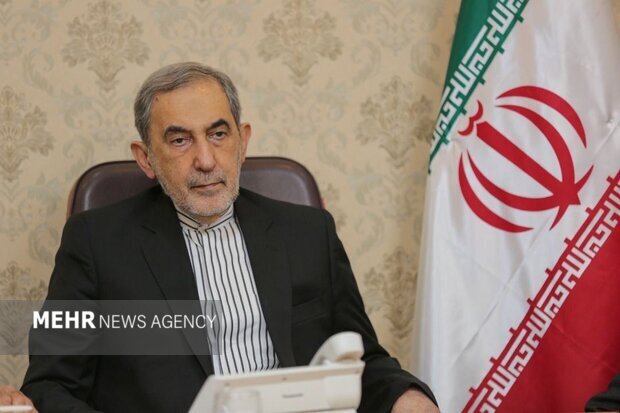
Velayati framed the situation as a choice for aggressors: stop the attacks or face coordinated pressure on two of the world’s most important sea lanes. He said the response to Israel’s actions in Beirut has already begun and signaled more steps could follow.
The article says an Iranian official warned that two very important sea roads could be blocked if fighting keeps going. It is like telling someone that if they keep pushing, the bridge they rely on could be shut.
Analysis
What Velayati said
Ali Akbar Velayati, an adviser on international affairs to the Leader of the Islamic Revolution, issued a sharp warning that the Resistance has the ability to “lock” both the Strait of Hormuz and the Bab al-Mandeb. In his framing, the message to opponents is simple: stop the aggression, or face restrictions over two strategic waterways.
The strategic message
Velayati said a prediction made days earlier had already come true through what he described as a missile response. He also said Israel’s actions in Beirut and its violation of a ceasefire had triggered what he called the “first link” in a wider chain of response, suggesting that more retaliatory steps remain possible.
Why these waterways matter
The article stresses that Bab al-Mandeb connects the Red Sea to the Gulf of Aden and helps control access to the Suez Canal. Together with the Strait of Hormuz, it sits at the center of global trade and energy movement. That is why a threat involving both passages is framed as much larger than a local military warning.
Bottom line
The piece presents the warning as part of a broader regional confrontation. Its core claim is not that the waterways have been closed, but that the capability to pressure them is being publicly signaled as leverage.
Key points
- Velayati warned that the Resistance could affect both the Strait of Hormuz and Bab al-Mandeb.
- He presented a choice to aggressors: stop the conflict or face consequences at the waterways.
- He said the response to Israel’s actions in Beirut had already entered its first stage.
- The article highlights the strategic importance of both chokepoints for trade and energy shipments.
If the warning helps prevent further escalation, the article suggests the pressure could push aggressors to stop attacks and avoid a wider regional crisis. A pause in violence would also reduce the risk to key shipping routes.
If the warning is ignored, the article points to a path of escalating retaliation tied to important maritime chokepoints. That could raise risks for global trade, energy shipments, and regional stability.