Strait of Hormuz traffic remains at a fraction of pre-war levels
Shipping traffic in the Strait of Hormuz was 17 percent of the pre-conflict average in the past seven days, according to the United Kingdom Maritime Trade Operations (UKMTO) centre. Only 151 ships made it in or out of the narrow waterway in the past seven days.
Intelligence analysis by Llama
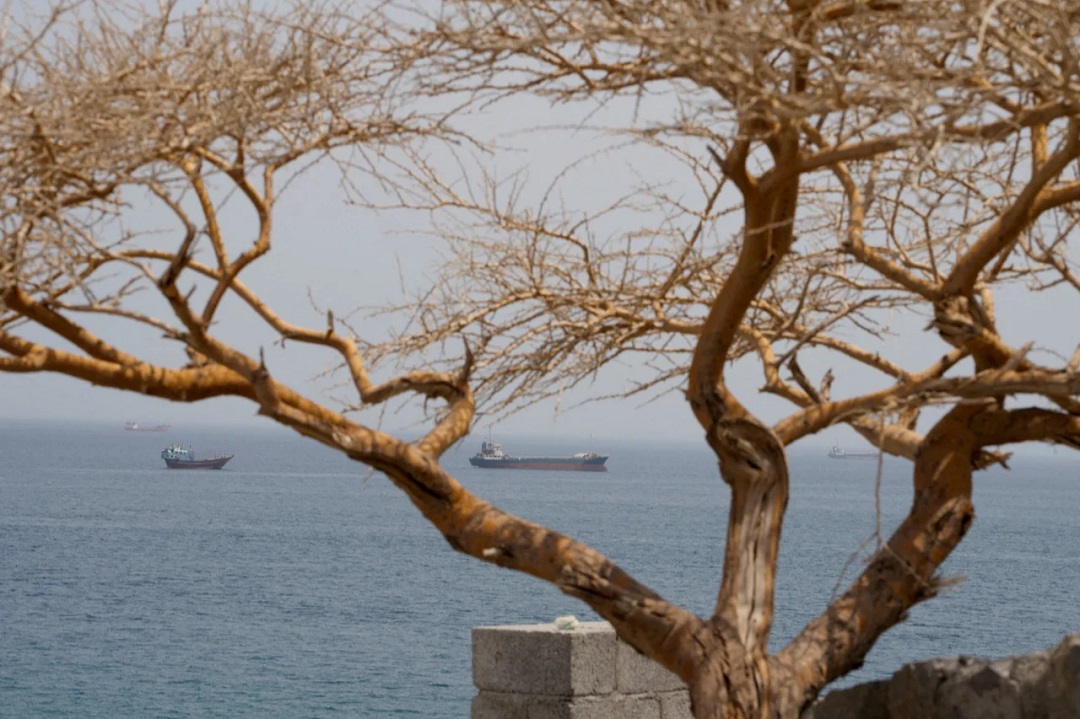
The Strait of Hormuz traffic remains at a fraction of pre-war levels, with 17% of the pre-conflict average in the past seven days. The US naval blockade is still in effect, barring ships from going to or from any Iranian port either inside or outside the strait.
Imagine a big waterway called the Strait of Hormuz that connects two big oceans. It's like a super important highway for ships to travel through. But because of a war between the US and Iran, not many ships are using this highway right now. This is making it harder for countries to trade with each other and for people to get the things they need.
Analysis
UKMTO Report Highlights Low Traffic Levels in the Strait of Hormuz
The United Kingdom Maritime Trade Operations (UKMTO) centre has reported that shipping traffic in the Strait of Hormuz was 17 percent of the pre-conflict average in the past seven days. This is a significant decrease from the previous week, when traffic was just 4 percent of pre-war levels. The low traffic levels in the Strait of Hormuz are a result of the ongoing US-Iran war, which has led to a naval blockade of Iranian ports and a significant decrease in shipping activity.
Southern Omani Route Remains the Highest-Risk Corridor
The Southern Omani route, an alternative temporary corridor in the strait, remains the highest-risk corridor, accounting for 16 of 18 projectile strike incidents reported by the UKMTO since July 6. This highlights the ongoing risks and challenges associated with shipping through the Strait of Hormuz.
US Naval Blockade Remains in Effect
The US naval blockade is still in effect, barring ships from going to or from any Iranian port either inside or outside the strait. This has significant implications for global trade and security, as it restricts the movement of goods and services through the Strait of Hormuz.
Key points
- Shipping traffic in the Strait of Hormuz was 17 percent of the pre-conflict average in the past seven days.
- Only 151 ships made it in or out of the narrow waterway in the past seven days.
- The US naval blockade is still in effect, barring ships from going to or from any Iranian port either inside or outside the strait.
- The Southern Omani route, an alternative temporary corridor in the strait, remains the highest-risk corridor.
- The US-Iran war has led to a significant decrease in shipping activity through the Strait of Hormuz.
If the US and Iran can come to a peaceful agreement, shipping traffic in the Strait of Hormuz could increase, leading to a boost in global trade and economic activity.
If the war between the US and Iran continues, shipping traffic in the Strait of Hormuz could remain low, leading to economic losses and potential shortages of essential goods.