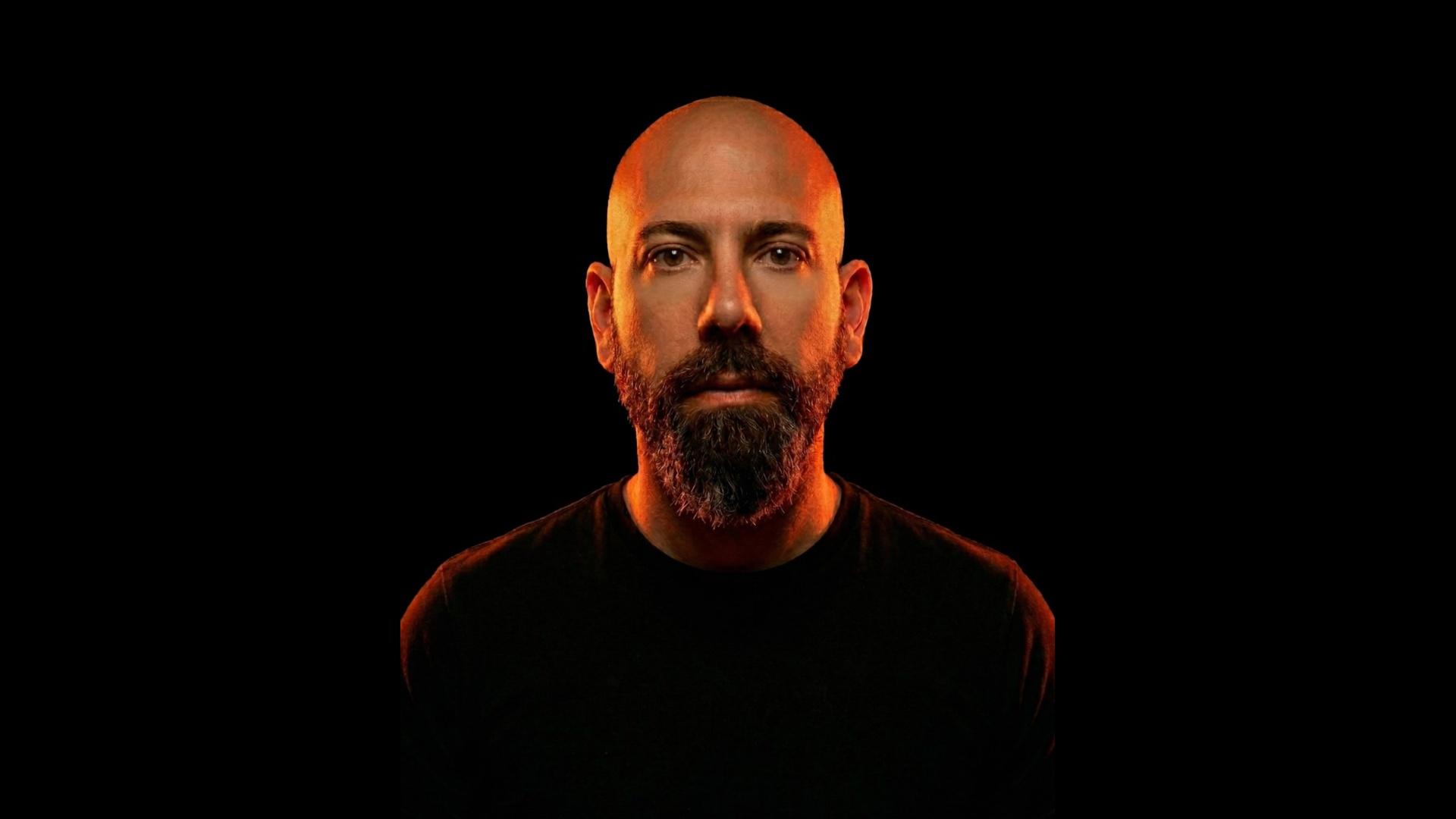
Stripe Millionaire Loses Bid for Congress to Candidate Backed by Ripple Co-Founder
Former Stripe engineer Saikat Chakrabarti lost his California congressional bid to Scott Wiener, who was backed by Ripple co-founder Chris Larsen.
Intelligence analysis by GPT-5.4 Mini

The race for Nancy Pelosi’s old House seat became a crypto-politics proxy fight. Chakrabarti attacked “tech oligarchs and crypto billionaires,” while Larsen funded an opposing PAC and supported Wiener.
A rich tech worker tried to win a seat in Congress, but lost to another candidate who got help from a Ripple co-founder. It was like two teams paying to cheer for different players in a big school election.
Analysis
Race result
Saikat Chakrabarti, a former Stripe engineer and ex-chief of staff to Rep. Alexandria Ocasio-Cortez, lost his bid to succeed Nancy Pelosi in California’s 11th Congressional District. With about half the votes tallied, Scott Wiener and Connie Chan advanced from the all-party race, and Chakrabarti had about 15% of the vote.
Crypto and campaign money
The story centers on how much crypto-adjacent money flowed into the race. Ripple co-founder and Executive Chairman Chris Larsen backed one of Chakrabarti’s opponents and also helped finance Abundant Future, a PAC that spent roughly $65,200 against Chakrabarti, according to FEC filings. Larsen also donated $7,000 directly to Wiener’s campaign organization. The article notes that Larsen had previously donated $11 million worth of XRP to a Democrat-aligned PAC in support of Kamala Harris, and that Ripple later gave $5 million worth of XRP to Trump’s inaugural fund.
Chakrabarti’s message
Chakrabarti positioned himself as a progressive reformer, saying he wanted to ban congressional stock trading and criticizing “tech oligarchs and crypto billionaires” who opposed his agenda. He also told Mission Local that he is a fan of central bank digital currencies, arguing they could help the U.S. deliver relief in crises. Politico reported that he spent nearly $10 million of his own money on the campaign.
Bigger picture
Decrypt frames the result as another sign that crypto money has growing political power. It also points to the broader trend of industry-backed PACs, like Fairshake, playing a major role in congressional races.
Key points
- Saikat Chakrabarti lost his bid to replace Nancy Pelosi in California’s 11th Congressional District.
- Scott Wiener and Connie Chan advanced from the all-party race, with Wiener backed by Ripple co-founder Chris Larsen.
- A PAC funded partly by Larsen spent about $65,200 against Chakrabarti, and Larsen also donated directly to Wiener’s campaign.
- Chakrabarti spent nearly $10 million of his own money and campaigned against tech and crypto power.
- The article frames the race as another example of crypto industry influence in U.S. politics.
The race shows that crypto-linked donors can help shape political outcomes and keep crypto issues visible in Washington. If that influence continues, the industry may have more allies who understand its policy goals and payment priorities.
The article also shows how crypto money can turn elections into fights about billionaire influence rather than policy. That could deepen backlash against the industry, especially when candidates are attacked as tied to “crypto billionaires” or tech elites.