Suit filed against controversial planned Stratos datacenter project in Utah
A Utah nonprofit and residents sued over the planned Stratos AI datacenter, saying the state process cuts off public input. Kevin O’Leary has agreed to scale back the project.
Intelligence analysis by GPT-5.4 Mini
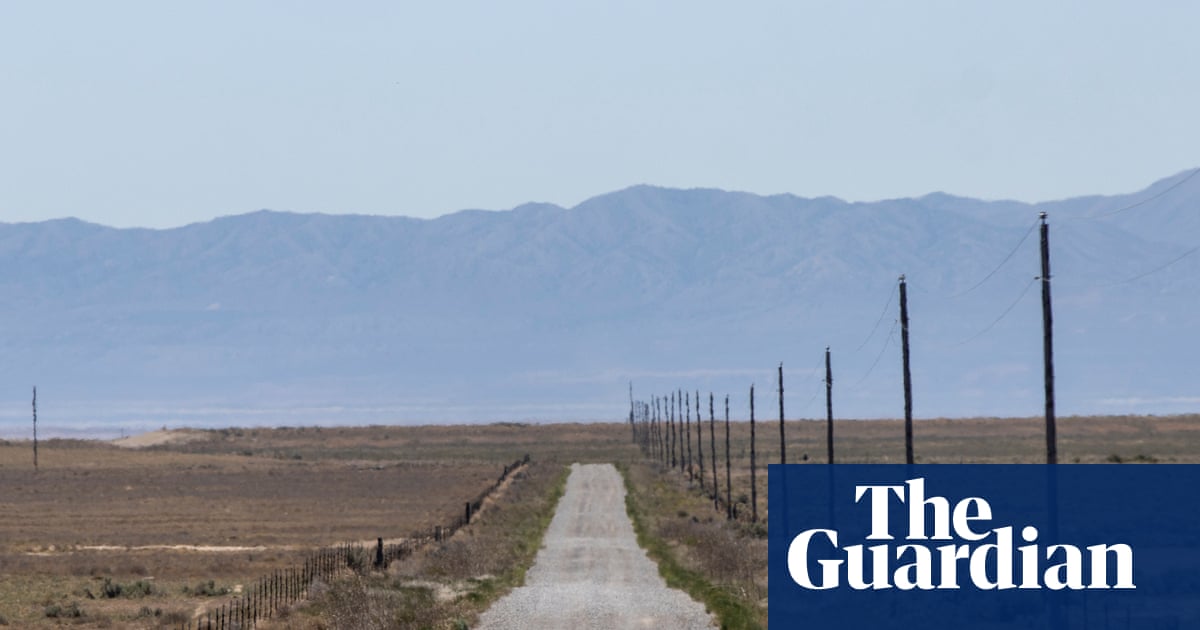
The lawsuit challenges both the Stratos datacenter plan and the state authority overseeing it, arguing the project would give permanent control over major local decisions without voter recourse. The dispute now sits alongside promises of a smaller footprint, water commitments, and an environmental review.
A huge computer-building project in Utah is being fought over in court. People nearby say it was approved in a way that leaves them out, like building a giant playground without asking the neighborhood.
Analysis
The legal challenge
Alliance for a Better Utah and five unnamed Box Elder County residents are suing over the planned Stratos AI datacenter in Utah. Their central claim is that the state’s military installation development authority, which is overseeing the proposal, is unconstitutional because it lets the project move forward without enough public input or voter recourse.
What the project is facing
The original concept called for a 40,000-acre campus in Hansel Valley, but Kevin O’Leary said he would need to scale it back. Utah Senate President Stuart Adams later said O’Leary had agreed to reduce the size of the project, commit water to the Great Salt Lake, and set aside thousands of acres for open space, wildlife protections, and continued agricultural use. Adams also said the project is still in its earliest stages and will go through permitting and environmental review.
The broader fight
O’Leary says critics are spreading coordinated misinformation and argues that claims about draining the Great Salt Lake, overwhelming Utah’s power supply, or causing major environmental harm do not match what is being built. He says the project would bring construction jobs, high-paying tech jobs, and billions of dollars of investment. He also said he had passed evidence to federal authorities about possible links between opposition groups and Chinese-backed interests.
At the same time, four congressional Republicans, including Brett Guthrie, have asked the FBI for information about foreign influence campaigns aimed at slowing American AI progress. The story has become more than a local land-use dispute: it is now part of a larger political argument over AI infrastructure, national competitiveness, and who gets a say in projects of this scale.
Key points
- A Utah nonprofit and five residents sued over the planned Stratos AI datacenter.
- The plaintiffs say the state authority overseeing the project denies meaningful public input and voter recourse.
- Kevin O’Leary has agreed to shrink the project after earlier proposals called for a 40,000-acre campus.
- State leaders say the project will undergo permitting and environmental review and may include water and land protections.
- O’Leary says critics are spreading misinformation and claims the project would create jobs and major investment.
If the redesign holds, the project could shrink to a less disruptive footprint while still bringing investment and jobs. The promised water commitment, open space, wildlife protections, and environmental review could address some of the strongest local concerns.
If the lawsuit succeeds, the project could face major delays or a ruling that weakens the approval process behind it. Even if it moves forward, continued backlash over water, land use, and public accountability could keep the project politically and legally unstable.