Summer Holidays: Weekend Traffic Causes Congestion in Northern Germany
Summer holidays have led to traffic congestion on highways in northern Germany, particularly in Schleswig-Holstein and Hamburg. The ADAC reports delays on several routes, with some stretches experiencing up to 19 kilometers of traffic.
Intelligence analysis by Llama
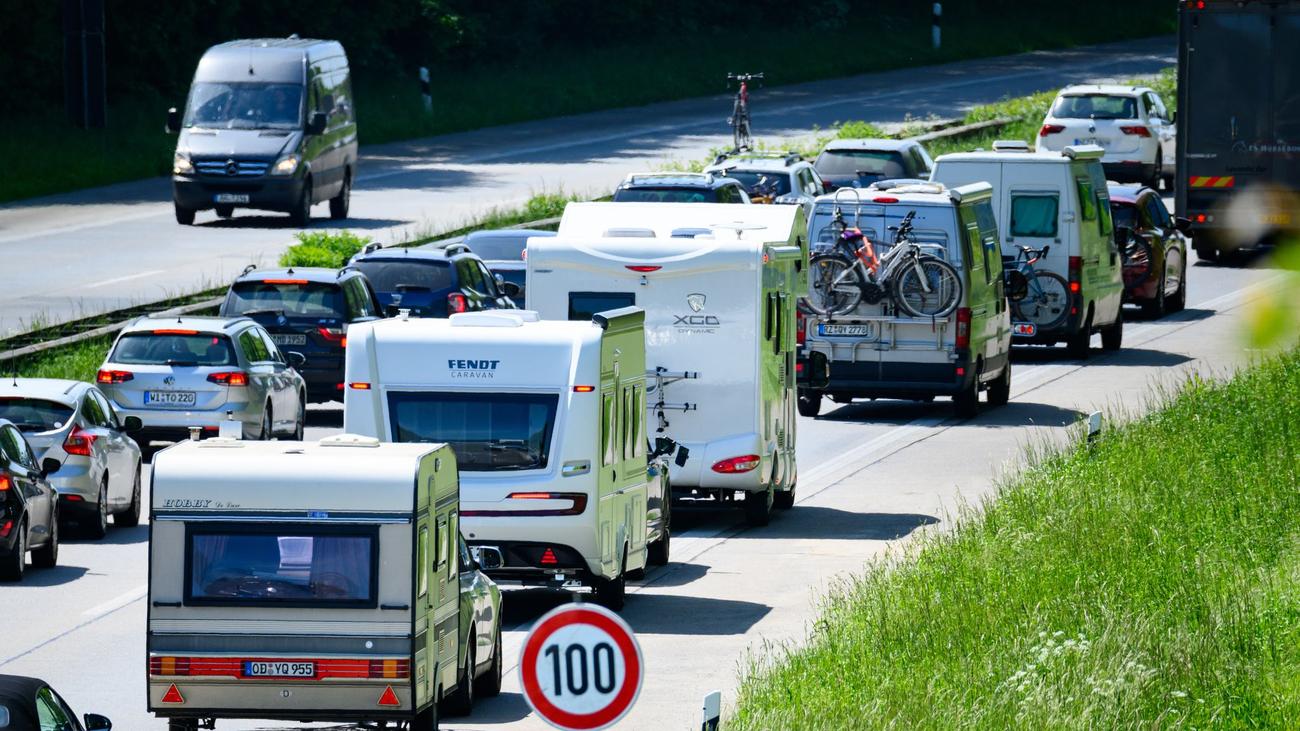
Summer holidays have caused traffic congestion on highways in northern Germany, with delays reported on several routes. The ADAC has warned of potential delays on the A1, A7, and A20, particularly in Schleswig-Holstein and Mecklenburg-Vorpommern.
Imagine you're on a road trip to a popular destination like Hamburg or Rostock. You're excited to see the sights, but when you get to the highway, you're stuck in traffic. This is what's happening to many travelers in northern Germany during the summer holidays. The roads are congested, and it's taking a long time to get to your destination. It's frustrating, but the authorities are working to fix the problem.
Analysis
A Summer of Congestion: Understanding the Traffic Woes in Northern Germany
The summer holidays have brought a surge in traffic to northern Germany, with many travelers heading to popular destinations like Hamburg and Rostock. However, this increased traffic has led to significant congestion on several highways, particularly in Schleswig-Holstein and Mecklenburg-Vorpommern.
According to the ADAC, the traffic congestion is most pronounced on the A1, A7, and A20, with some stretches experiencing up to 19 kilometers of traffic. The ADAC has warned of potential delays on these routes, particularly in Schleswig-Holstein and Mecklenburg-Vorpommern.
The reasons for the traffic congestion are multifaceted. Firstly, the summer holidays have brought a large number of travelers to northern Germany, putting a strain on the region's infrastructure. Secondly, the region's roads are not equipped to handle the volume of traffic, leading to congestion and delays.
The impact of the traffic congestion is significant. Travelers are facing long delays, with some stretches of road experiencing up to 40 minutes of congestion. This is not only frustrating for travelers but also has economic implications, as delayed travelers may choose to cancel their trips or take alternative routes.
To mitigate the traffic congestion, the authorities have implemented several measures. These include increasing the number of traffic police on the roads, implementing traffic management systems, and providing real-time traffic updates to travelers.
In conclusion, the traffic congestion during summer holidays is a significant concern for travelers in northern Germany. The authorities must take proactive measures to mitigate the congestion and ensure that travelers can reach their destinations safely and efficiently.
Key points
- Summer holidays have caused traffic congestion on highways in northern Germany.
- The ADAC has reported delays on several routes, with some stretches experiencing up to 19 kilometers of traffic.
- The authorities have implemented several measures to mitigate the traffic congestion, including increasing the number of traffic police on the roads and implementing traffic management systems.
- Travelers are facing long delays, with some stretches of road experiencing up to 40 minutes of congestion.
- The traffic congestion during summer holidays is a significant concern for travelers in northern Germany.
If the authorities can implement effective traffic management systems and increase the number of traffic police on the roads, the traffic congestion during summer holidays could be significantly reduced. This would make traveling in northern Germany safer and more efficient for travelers.
If the traffic congestion during summer holidays continues to worsen, it could have significant economic implications for the region. Travelers may choose to cancel their trips or take alternative routes, which could lead to a loss of revenue for local businesses.