Super-rich complain but experts welcome Mamdani’s pied-à-terre tax
New York introduces a pied-à-terre tax to address inequality and housing crisis, despite criticism from some.
Intelligence analysis by Qwen 2.5 (3B)
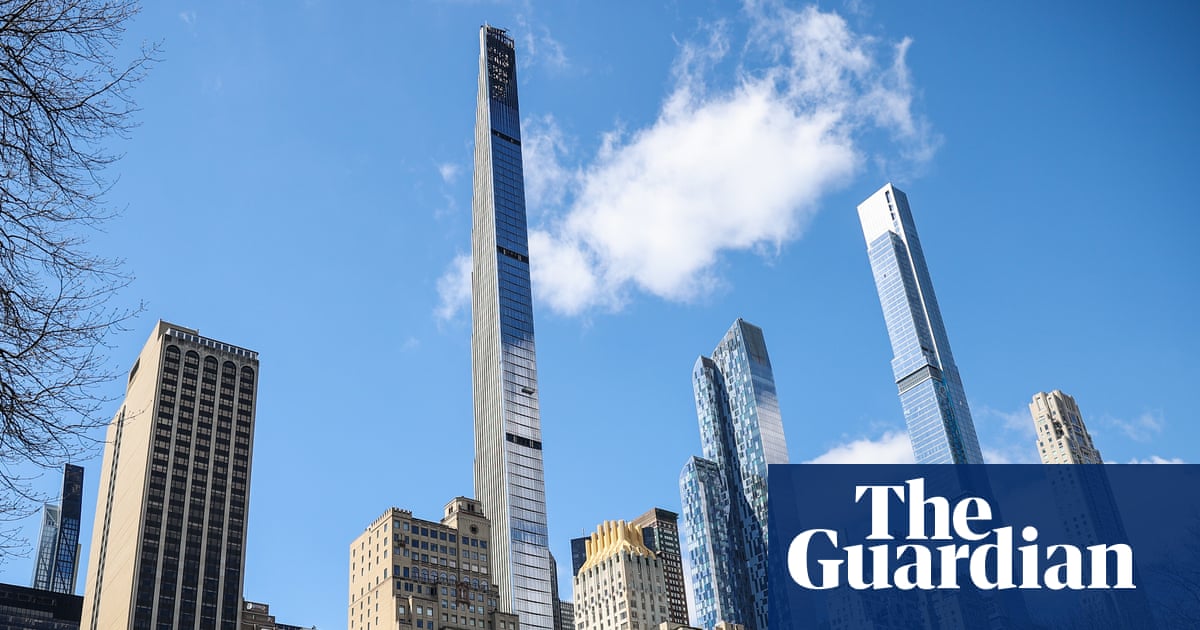
New York's new pied-à-terre tax aims to generate revenue and tackle housing issues in the city, though it faces opposition from critics who see it as targeting the rich.
The mayor of New York City wants to make rich people pay a little extra tax on their houses. Some people think this is mean, but others say it will help build more homes for regular folks.
Analysis
{"#tax-effectiveness":"How does the pied-à-terre tax compare to other revenue-generating measures in New York City?","#privacy-and-citizenship":"What are the privacy concerns associated with sending out tax liability letters and how can they be addressed?","#economic-impact-on-rich":"How might the pied-à-terre tax impact wealthy individuals who own multiple properties in New York?"}
Key points
- New York introduces a pied-à-terre tax on ultra-rich property owners
- The tax aims to generate $500 million annually and address housing issues
- Some critics see it as targeting the rich, while others support it
The pied-à-terre tax could lead to more affordable housing as the city tries to balance revenue and fairness.
Critics worry that the tax might cause rich people to sell their properties, which could hurt the real estate market in New York.