Supreme Court acquits murder convict who served 22 years in jail
The Supreme Court has acquitted a murder convict who spent 22 years in prison, citing shaky eyewitness testimony. The court also directed the District Legal Services Authority to attempt rehabilitation or resettlement of the appellant.
Intelligence analysis by Llama
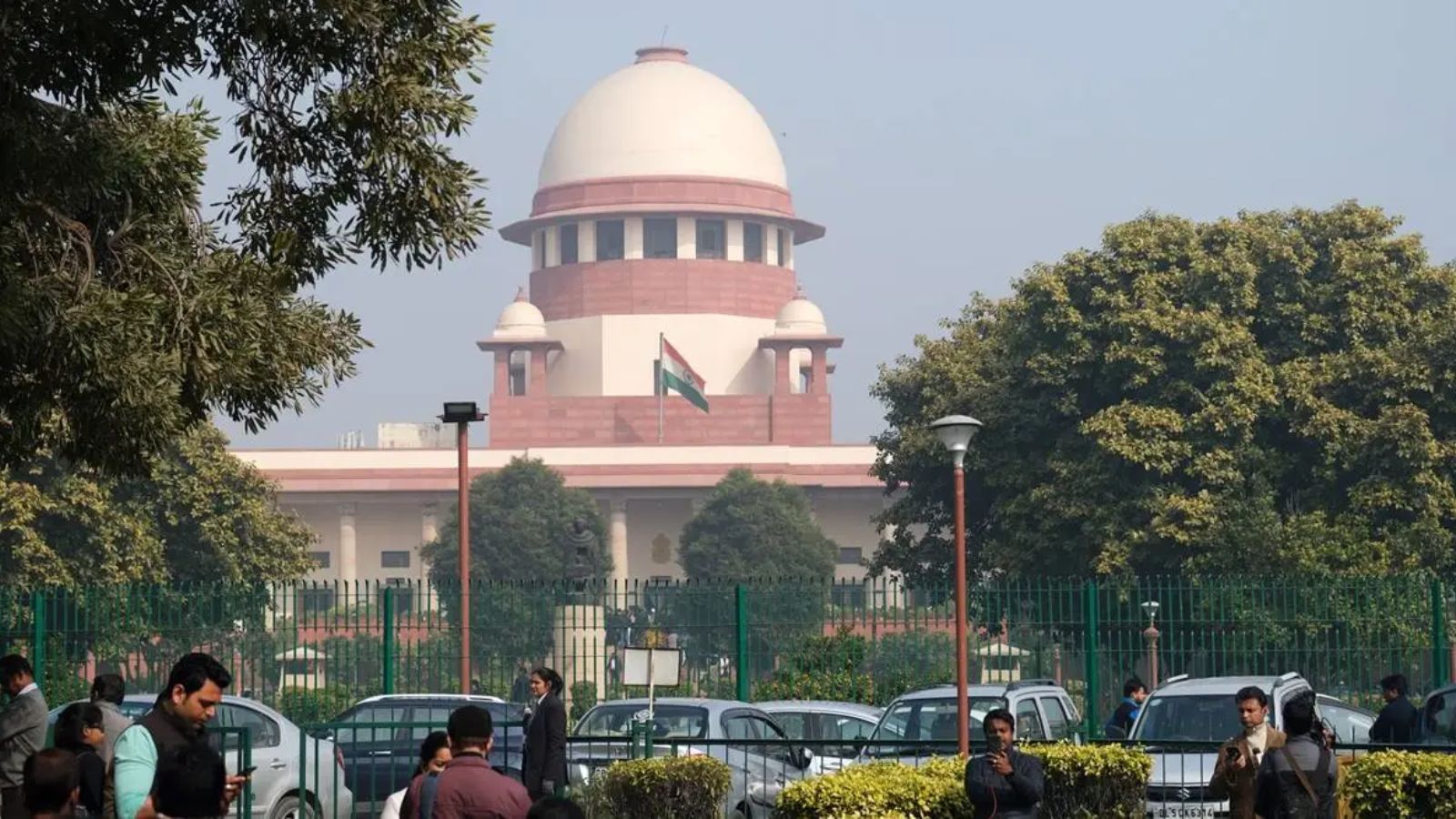
The Supreme Court has acquitted a murder convict who spent 22 years in prison, citing shaky eyewitness testimony. The court also directed the District Legal Services Authority to attempt rehabilitation or resettlement of the appellant.
The Supreme Court acquitted a man who spent 22 years in prison for a crime he might not have committed. The court said the evidence against him was shaky and unreliable. Now, the court is trying to help the man get back on his feet.
Analysis
A 22-Year Ordeal Ends in Acquittal
The Supreme Court's decision to acquit a murder convict who spent 22 years in prison is a significant development in the Indian justice system. The court's ruling highlights the importance of reliable evidence in criminal trials and the need for rehabilitation of wrongly convicted individuals.
The case in question involved a man named Arjun Jani alias Tuntun, who was accused of bludgeoning to death three women. However, he was convicted of murdering only one of them. The eyewitness testimony that led to his conviction was deemed shaky and highly improbable by the Supreme Court.
The court's decision is a testament to the importance of ensuring that the accused receives a fair trial. The acquittal also raises questions about the reliability of eyewitness testimony and the need for more robust evidence in criminal trials.
The Need for Rehabilitation
The Supreme Court's decision also highlights the need for rehabilitation of wrongly convicted individuals. The court directed the District Legal Services Authority to attempt rehabilitation or resettlement of the appellant with the assistance of the District Administration.
This decision is significant because it recognizes the importance of rehabilitation in the Indian justice system. It also highlights the need for a more nuanced approach to dealing with wrongly convicted individuals.
The Road Ahead
The Supreme Court's decision has significant implications for the Indian justice system. It highlights the importance of reliable evidence in criminal trials and the need for rehabilitation of wrongly convicted individuals. The decision also raises questions about the reliability of eyewitness testimony and the need for more robust evidence in criminal trials.
As the Indian justice system continues to evolve, it is essential to learn from cases like this and ensure that the accused receives a fair trial. The rehabilitation of wrongly convicted individuals is also crucial in maintaining public trust in the justice system.
Key points
- The Supreme Court acquitted a murder convict who spent 22 years in prison.
- The court cited shaky eyewitness testimony as the reason for the acquittal.
- The court directed the District Legal Services Authority to attempt rehabilitation or resettlement of the appellant.
- The decision highlights the importance of reliable evidence in criminal trials.
- The acquittal also raises questions about the reliability of eyewitness testimony.
The acquittal of the murder convict is a positive development in the Indian justice system. It highlights the importance of reliable evidence in criminal trials and the need for rehabilitation of wrongly convicted individuals. The decision also raises questions about the reliability of eyewitness testimony and the need for more robust evidence in criminal trials.
The acquittal of the murder convict also raises concerns about the reliability of eyewitness testimony and the need for more robust evidence in criminal trials. If the eyewitness testimony had been more reliable, the man might not have spent 22 years in prison.