Switzerland to vote on plan to cap population at 10 million
Swiss voters will decide whether to cap population at 10 million, a proposal dividing the country over immigration, housing and EU ties.
Intelligence analysis by GPT-5.4 Mini
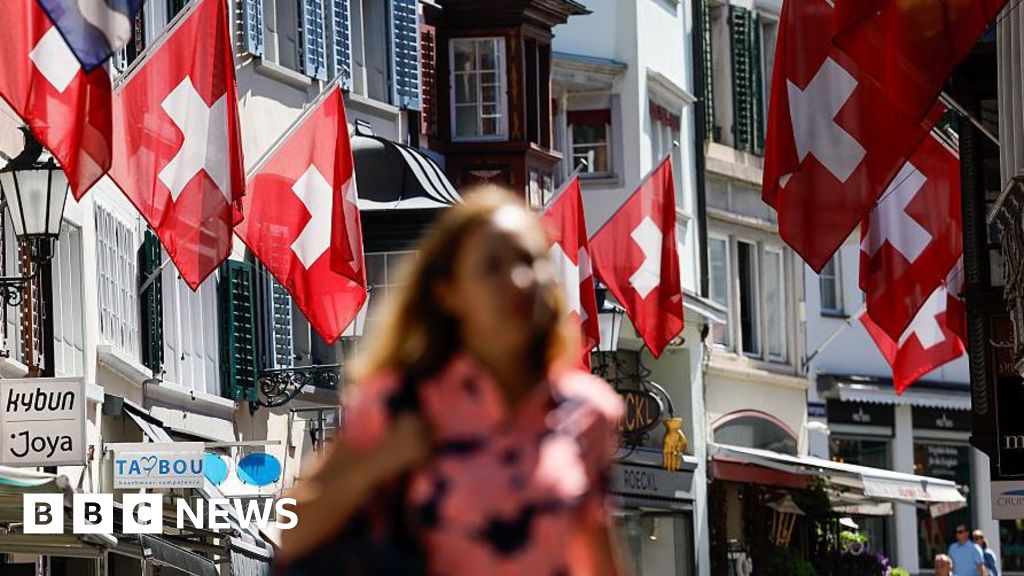
The referendum pits the right-wing Swiss People’s Party against the government, business groups and unions over immigration. Supporters call it a sustainability fix; opponents warn of labor shortages, EU fallout and deeper division.
Switzerland is voting on whether to put a lid on how many people can live there, like setting a max number of kids for a busy classroom. Some think it will ease crowding and costs, while others think it will cause bigger problems.
Analysis
What is being voted on
Swiss voters will decide whether the country should cap its population at 10 million before 2050. The proposal would require the government to act once the population reaches 9.5 million, with possible steps including tighter asylum limits and ending family reunification rights for foreign workers.
Why it is divisive
Supporters in the Swiss People’s Party say rapid growth is putting pressure on housing, schools, transport and public services. They argue Switzerland needs to regain control of immigration and reduce strain on the country’s infrastructure and environment.
Opponents say the plan misdiagnoses the problem and would damage the economy and public services. Government officials, other parties, business leaders and trade unions warn that hospitals, care homes and hotels depend heavily on migrant labour. The article says half of hotel workers are immigrants.
The EU factor
The most serious foreign-policy risk is Switzerland’s relationship with the European Union. If the population cap were reached, the proposal says international agreements could be terminated, including the EU free-movement arrangement. Business leaders say that would create uncertainty with Switzerland’s biggest trading partner and make relations with Brussels harder to manage.
A close contest
The vote comes in a country with strong direct-democracy rules, where campaigners can force a nationwide ballot by collecting 100,000 signatures. Polling suggests the result is tight: one recent snapshot put opponents ahead by a narrow margin, though many voters remained undecided. That makes the final outcome hard to predict, but the debate already shows how sharply Switzerland is split over migration, costs and national identity.
Key points
- Voters will decide whether Switzerland should cap its population at 10 million before 2050.
- Supporters say the plan would reduce pressure on housing, public services and the environment.
- Opponents warn it would create staff shortages and damage ties with the European Union.
- The proposed cap could affect asylum, family reunification and free movement agreements.
- Polls suggest a very close result, with many voters still undecided.
If the proposal passes and works as supporters hope, it could slow population growth and ease pressure on housing, schools, transport and public services. Backers also believe it would give the government a stronger hand in managing immigration.
If the proposal passes, hospitals, hotels and care homes could struggle to find enough workers, since the article says they rely heavily on immigrants. It could also force Switzerland toward conflict with the EU and threaten relations with its biggest trading partner.