Talks with US stalled due to Washington's contradictory stance
Iran says indirect talks with the US are stalled because Washington keeps shifting positions and changing terms.
Intelligence analysis by GPT-5.4 Mini

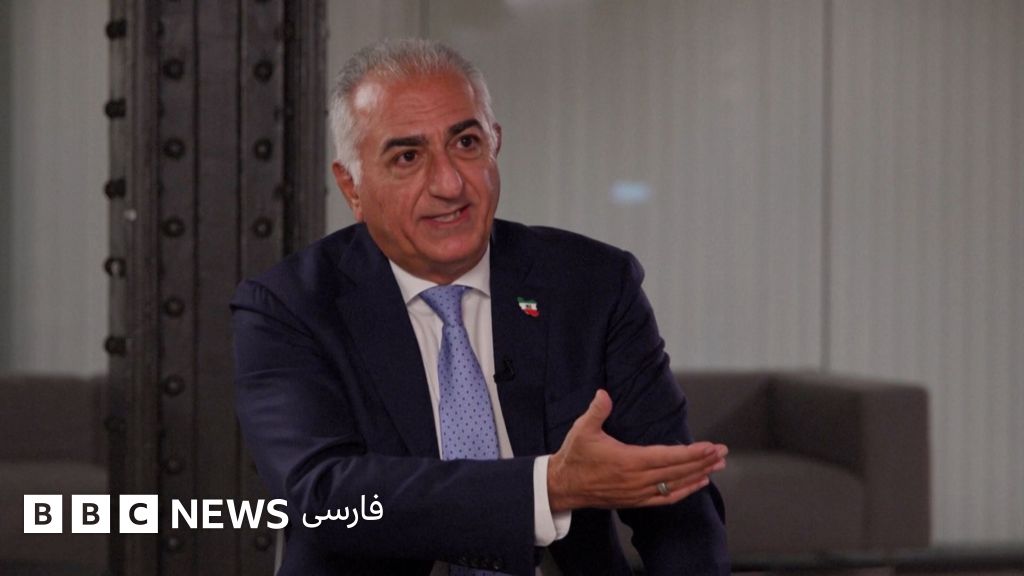
Iranian foreign ministry spokesman Esmaeil Baghaei said negotiations with Washington remain stuck because of contradictory US statements and changing demands. He said talks continue indirectly through Pakistani intermediaries, while key disputes over sanctions, frozen assets, and Iran's nuclear rights remain unresolved.
Iran says talks with the US are like trying to play a game where the rules keep changing. The two sides still send messages through Pakistan, but they disagree about money, sanctions, and nuclear rights.
Analysis
What Tehran says
Iranian foreign ministry spokesman Esmaeil Baghaei told CNN that talks with the United States remain stalled because Washington keeps changing its position. He said the process is slowed by “different statements” and “contradictory remarks” from US officials, which in Tehran's view keeps moving the target.
Main sticking points
Baghaei said several issues still block a memorandum of understanding. He repeated Iran's demand that the United States recognize Iran's rights, including peaceful nuclear enrichment under the non-proliferation framework. He also said Iran wants the unconditional release of billions of dollars in frozen assets held in foreign banks and rejected the idea that returning those funds would be a concession.
The article says messages are still being exchanged between Tehran and Washington through Pakistani intermediaries, so the diplomatic channel has not fully closed. It also says Pakistan's interior minister met Iran's foreign minister in Tehran and delivered a message from Pakistan's prime minister to the Iranian leader.
Assets, sanctions, and security
The report says CNN and Reuters reported that the US is considering using frozen Iranian assets for potential rebuilding costs tied to future attacks on Persian Gulf countries, and possibly for repairs from past damage. Baghaei responded that the US should simply end sanctions and release the money.
He also accused the US of violating the ceasefire by attacking Iranian commercial vessels in the Strait of Hormuz and on the high seas. Baghaei described the regional situation as “very volatile and very dangerous,” and warned that Iran's armed forces are ready to answer any attack with force.
The overall picture is a tense mix of diplomacy and deterrence: indirect contacts continue, but the gap on sanctions, assets, and security remains wide.
Key points
- Iran says talks with the US are stalled because Washington keeps changing its position.
- Baghaei said indirect messages are still being exchanged through Pakistani intermediaries.
- Tehran wants recognition of its right to peaceful nuclear enrichment and the release of frozen assets.
- The article says the US is considering plans involving Iranian assets, which Tehran rejects.
- Baghaei accused the US of violating the ceasefire through attacks on Iranian commercial vessels.
Indirect messages are still moving between Tehran and Washington, which means a diplomatic channel remains open. If the sides settle on clear terms, the article suggests a memorandum of understanding could still be reached.
Baghaei says Washington keeps changing its position, which could keep the talks frozen for longer. The article also describes the region as volatile, with accusations of ship attacks and warnings of retaliation raising the risk of further escalation.