Taylor Farms lettuce sample was false positive for cyclospora, FDA says
The FDA announced that a lettuce sample from Taylor Farms, previously linked to a widespread cyclospora outbreak, was a false positive, retracting earlier findings.
Intelligence analysis by Gemini 2.5 Flash
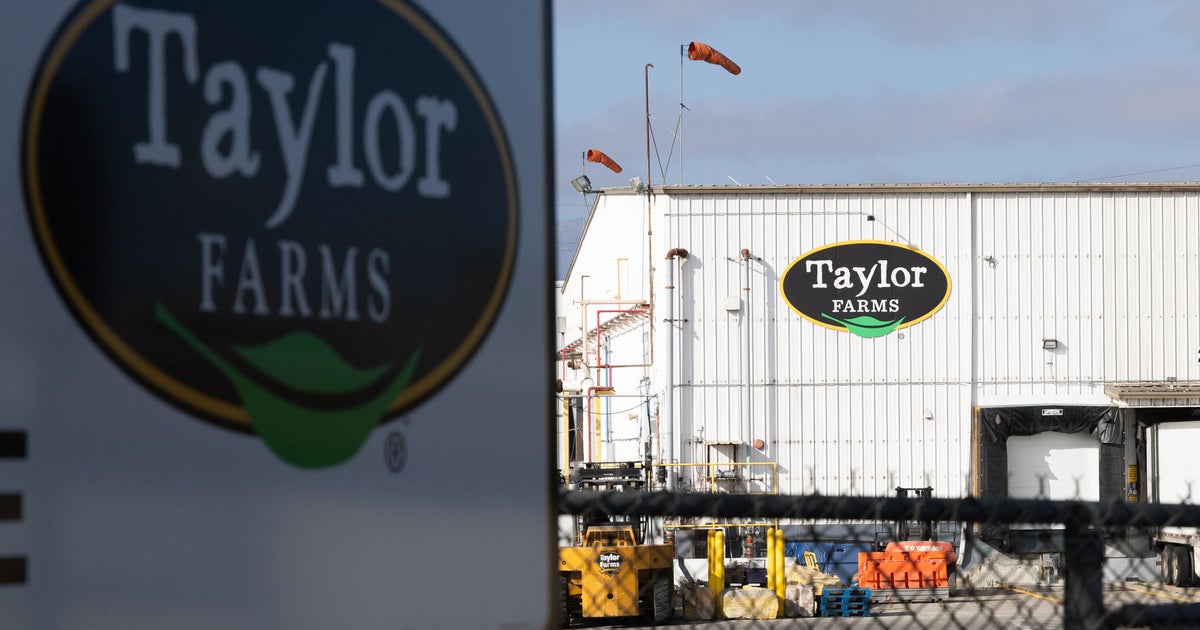
A sample of Taylor Farms iceberg lettuce, initially identified by the FDA as positive for the cyclospora parasite and prompting a voluntary recall, has been re-evaluated and declared a false positive. Despite this retraction, a significant cyclospora outbreak affecting thousands across multiple states continues, with investigations into other potential sources ongoing.
Imagine a big game of 'I Spy' for tiny germs in our food. Scientists thought they spotted a bad germ called cyclospora in some lettuce, which made many people sick. But after looking super closely, they realized it was a mistake, like seeing a shadow and thinking it's a monster. So, that specific lettuce wasn't the problem, but they're still looking for the real culprit making people feel unwell.
Analysis
Initial Outbreak and Traceback Efforts
The cyclospora outbreak, first reported in May, has become one of the largest in recent U.S. history, sickening over 1,600 people across 34 states, with some state health departments reporting even higher numbers. The U.S. Centers for Disease Control and Prevention (CDC) had identified lettuce supplied to select Taco Bell restaurants in Indiana, Kentucky, Michigan, Ohio, and West Virginia as a source of the multistate outbreak. This led to a swift response from Taco Bell, which removed affected Taylor Farms lettuce from its restaurants, and Walmart, which also pulled certain Marketside bagged iceberg lettuce products from stores in over two dozen states as a precautionary measure.
Taylor Farms, a major supplier, had voluntarily removed iceberg lettuce sourced from central Mexico after it was linked to the outbreak. The company stated that while the FDA's traceback indicated a specific independent farm, representing less than 1% of the U.S.'s iceberg lettuce supply, as a potential source, they had removed all iceberg lettuce from that region indefinitely. This proactive measure underscored the industry's commitment to food safety amidst a rapidly evolving public health crisis.
The False Positive Revelation
The Food and Drug Administration (FDA) subsequently announced that the initial positive test result for cyclospora in a Taylor Farms lettuce sample was, in fact, a false positive. FDA laboratory experts re-reviewed the sample results and concluded that the finding did not represent true amplification of the parasite. This retraction means that the specific Taylor Farms lettuce sample previously implicated is no longer considered a confirmed source of contamination. As of the FDA's Sunday statement, no other confirmed positive sample results for cyclospora product testing had been found.
This false positive highlights the inherent complexities and challenges in detecting cyclospora, a parasite known for causing severe gastrointestinal illness. While a relief for Taylor Farms and potentially for consumers who might have avoided their products, it also underscores the difficulty public health agencies face in accurately and quickly identifying the source of foodborne outbreaks. The incident could lead to a re-evaluation of testing methodologies and confirmation protocols for such pathogens.
Ongoing Challenges in Food Safety
Despite the false positive for the Taylor Farms sample, the broader cyclospora outbreak remains a significant public health concern. The CDC's tally of over 1,600 cases, though potentially an undercount compared to state reports, indicates a widespread issue. Cyclosporiasis, caused by the cyclospora parasite, typically manifests with long-lasting, watery diarrhea and other severe symptoms. Outbreaks are common in late spring and summer and have historically been linked to various fresh produce items, including bagged salads, cilantro, basil, and raspberries.
This incident serves as a reminder of the persistent challenges in ensuring food safety, particularly with fresh produce that is often consumed raw. The complexity of traceback investigations, the difficulty in detecting certain pathogens, and the potential for false positives or negatives all contribute to the intricate nature of managing foodborne illness outbreaks. Public health authorities continue to work with the food industry to enhance surveillance, improve testing accuracy, and implement preventative measures to protect consumers from future contamination events.
Key points
- The FDA declared a Taylor Farms lettuce sample, previously linked to a cyclospora outbreak, a false positive after re-review.
- Taylor Farms had voluntarily removed iceberg lettuce from central Mexico as a precautionary measure following initial reports.
- The broader cyclospora outbreak has sickened over 1,600 people across 34 states, with some state health departments reporting higher numbers.
- Taco Bell and Walmart had also removed affected or potentially affected lettuce products from their restaurants and stores.
- The incident highlights the complexity of detecting cyclospora and the challenges in foodborne illness investigations.
The retraction of the false positive provides a measure of relief for Taylor Farms, potentially mitigating reputational damage and financial losses associated with the initial recall. For consumers, it means that one specific source of concern has been cleared, allowing investigators to focus more precisely on the actual origins of the ongoing cyclospora outbreak.
Despite the false positive, the cyclospora outbreak continues to sicken thousands, indicating that the true source remains elusive and poses an ongoing public health risk. The complexity of cyclospora detection, as highlighted by this incident, suggests that identifying and containing future outbreaks will remain challenging, potentially leading to prolonged investigations and continued consumer uncertainty.