TCCIMA Proposes Private Sector Role in Hormuz Governance Model
The Tehran Chamber of Commerce, Industries, Mines, and Agriculture (TCCIMA) proposed the private sector's role in the governance model for the Strait of Hormuz. The proposal aims to strengthen economic governance and increase the private sector's participation in policy-m…
Intelligence analysis by Llama
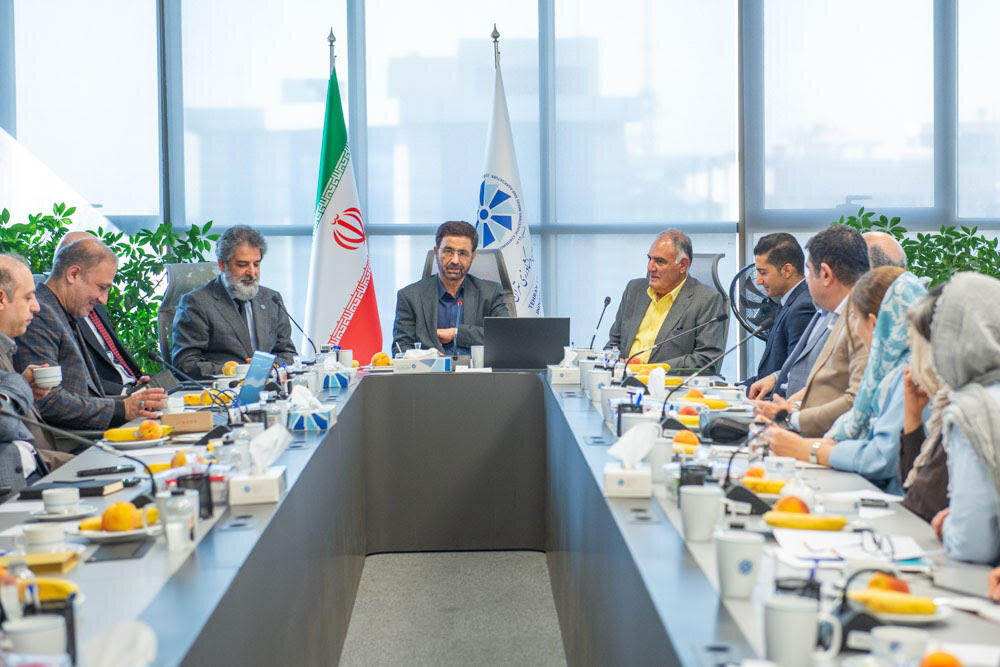
The TCCIMA proposed the private sector's role in the governance model for the Strait of Hormuz to strengthen economic governance and increase participation in policy-making. The proposal aims to utilize the private sector's capacity in policy-making and improve the quality of decisions.
Imagine the Strait of Hormuz as a busy highway. The government is like the traffic police, and the private sector is like the drivers. The proposal suggests that the private sector should have a bigger role in helping the government make decisions about the highway. This will make the highway safer and more efficient for everyone.
Analysis
A $60B Vote of Confidence
The Tehran Chamber of Commerce, Industries, Mines, and Agriculture (TCCIMA) has proposed the private sector's role in the governance model for the Strait of Hormuz. This proposal aims to strengthen economic governance and increase the private sector's participation in policy-making. The proposal is significant because it highlights the importance of private sector participation in policy-making and economic governance. It also emphasizes the need to utilize the private sector's capacity in decision-making to improve policy efficiency.
Why Cursor?
The proposal is a vote of confidence in the private sector's ability to participate in policy-making and economic governance. It also highlights the need for the government to clearly define the role of institutions in the economic governance model of the Strait of Hormuz. The government should be responsible for policy-making and regulation, while the private sector should play a role in investment, implementation, and innovation.
The Road Ahead
The proposal is a step towards strengthening economic governance and increasing the private sector's participation in policy-making. It also emphasizes the need to utilize the private sector's capacity in decision-making to improve policy efficiency. The government should consider the proposal and work towards implementing it to improve the economic governance of the Strait of Hormuz.
Key points
- The TCCIMA proposed the private sector's role in the governance model for the Strait of Hormuz.
- The proposal aims to strengthen economic governance and increase the private sector's participation in policy-making.
- The government should be responsible for policy-making and regulation, while the private sector should play a role in investment, implementation, and innovation.
If the proposal is implemented, it could lead to increased investment and innovation in the region, resulting in improved economic governance and a more efficient use of the Strait of Hormuz's capacities.
If the proposal is not implemented, it could lead to a lack of investment and innovation in the region, resulting in decreased economic governance and a less efficient use of the Strait of Hormuz's capacities.