Tech industry wins big in California primary election with millions spent paying off
Silicon Valley-backed spending helped shape California’s primary, with several favored candidates advancing despite a costly loss in the governor’s race.
Intelligence analysis by GPT-5.4 Mini
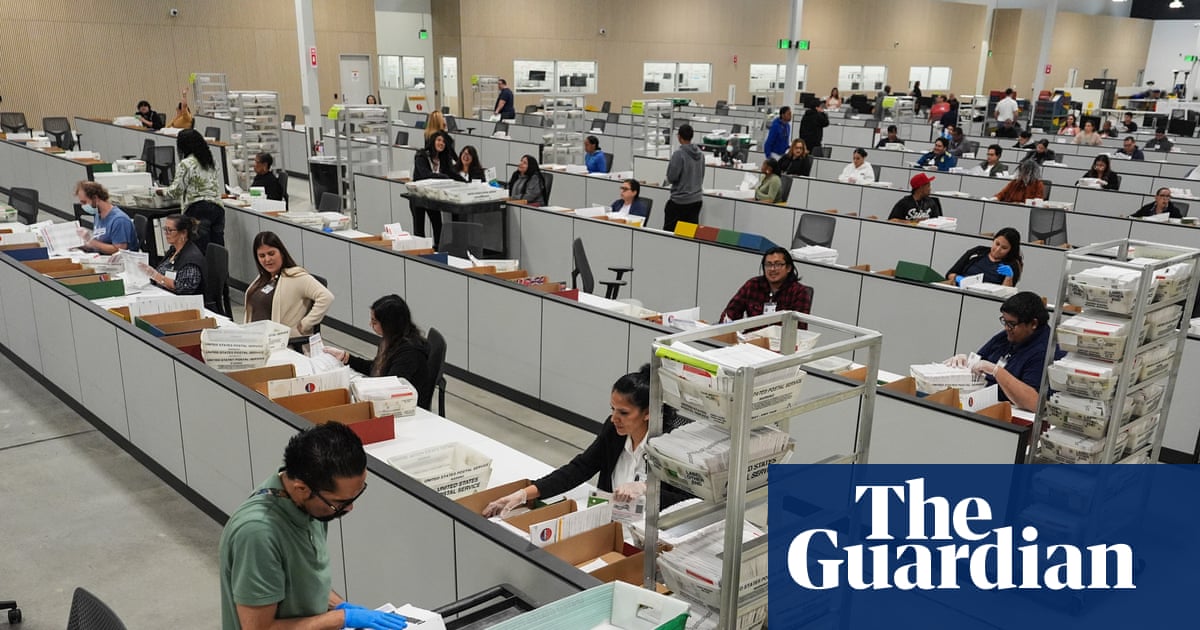
Tech companies, billionaires and industry-backed super PACs spent tens of millions to influence California races, aiming to secure political leverage on taxes, regulation and AI. Their preferred candidates won several smaller contests even as the marquee governor pick fell short.
Big tech companies spent a lot of money to help certain candidates win in California. Some of their picks lost, but many others moved forward, so the companies still got some of what they wanted, like a bigger say in future rules.
Analysis
What happened
Silicon Valley poured money into California’s primary, with the Guardian reporting unprecedented spending from Google, Meta and a range of executives and venture capitalists. The industry’s preferred candidate for governor, San Jose mayor Matt Mahan, ran a distant sixth after attracting about $50m in donations and conceding with early results showing just 4% of the vote.
Where the tech money worked
The larger strategy was not limited to the governor’s race. Scott Wiener, described as tech’s choice to replace Nancy Pelosi in the Senate race, won the most votes and moved on toward November. Ben Allen, another industry-backed candidate, also appeared likely to advance in the insurance commissioner contest.
Two super PACs were especially active in local races. Grow California, backed by crypto figures Chris Larsen and Tim Draper, reported $20m in funding and spent heavily in six races while also opposing five candidates. California Leads, funded with $10m from Google and Meta, supported eight assembly and state senate candidates. The article says both groups are focused on shaping the state legislature, with one describing its goal as rebuilding the state capital and the other saying that who serves in the legislature matters.
A notable beneficiary was Mark Pulido, a Democrat in Orange County who received about $2.25m from the two PACs and advanced to a runoff against a Republican in November. With one exception, the races backed by Grow California and California Leads appear to be moving on to the November ballot.
What comes next
The Guardian says the spending war may only be starting. A Berkeley public policy professor told the paper that by September, campaign spending could set records, especially as the fight over a proposed one-time 5% wealth tax on billionaires reaches the November ballot.
Key points
- Silicon Valley spent tens of millions to influence California’s primary election.
- Matt Mahan, the tech industry’s governor pick, came in sixth despite roughly $50m in donations.
- Scott Wiener won the most votes in the race tied to Nancy Pelosi’s Senate seat and advanced toward November.
- Grow California and California Leads backed multiple legislative candidates and largely saw them advance.
- The article says the spending push is likely to intensify ahead of the November ballot, including the proposed wealth tax on billionaires.
If the tech-backed candidates that advanced in California win in November, the industry could gain more influence over how the state handles taxes, regulation and AI policy. That could make it easier for companies to plan and operate under rules they see as more favorable.
The article suggests the spending arms race may keep escalating, which could make California politics even more expensive and dominated by big donors. It also shows that millions of dollars do not guarantee victory, so tech groups could keep losing money in high-profile races while still facing the wealth tax fight on the November ballot.